Why Your Well Water Turns Brown After Heavy Rain (And What to Do About It)
If your well water turns brown, rusty, or murky after heavy rain, something has changed in the system — and it’s rarely random. Rain affects groundwater levels, soil stability, and well integrity, all of which can allow sediment or surface water to enter the well.
Sometimes the issue is temporary disturbance. Other times, it signals a serious vulnerability that puts water safety at risk.
This guide explains:
- Why rainfall affects well water
- The difference between disturbance and contamination
- How to diagnose the cause safely
- The correct fixes — and what not to ignore
Why Heavy Rain Changes Well Water
During heavy rain:
- The water table rises rapidly
- Soil around the well becomes saturated
- Surface runoff increases pressure on the casing
These forces can stir sediment at the bottom of the well or allow contaminated surface water to bypass natural filtration.
Two Very Different Causes (Do Not Confuse These)
1. Temporary Sediment Disturbance
This occurs when rising groundwater stirs fine material already inside the well.
Characteristics:
- Water turns cloudy or light brown
- Clears within 24–72 hours
- No odor or taste change
This is common in shallow or older wells and is not immediately dangerous — but it does indicate vulnerability.
2. Surface Water Contamination
This is more serious.
Characteristics:
- Dark brown or muddy water
- Persistent discoloration
- Possible odor or taste changes
This indicates surface water is entering the well, bringing bacteria, organic material, and chemicals with it.
Immediate Safety Steps (Do This First)
If water turns brown after rain:
- Do not drink the water
- Do not cook with it
- Use bottled water until clarity and safety are confirmed
Step-by-Step Diagnosis
Step 1: Observe Duration
If discoloration clears within a day or two, disturbance is likely.
If it persists, contamination is possible.
Step 2: Inspect the Wellhead
Check for:
- Cracked or missing well cap
- Improperly sealed casing
- Standing water around the well
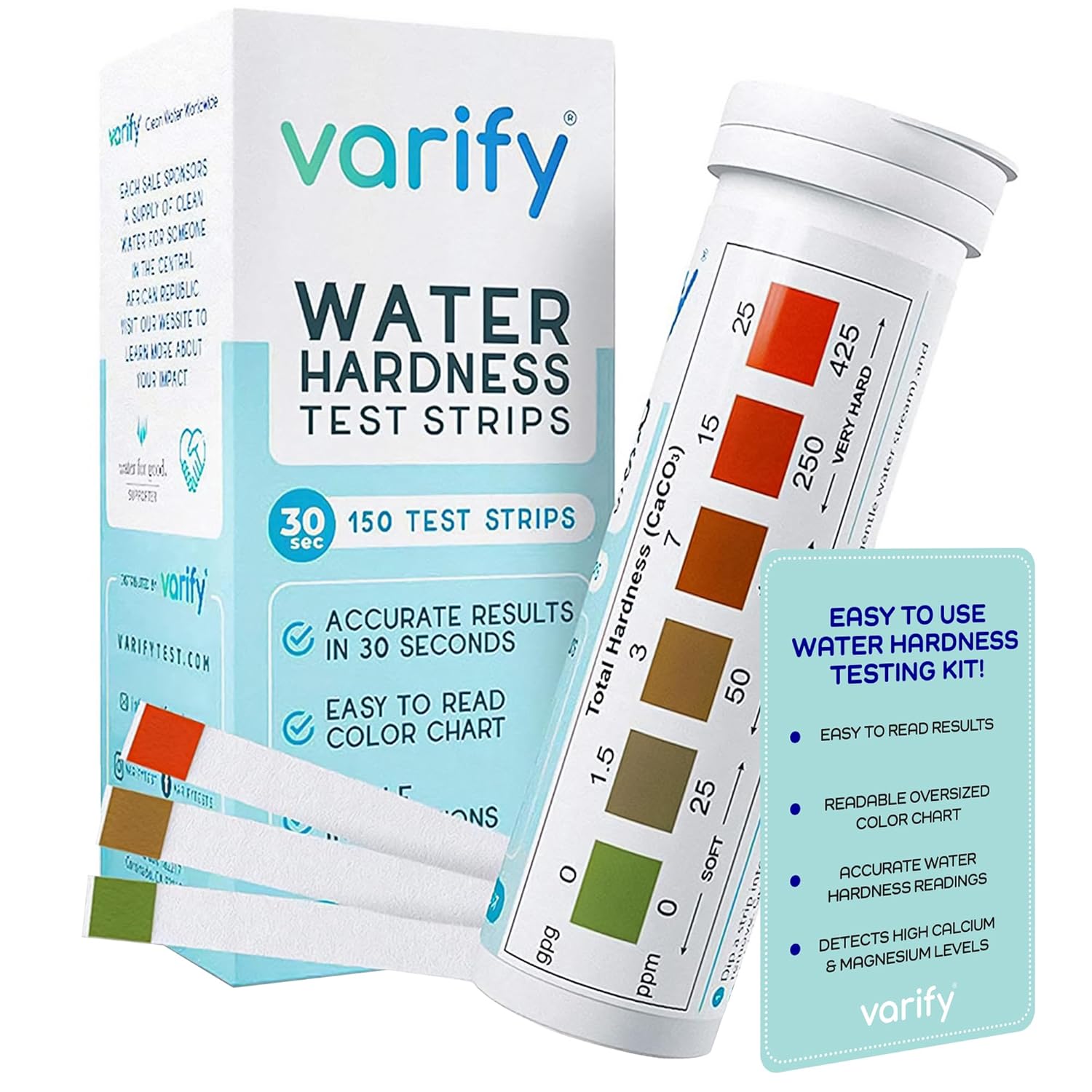
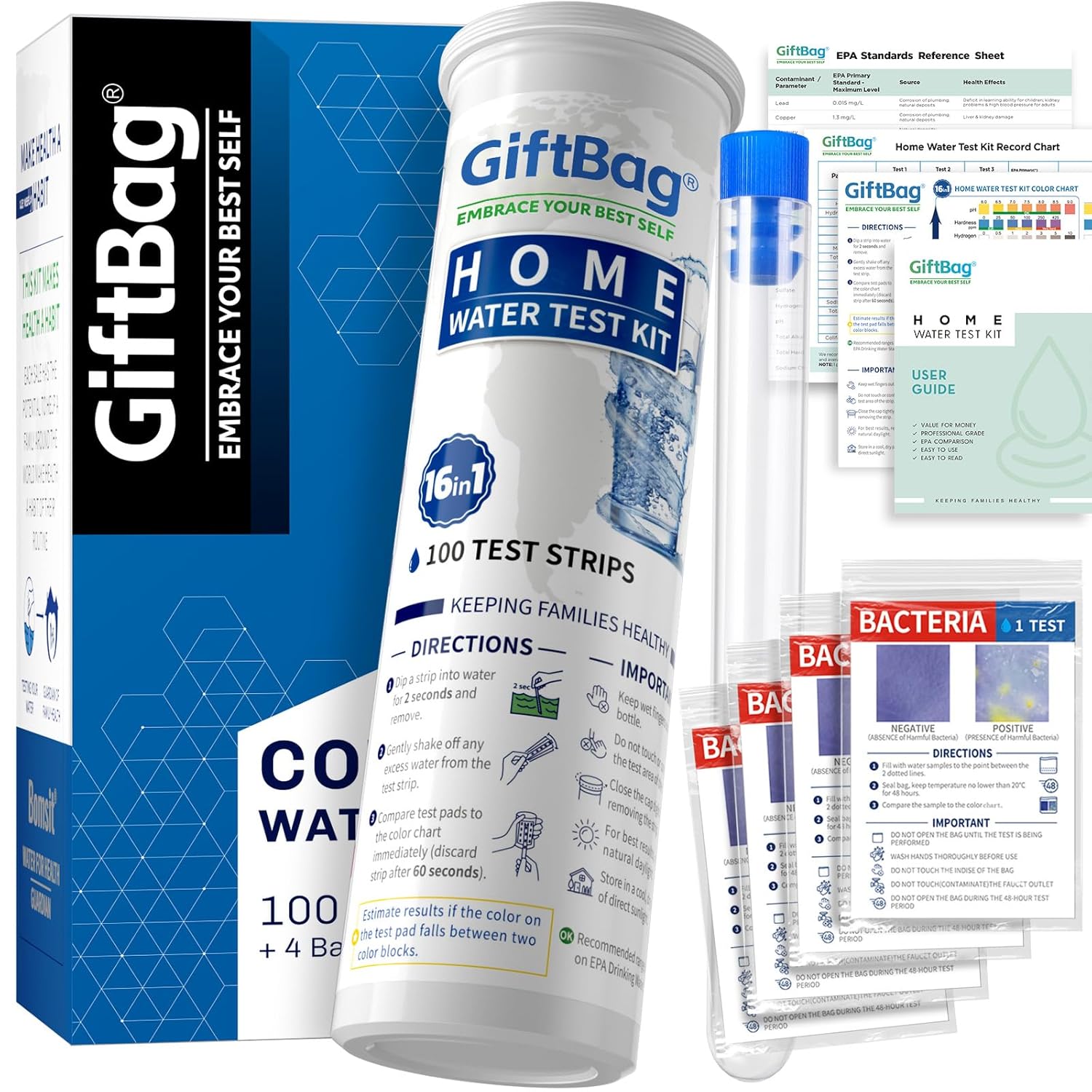
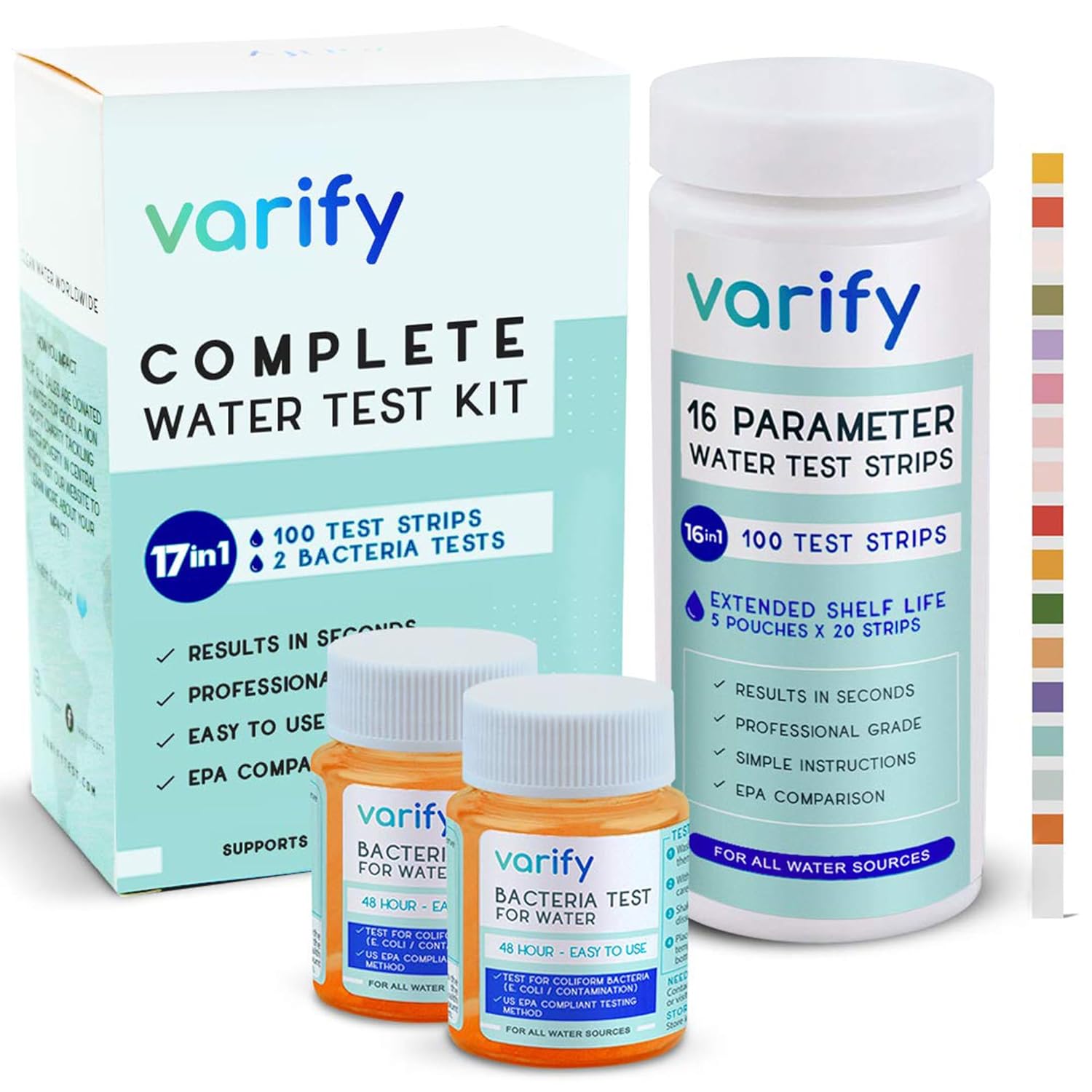
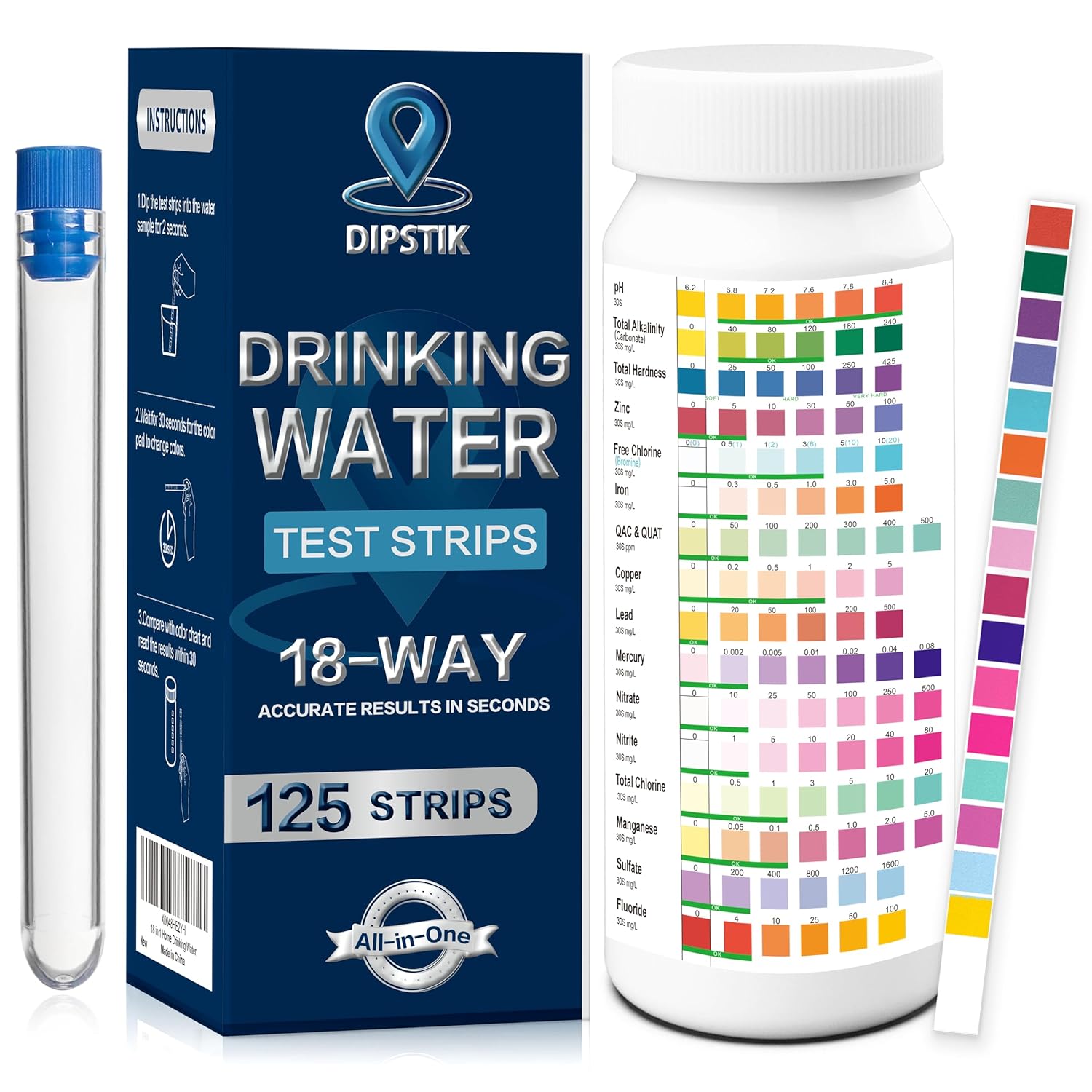
Step 3: Test the Water
Testing is essential whenever contamination is suspected.
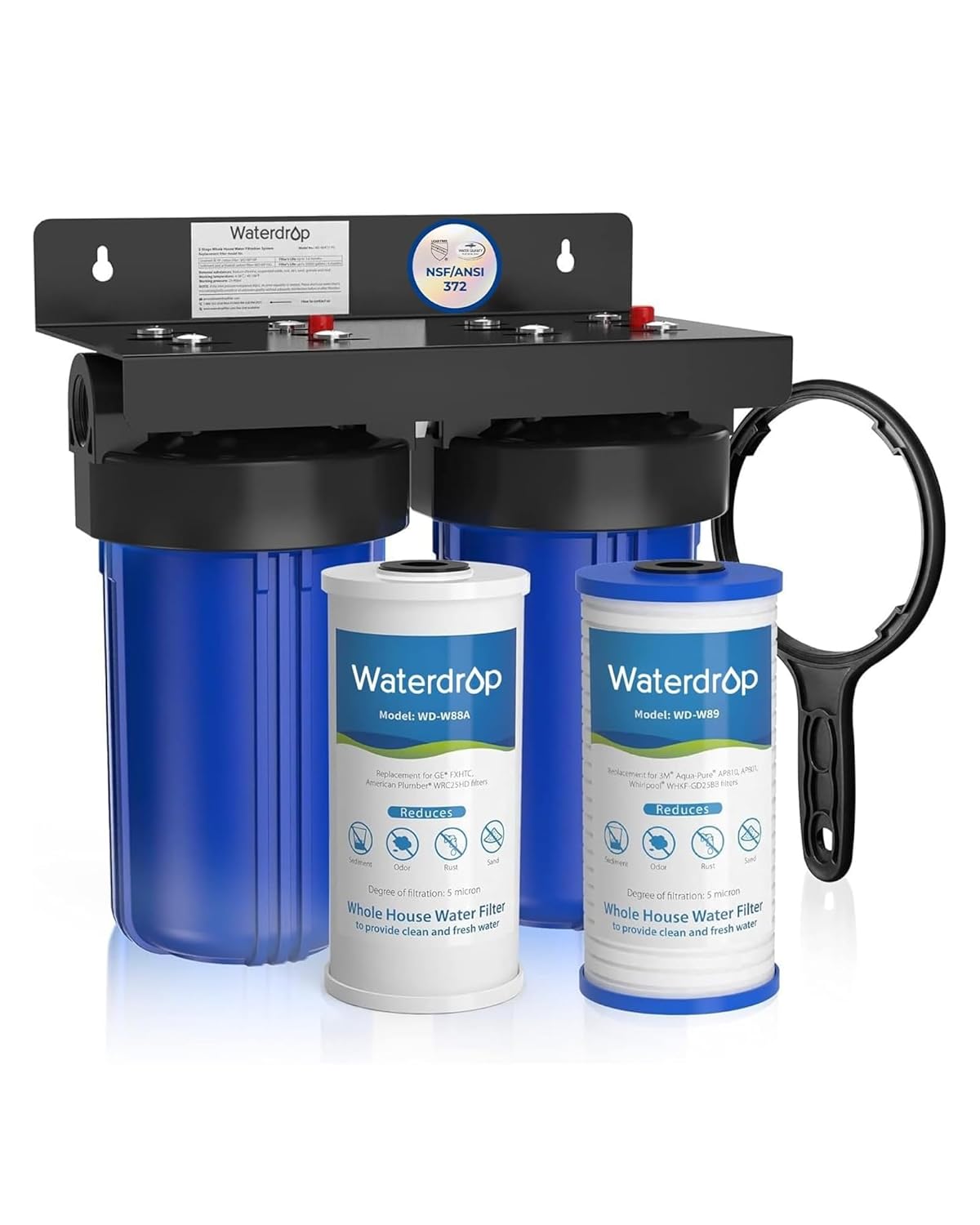
Why Filtration Alone Is Not Enough
Filters can remove sediment, but they do not:
- Seal compromised well casings
- Stop surface water intrusion
- Eliminate bacterial contamination reliably
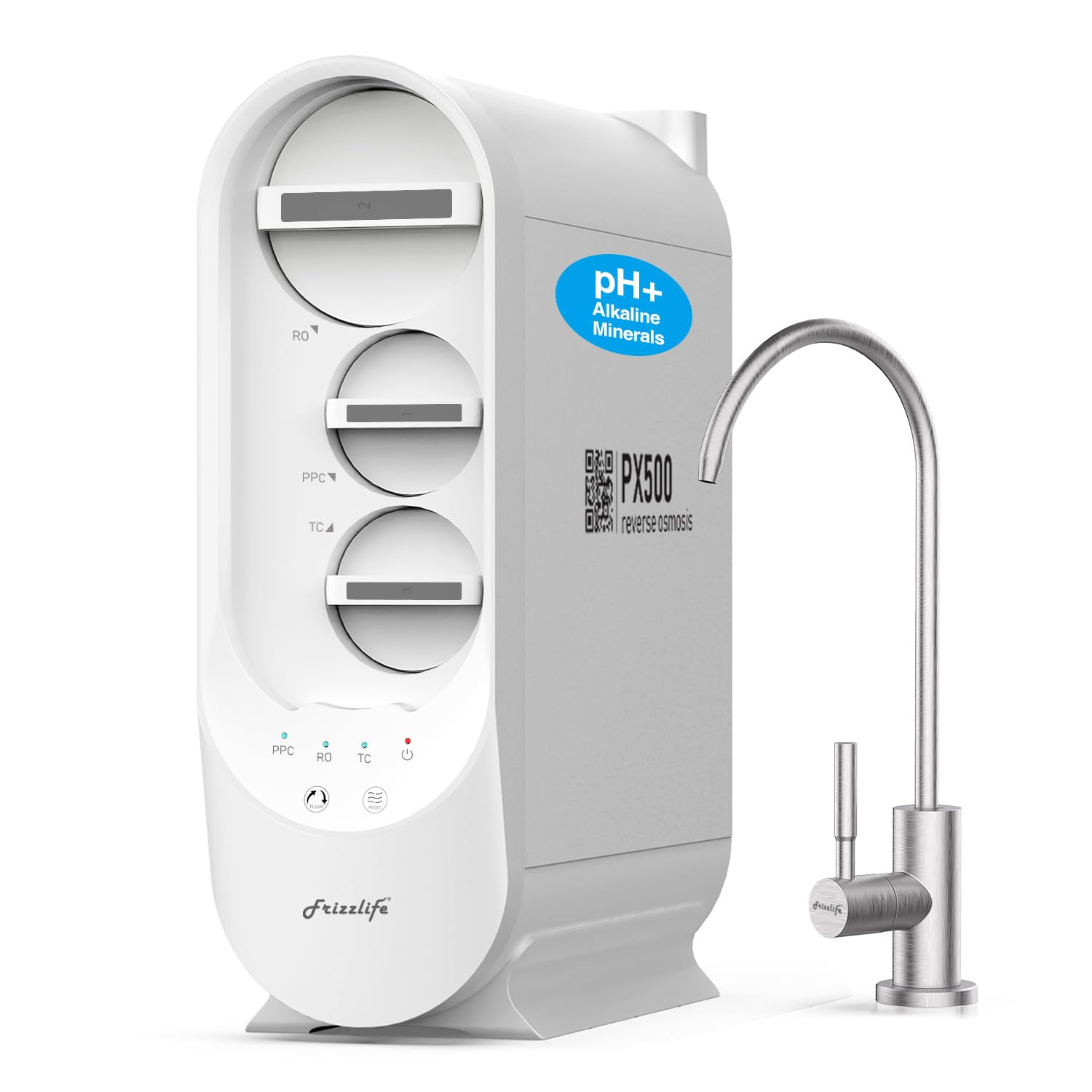
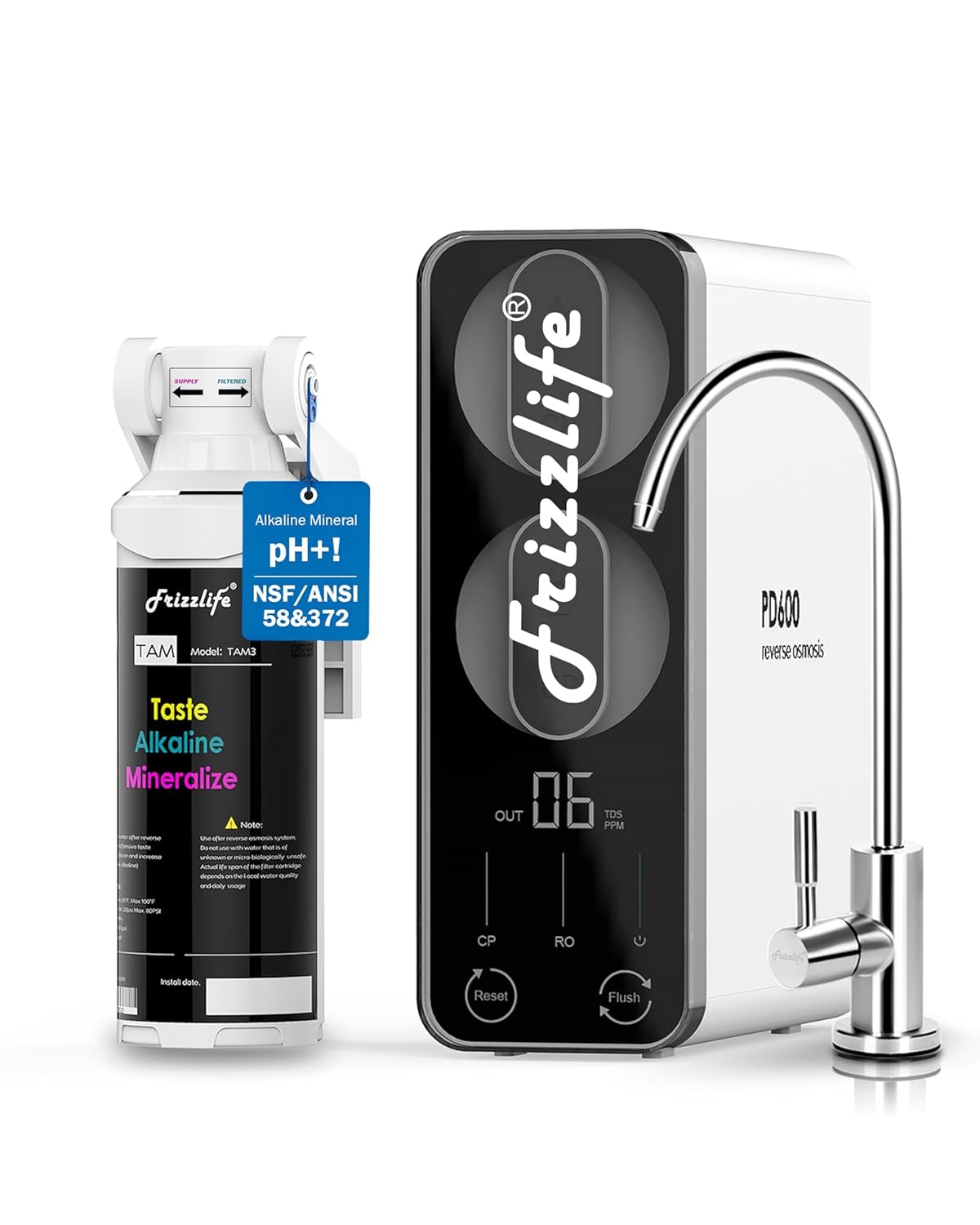
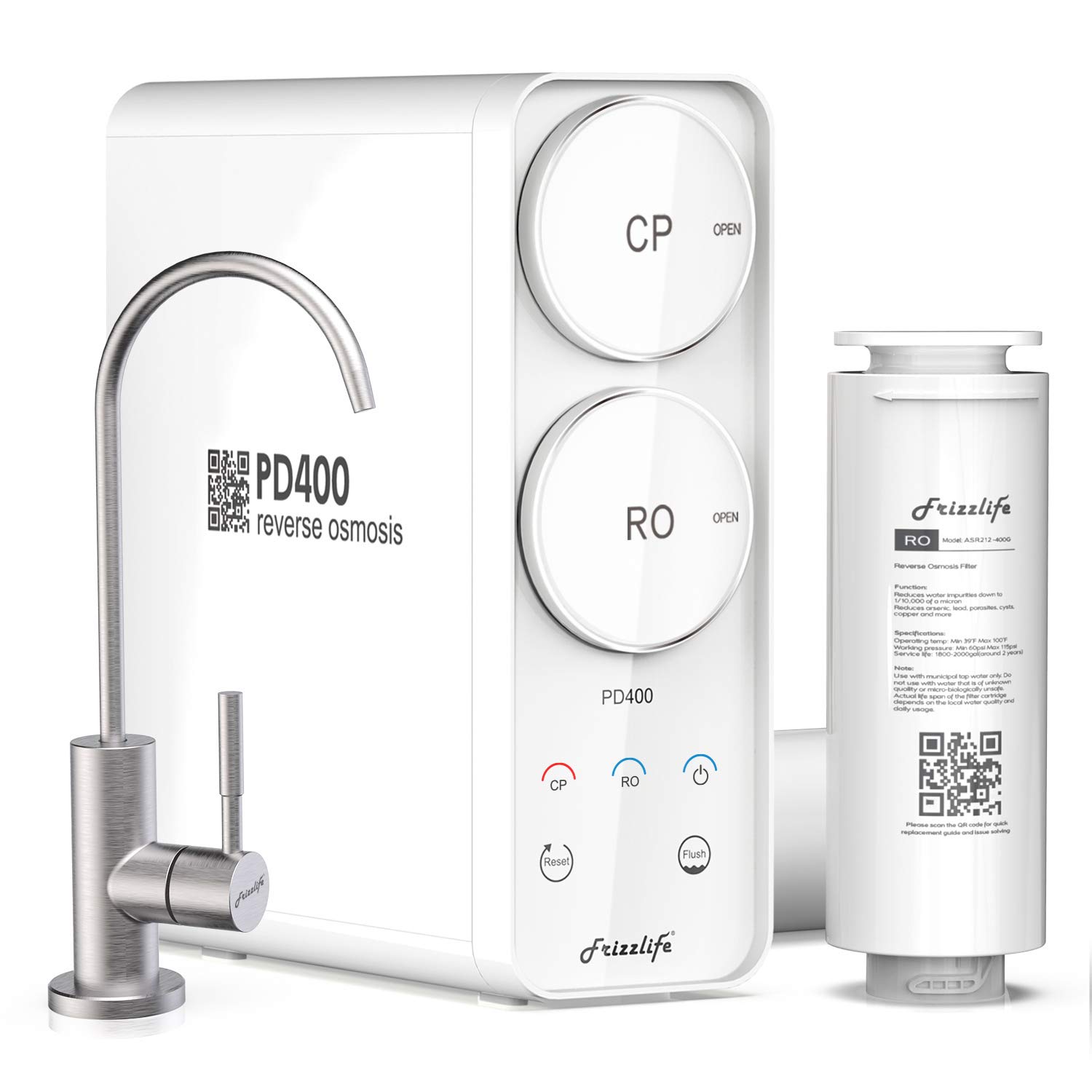
Filtration is a protective layer — not a repair.
Long-Term Fixes That Actually Work
- Replace or upgrade the well cap
- Improve grading to divert runoff
- Seal casing penetrations
- Shock chlorinate after contamination events

What NOT to Do
- Do not assume brown water is safe once it clears
- Do not rely on filters alone for contamination
- Do not ignore recurring events
Preventing Brown Water After Rain
- Maintain a sealed, elevated wellhead
- Divert surface runoff away from the well
- Test water annually — and after major storms
Final Takeaway
Brown well water after rain is never random. Distinguishing harmless disturbance from dangerous contamination allows you to protect your water supply — and your health — before a minor issue becomes a serious one.
Related Products