Cloudy or Milky Water From the Tap: A Complete Diagnosis and Fix Guide
Seeing cloudy or milky-looking water come out of your tap can be alarming, especially if it appears suddenly. Some homeowners immediately assume contamination, while others ignore it entirely.
Both reactions can be wrong.
Cloudy water can range from harmless trapped air to serious sediment or water quality issues that damage plumbing and appliances. The key is understanding what you’re actually seeing and diagnosing the cause before spending money on unnecessary treatments.
This guide walks through:
- The different types of cloudy water (and why they matter)
- Simple tests that reveal the cause
- System-level problems that create persistent cloudiness
- Correct fixes based on what you find
The Two Types of Cloudy Water (This Is Critical)
Type 1: Air Entrapment (Usually Harmless)
This is the most common cause of milky-looking water.
Characteristics:
- Water looks cloudy when first poured
- Clears from the bottom up within 30–60 seconds
- No change in taste or odor
Air becomes trapped when pressure changes occur in municipal lines, well systems cycle rapidly, or plumbing work introduces air into the system.
Type 2: Sediment or Dissolved Solids (Not Harmless)
This type does not clear quickly and often worsens over time.
Characteristics:
- Cloudiness remains after several minutes
- Particles may settle at the bottom
- Water may appear white, gray, yellow, or brown
This indicates physical material or high mineral content in the water.
Step-by-Step Diagnosis (Do This First)
Step 1: The Glass Test
Fill a clear glass with cold water and set it on the counter.
- Clears bottom-up → air
- Does not clear → sediment or minerals
Step 2: Check Multiple Fixtures
If every fixture is affected, the issue is system-wide.
If only one faucet is affected, the issue is localized.

Step 3: Note Recent Changes
Cloudy water often appears after:
- Municipal line flushing
- Plumbing repairs
- Power outages affecting pumps
- Heavy rainfall (wells)
Common Causes of Persistent Cloudy Water
Municipal Line Disturbance
Cities periodically flush mains. This dislodges scale and sediment that temporarily enters homes.
Well Pump Turbulence
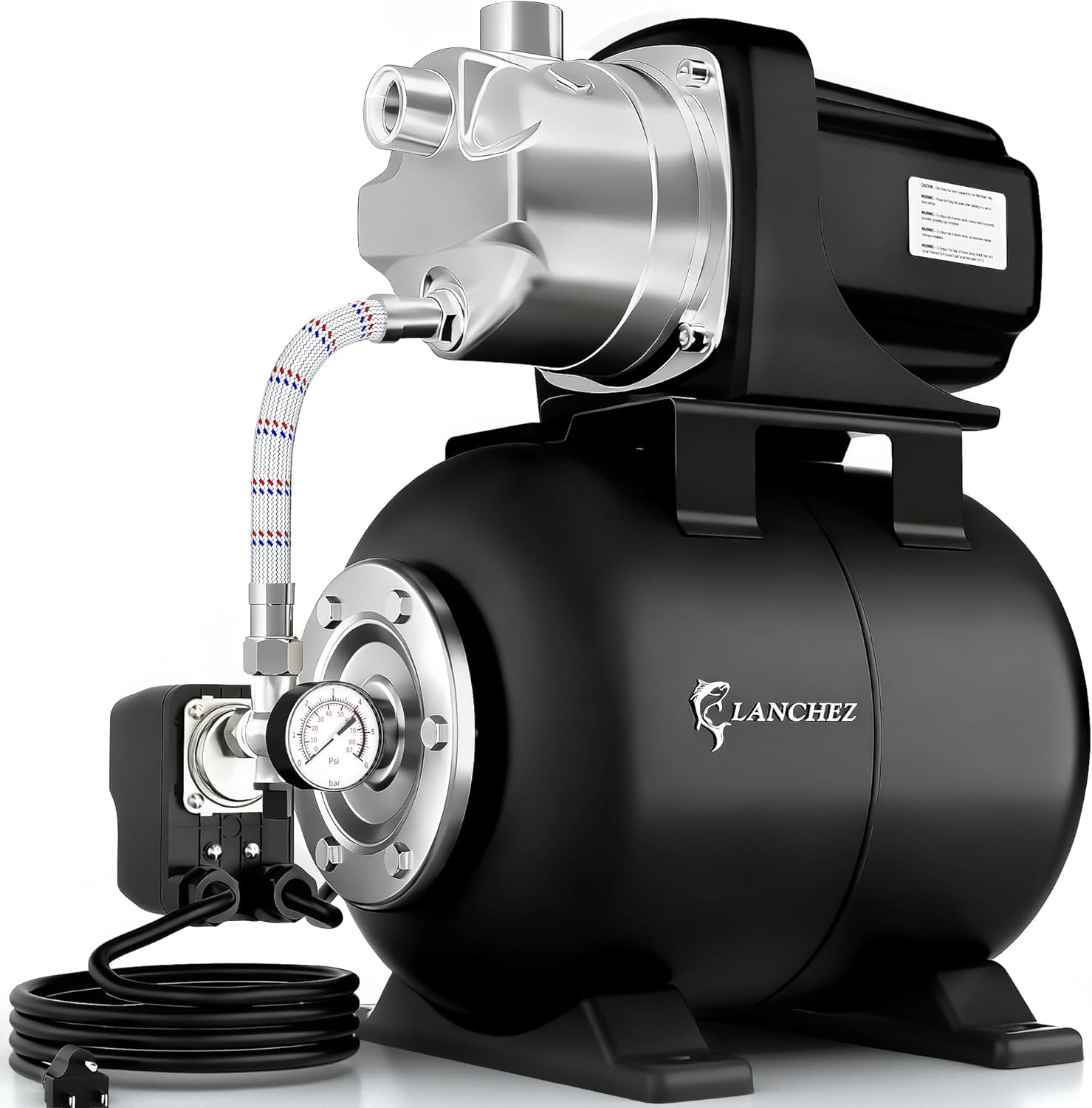
Pumps set too low or cycling aggressively can stir sediment at the bottom of the well.
Failing Well Casing or Screen
Cracked casings allow soil and fine particles to enter the water supply.
High Mineral Content (Hard or TDS-Heavy Water)
Dissolved minerals scatter light, creating a cloudy appearance.
How to Fix Cloudy or Milky Water (Based on Cause)
If the Cause Is Trapped Air
No treatment is required. Run water for several minutes until air is purged.
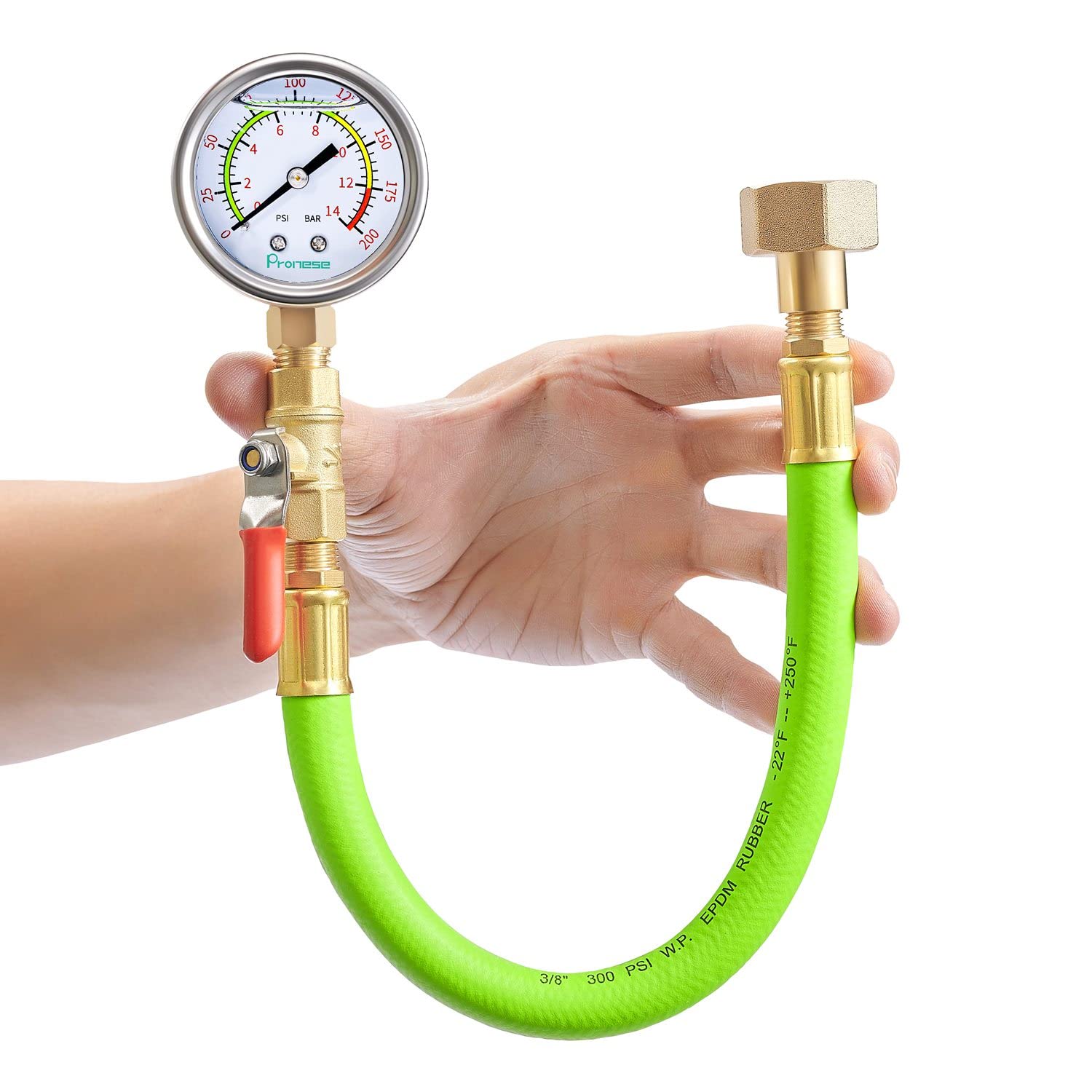
Persistent air may indicate pressure issues.



If the Cause Is Sediment
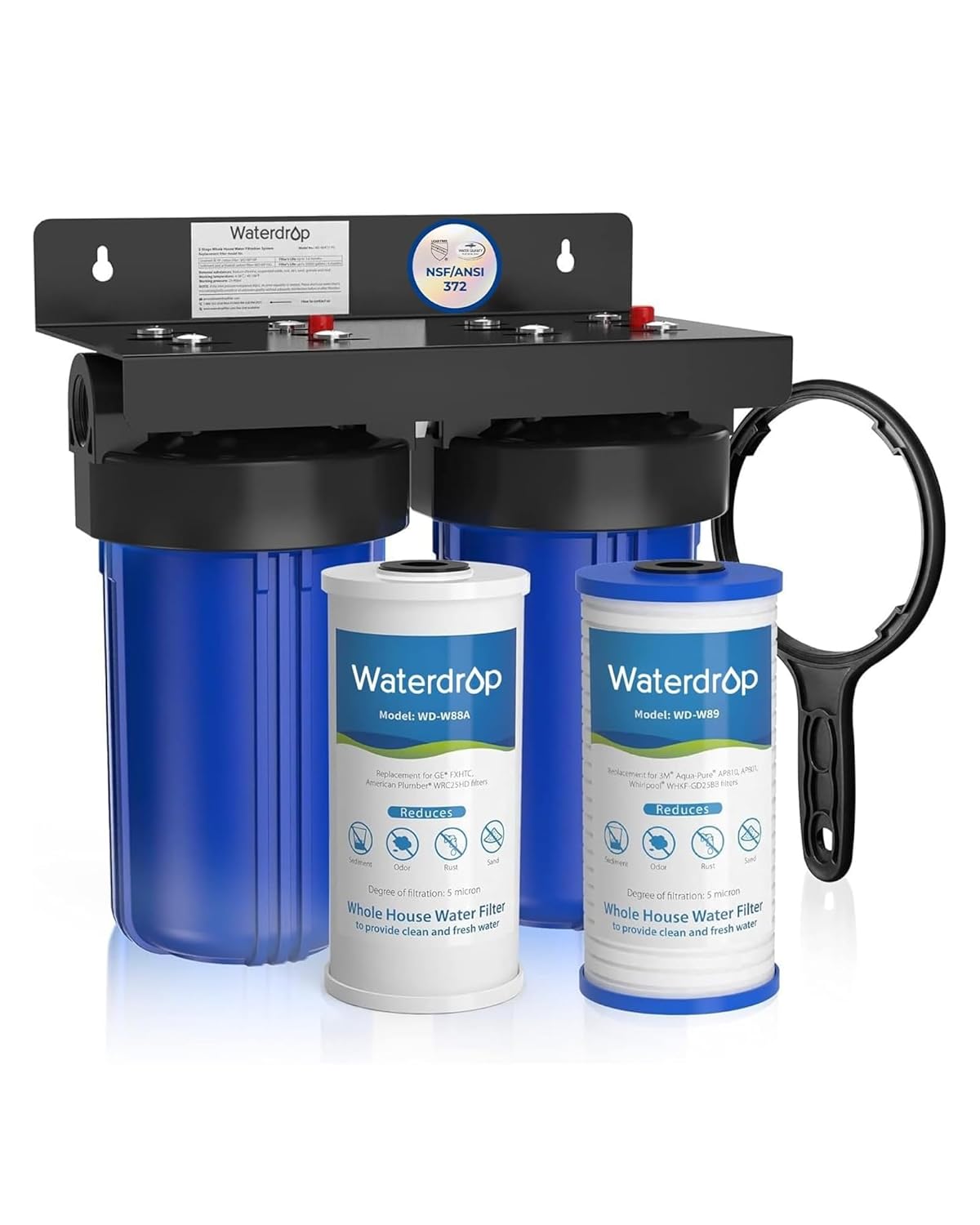
Sediment must be physically filtered before it reaches fixtures and appliances.
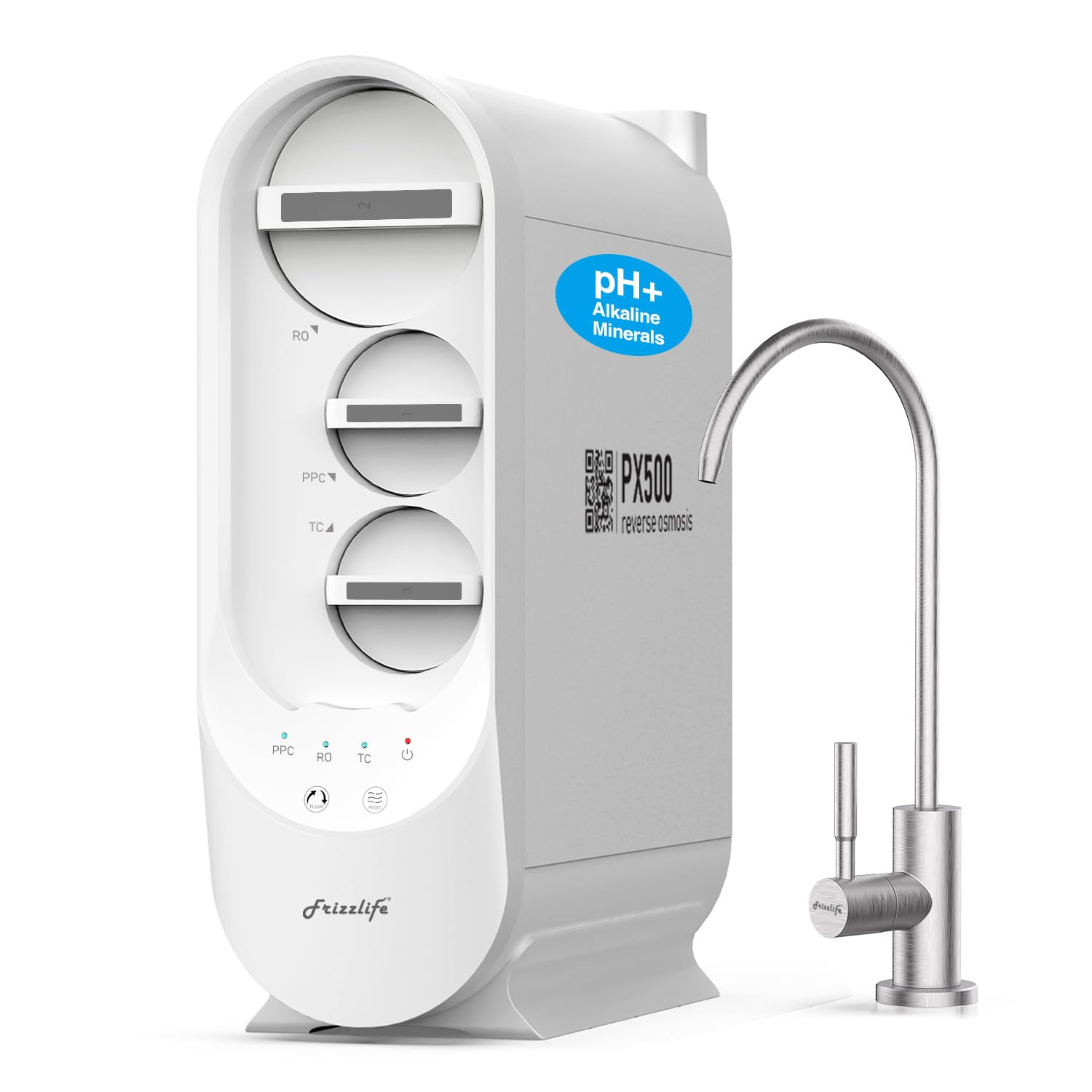
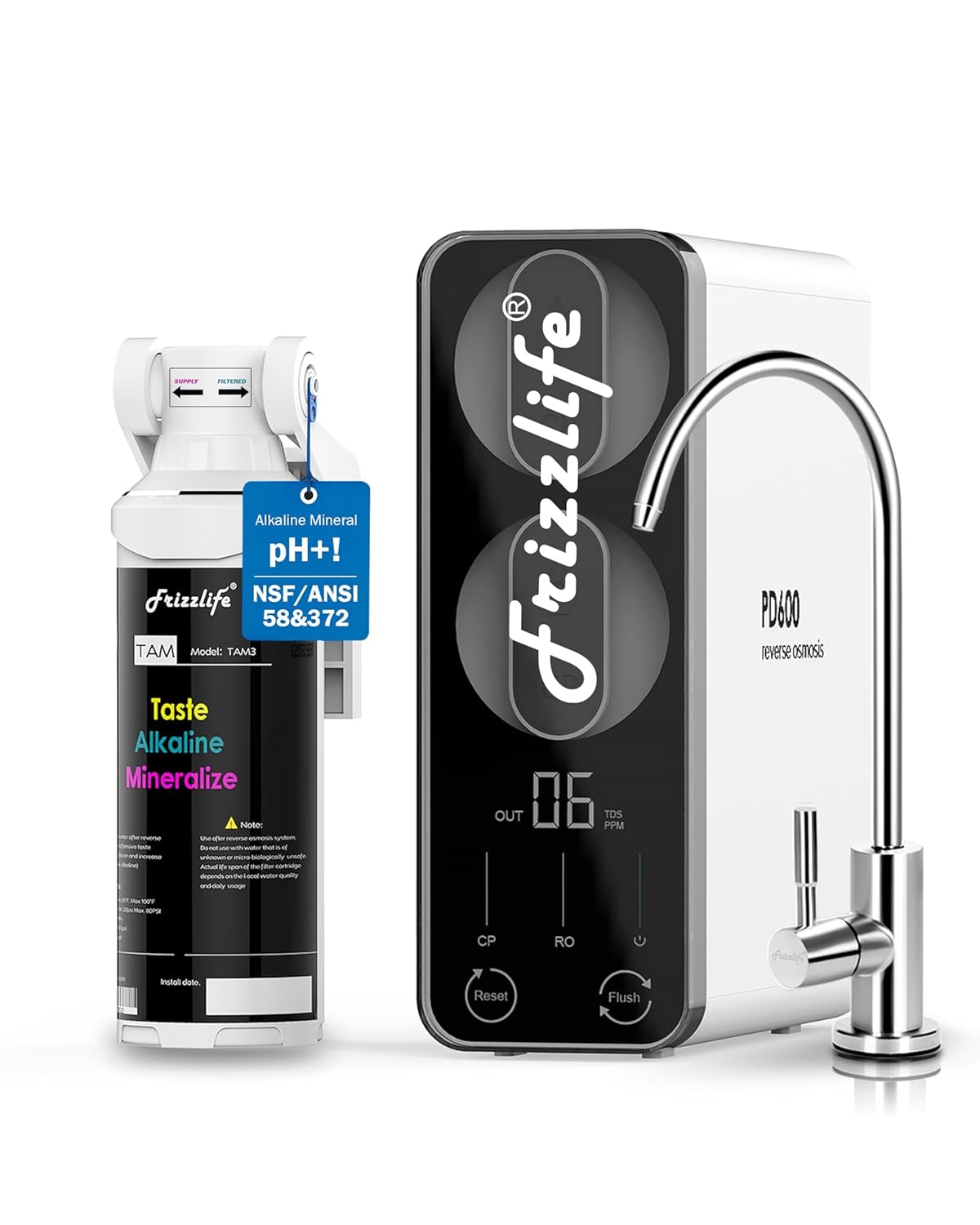
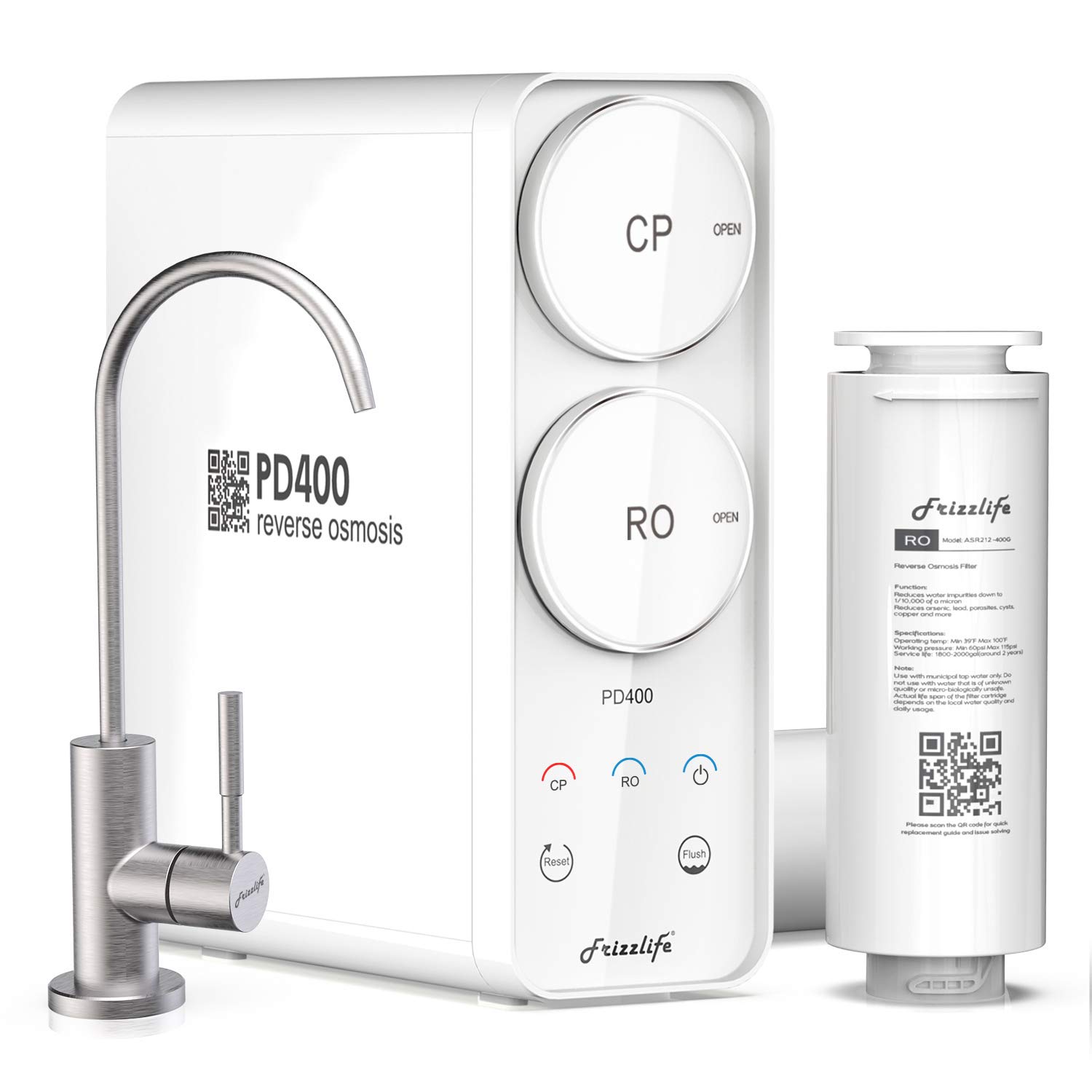
Install filtration at the point of entry to protect the entire system.
If the Cause Is Well Integrity
Casing or screen failures require professional repair. Filtration alone is not sufficient.
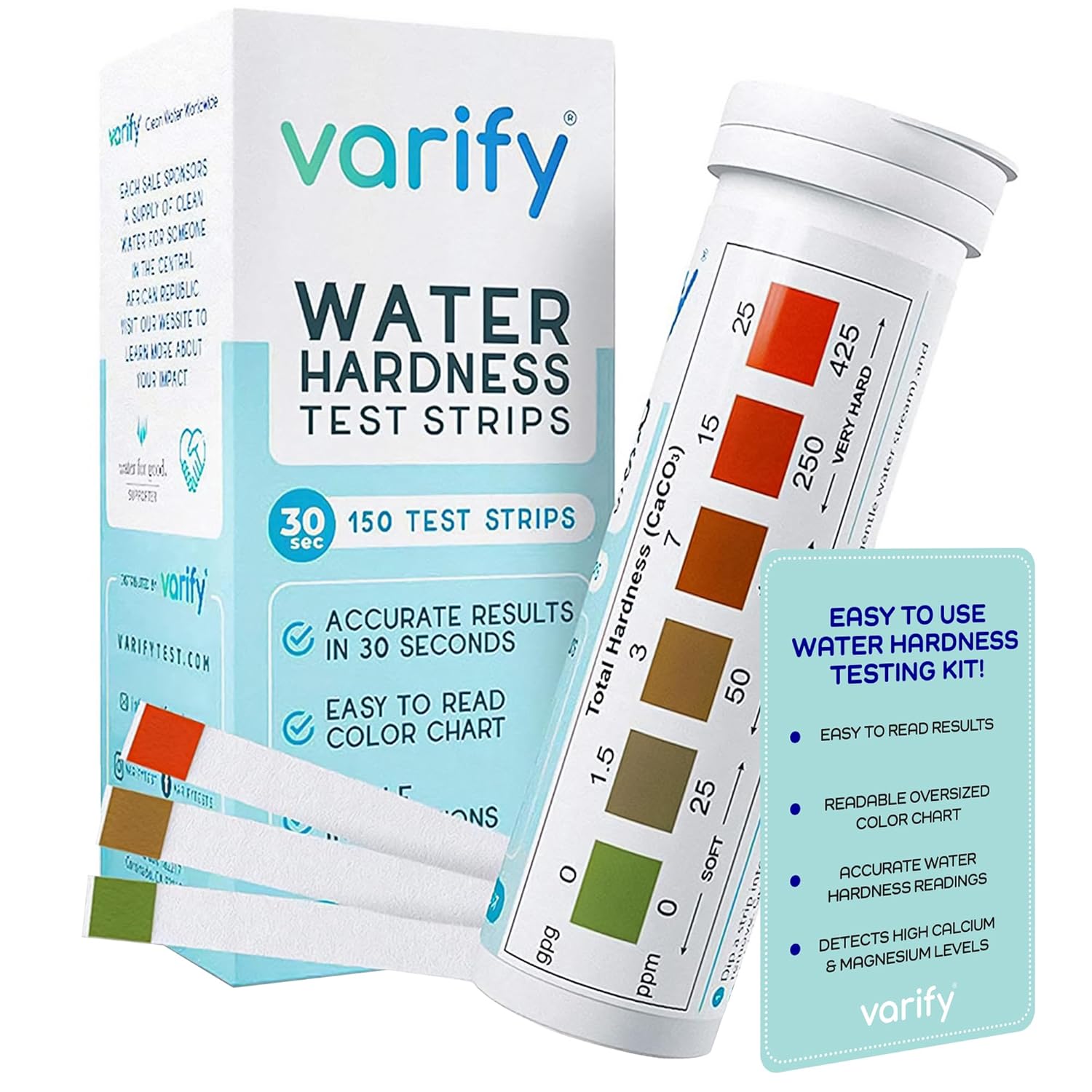
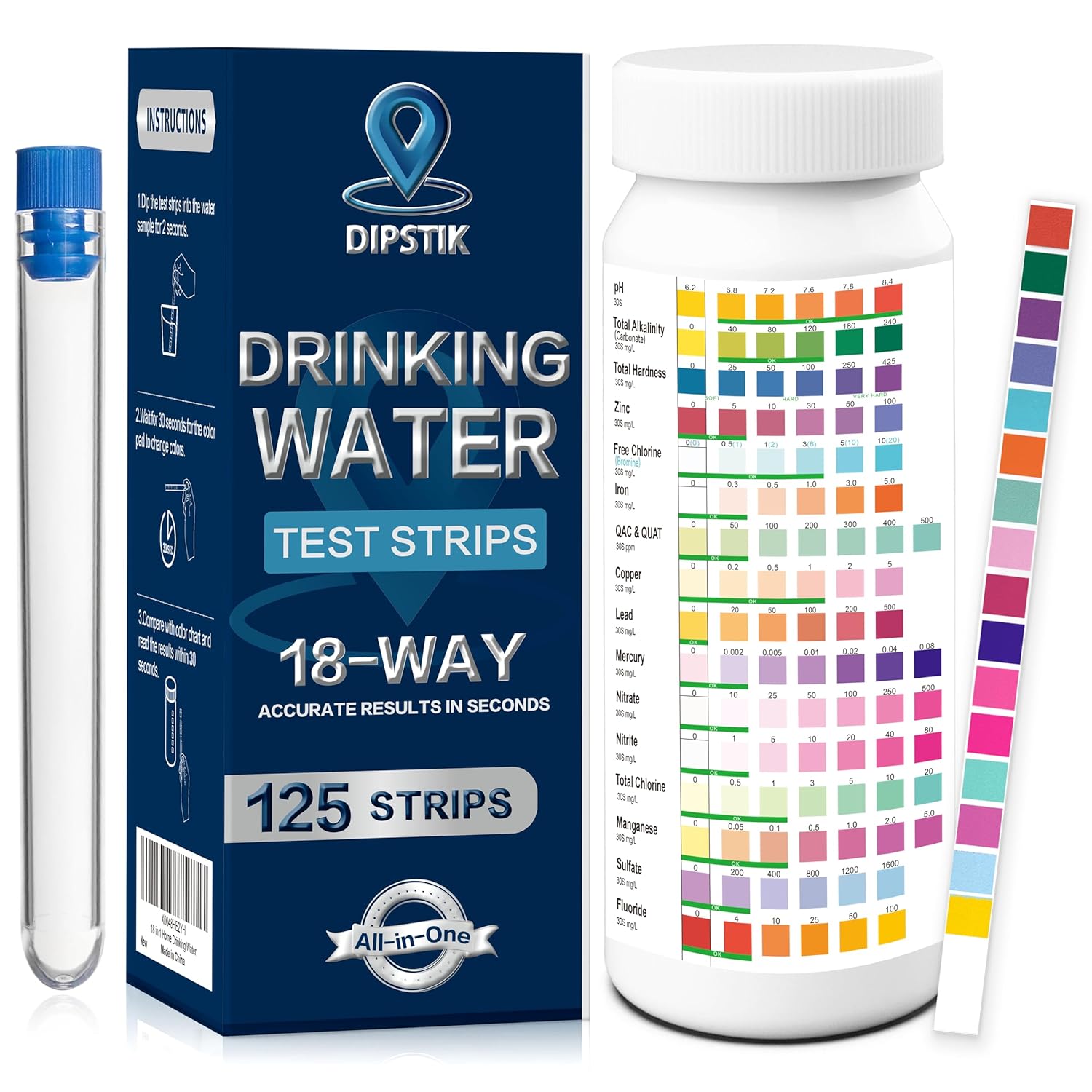
When You Should Test Your Water
Water testing is recommended when:
- Cloudiness persists longer than a few days
- Taste or odor changes accompany cloudiness
- You rely on a private well


What NOT to Do
- Do not assume cloudy water is safe without testing
- Do not install softeners without diagnosing sediment
- Do not ignore persistent discoloration
Preventing Cloudy Water Long-Term
- Use sediment filtration on wells
- Flush plumbing after municipal work
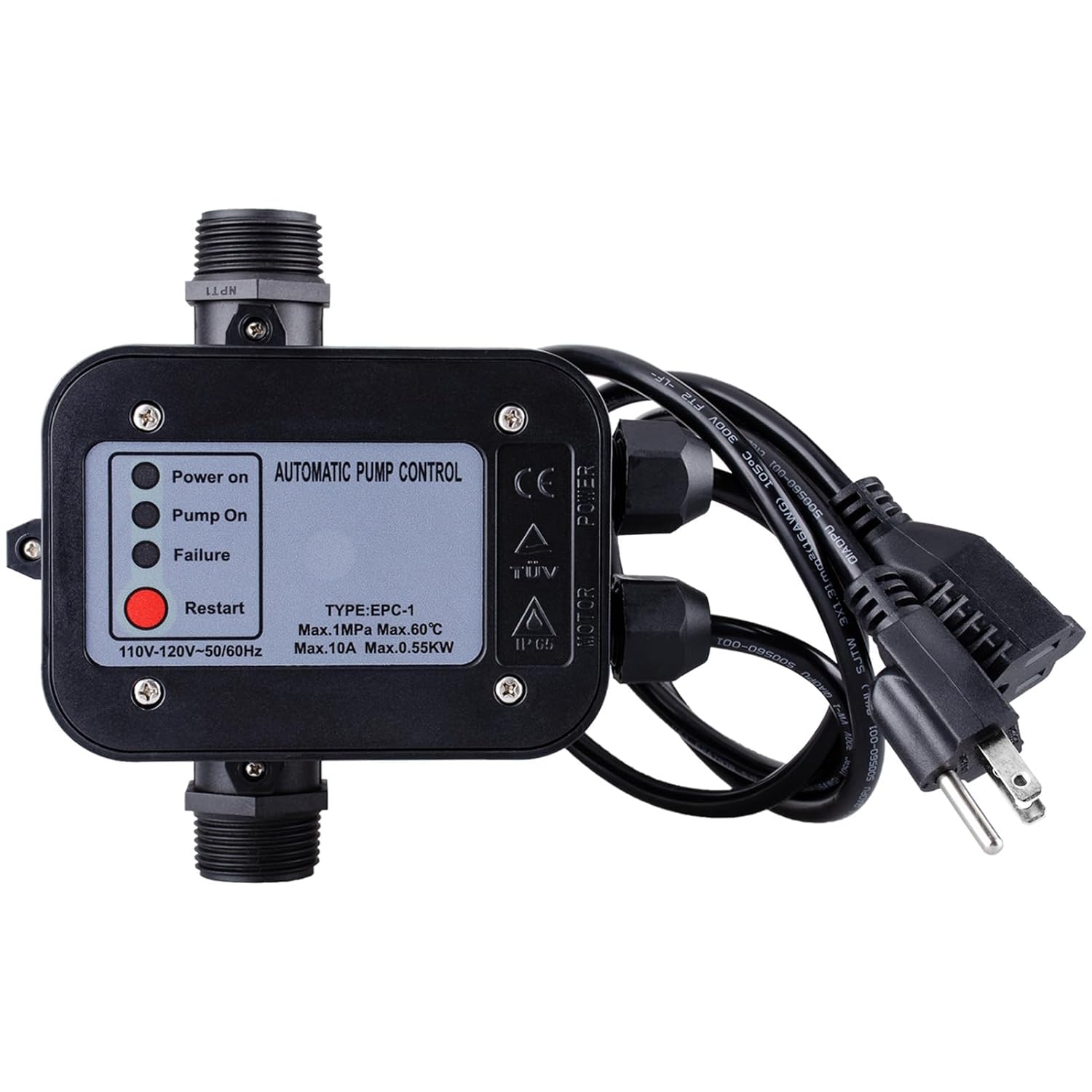
- Maintain proper pump cycling
Final Takeaway
Cloudy water is only harmless when it clears quickly. Knowing how to distinguish air from contamination allows you to fix the problem correctly — without unnecessary equipment or guesswork.
Related Products