High Water Pressure: The Silent Plumbing Killer (How to Diagnose and Fix It Safely)
High water pressure is one of the most overlooked causes of plumbing damage. Because strong flow feels like a luxury, many homeowners assume higher pressure is better. In reality, pressure above safe limits shortens the life of almost every component in your plumbing system.
Leaks that seem “random,” dripping relief valves, failed washing machine hoses, and prematurely dead water heaters often share the same root cause: uncontrolled pressure.
This guide explains:
- What “high” water pressure actually means
- How to measure it correctly (not guess)
- The damage high pressure causes over time
- The correct, code-compliant ways to fix it
What Counts as High Water Pressure (And Why It Matters)
Most residential plumbing systems are designed to operate between <B>40 and 60 PSI</B>. Pressures up to <B>80 PSI</B> are generally considered the maximum safe limit.
Anything consistently above 80 PSI is unsafe.
Why this matters:
- Appliances are rated for specific pressure ranges
- Valves and seals wear exponentially faster under high pressure
- Thermal expansion amplifies already-high pressure
High pressure doesn’t usually cause immediate failure. It causes <B>accelerated aging</B>, which makes failures seem sudden and unpredictable.
The Real Damage Caused by High Water Pressure
Pipe and Fitting Stress
Repeated pressure spikes fatigue pipe walls, joints, and soldered connections. This is especially dangerous in older homes with copper or aging plastic piping.
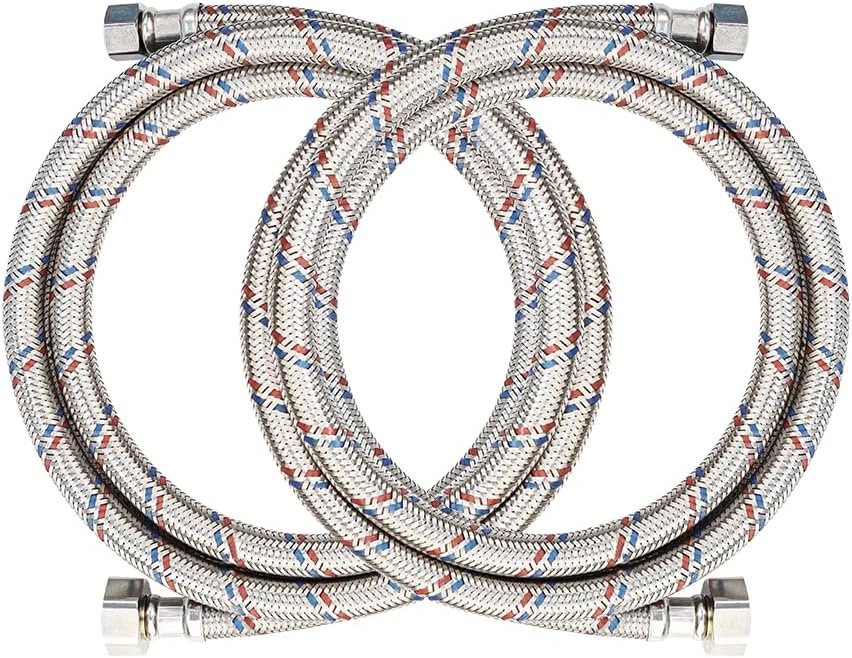
Appliance and Valve FailureWashing machines, dishwashers, ice makers, and toilets all rely on solenoid valves. High pressure slams these valves shut, leading to leaks and failures.
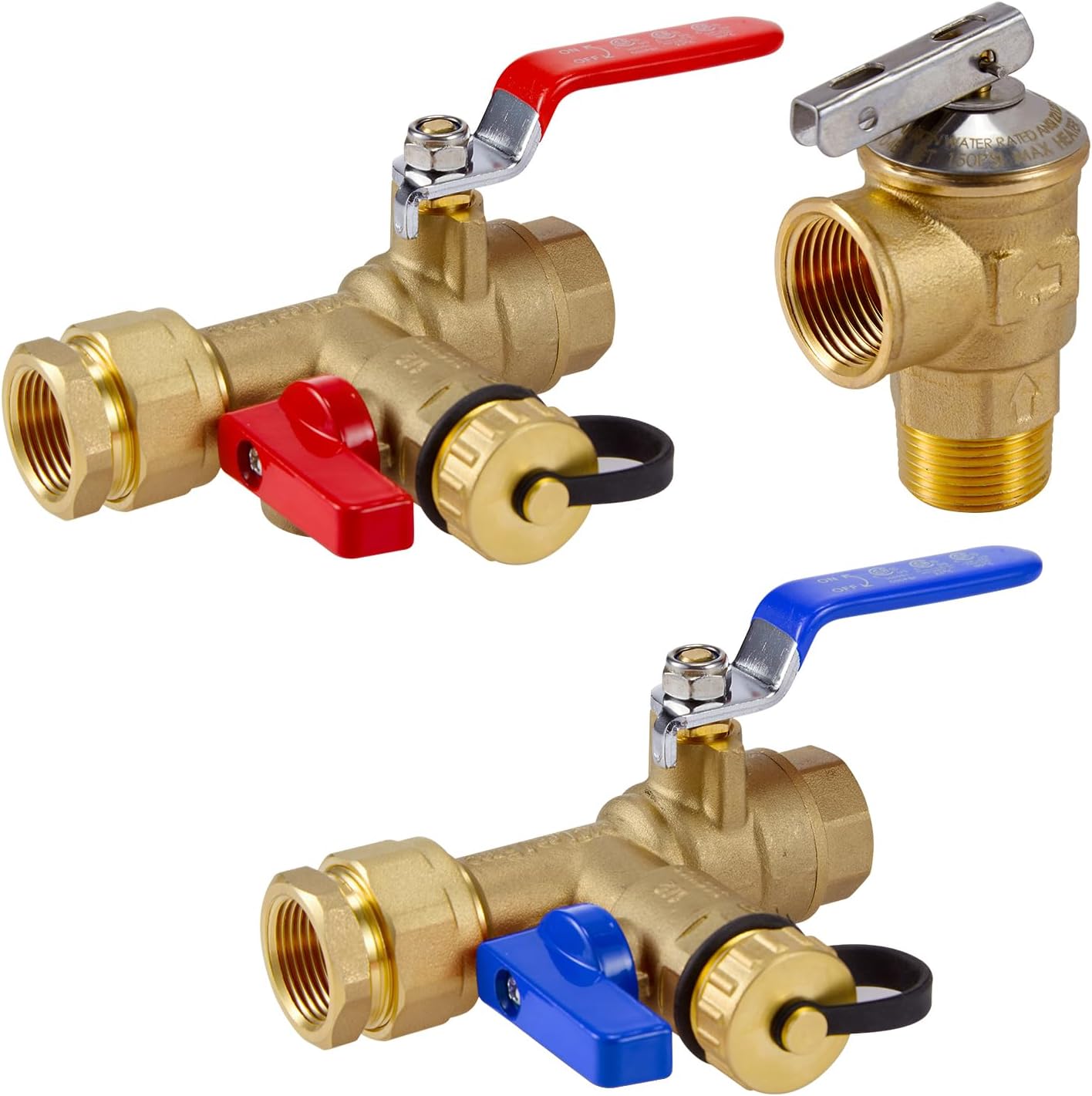
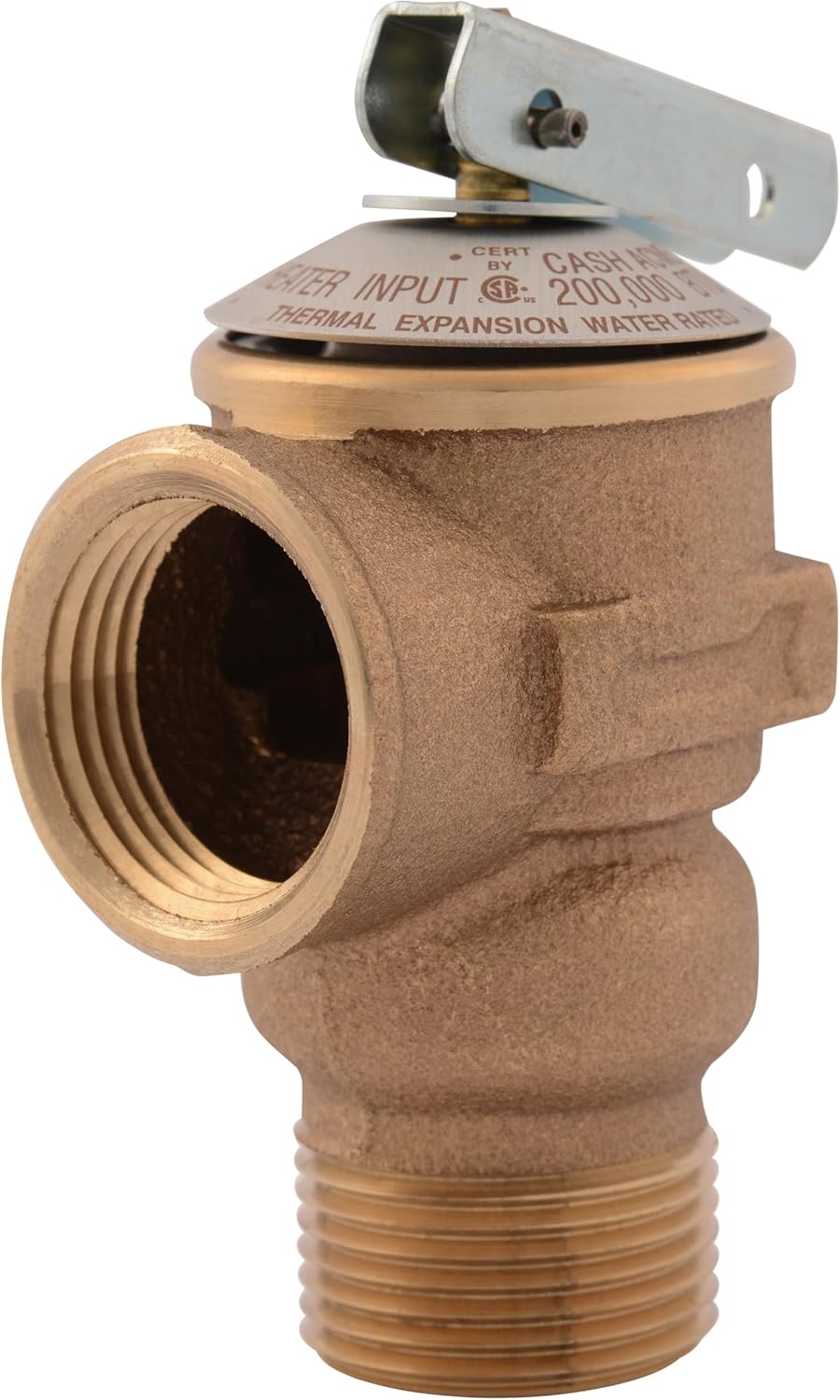
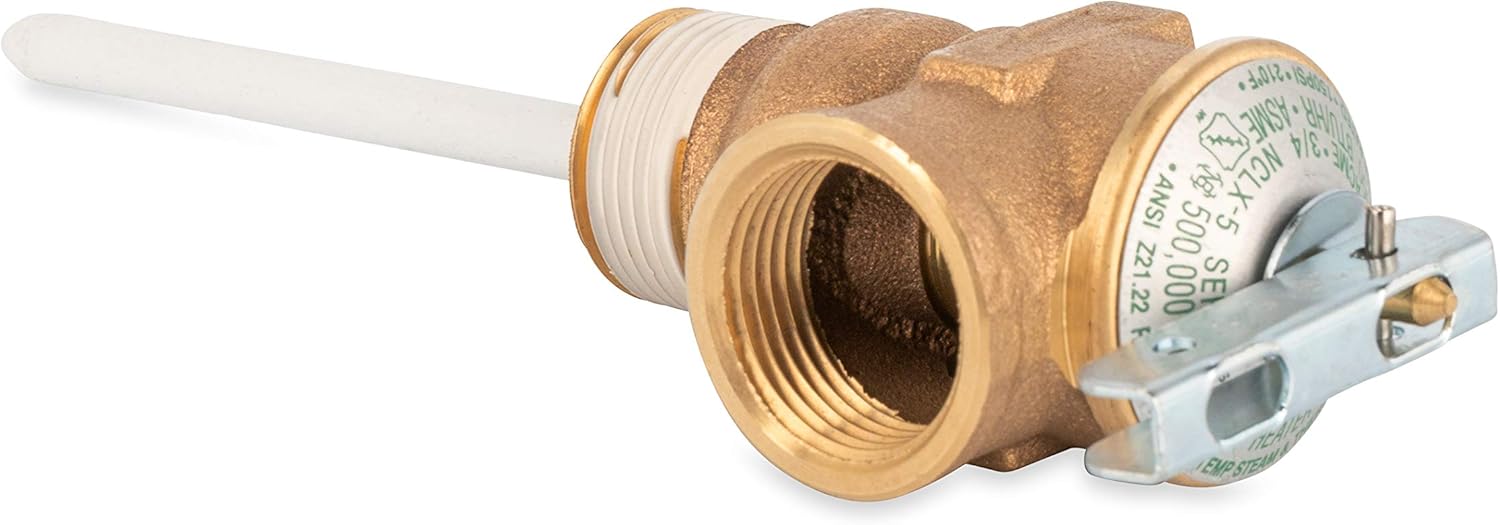
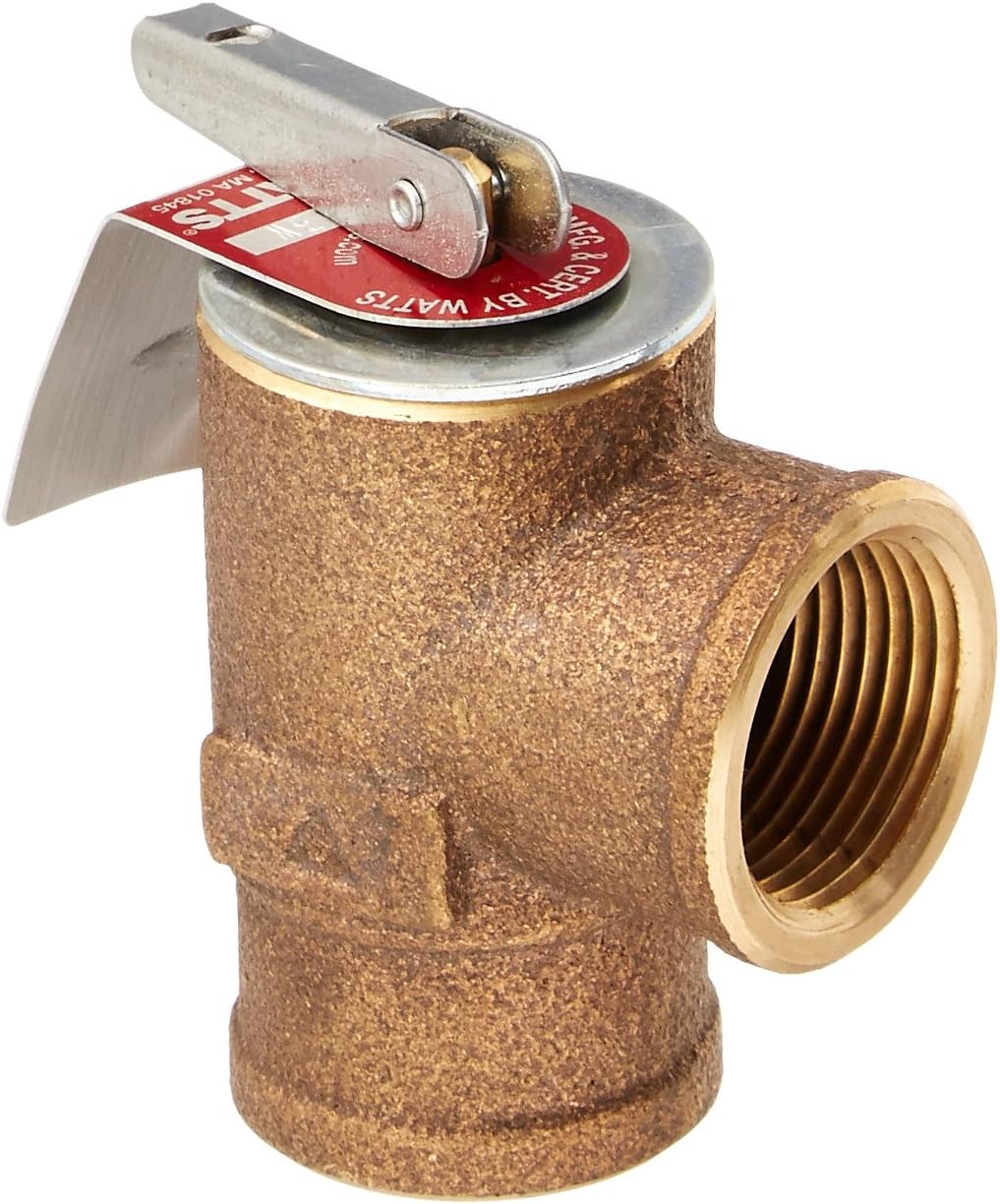
Water Heater ProblemsHigh pressure causes frequent relief valve discharge and accelerates tank fatigue.
How High Pressure Sneaks Into Homes
Many homeowners assume pressure is stable. It often isn’t.
Common causes:
- Municipal supply pressure changes
- Failed or aging pressure regulators
- Thermal expansion in closed systems
- Improper or missing pressure control devices
Pressure can spike overnight when water demand drops.
Step-by-Step Diagnosis (Do This Exactly)
Step 1: Measure Static Pressure
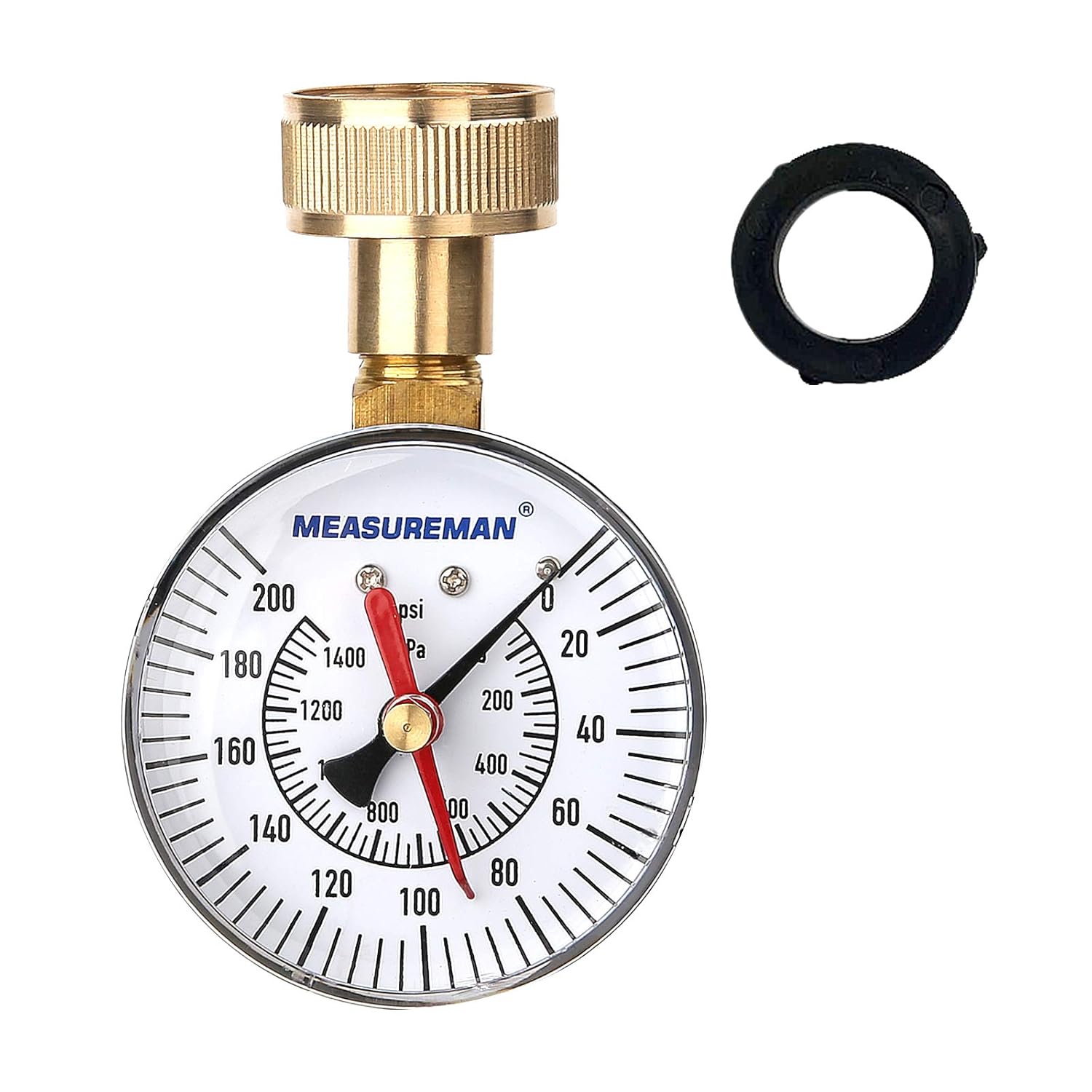
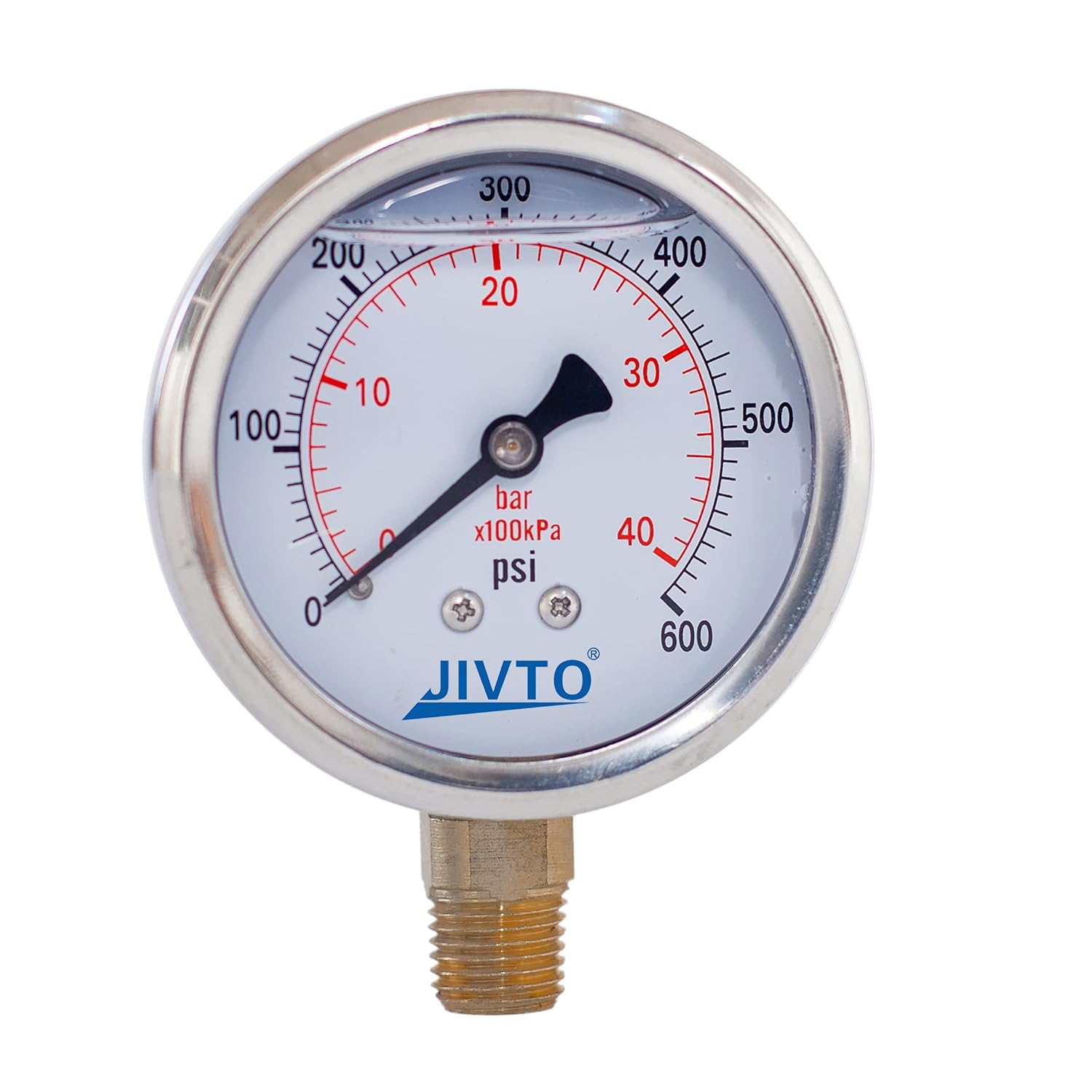
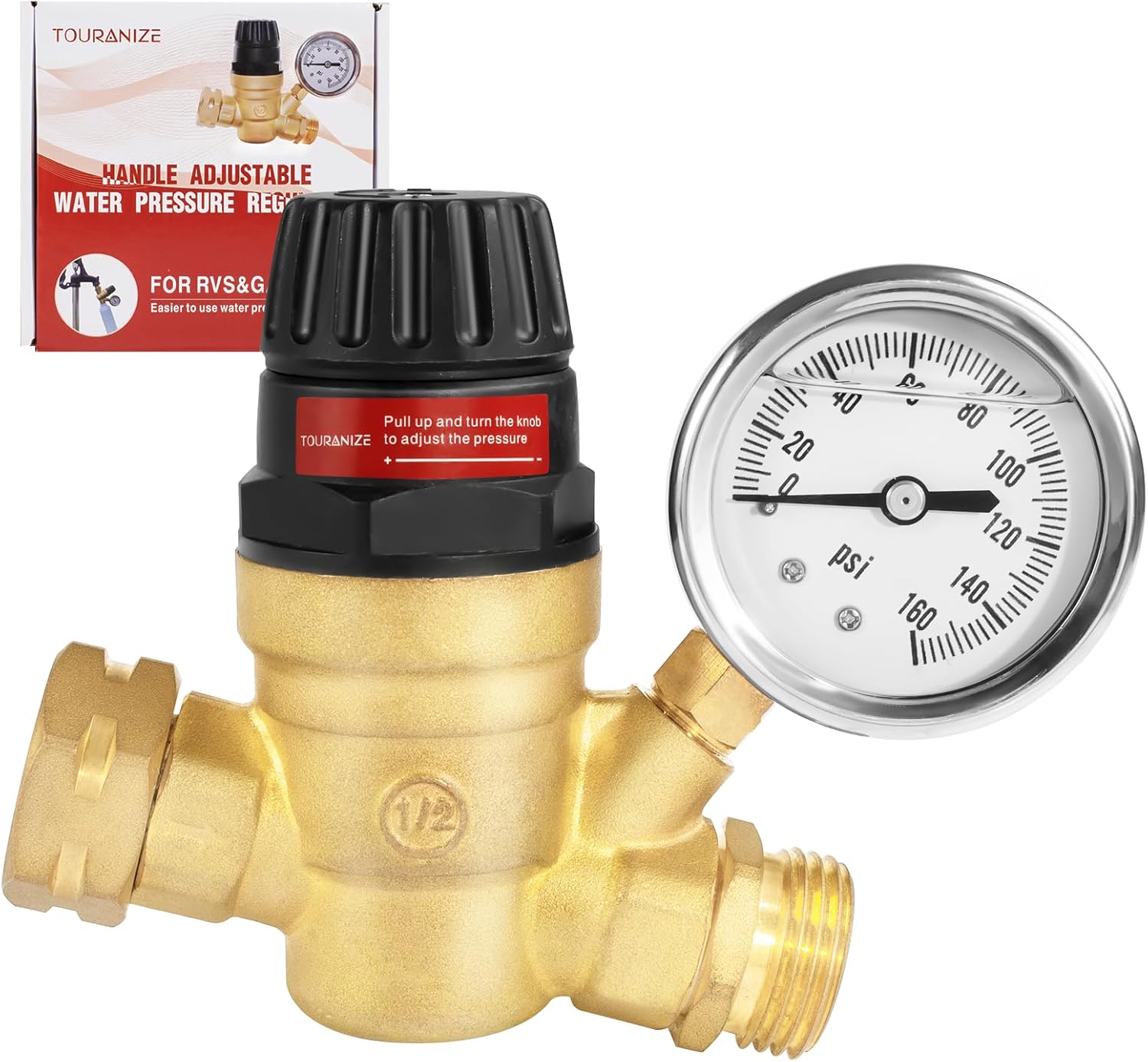
Attach a pressure tester to an outdoor hose bib or laundry tap. Test with no water running.
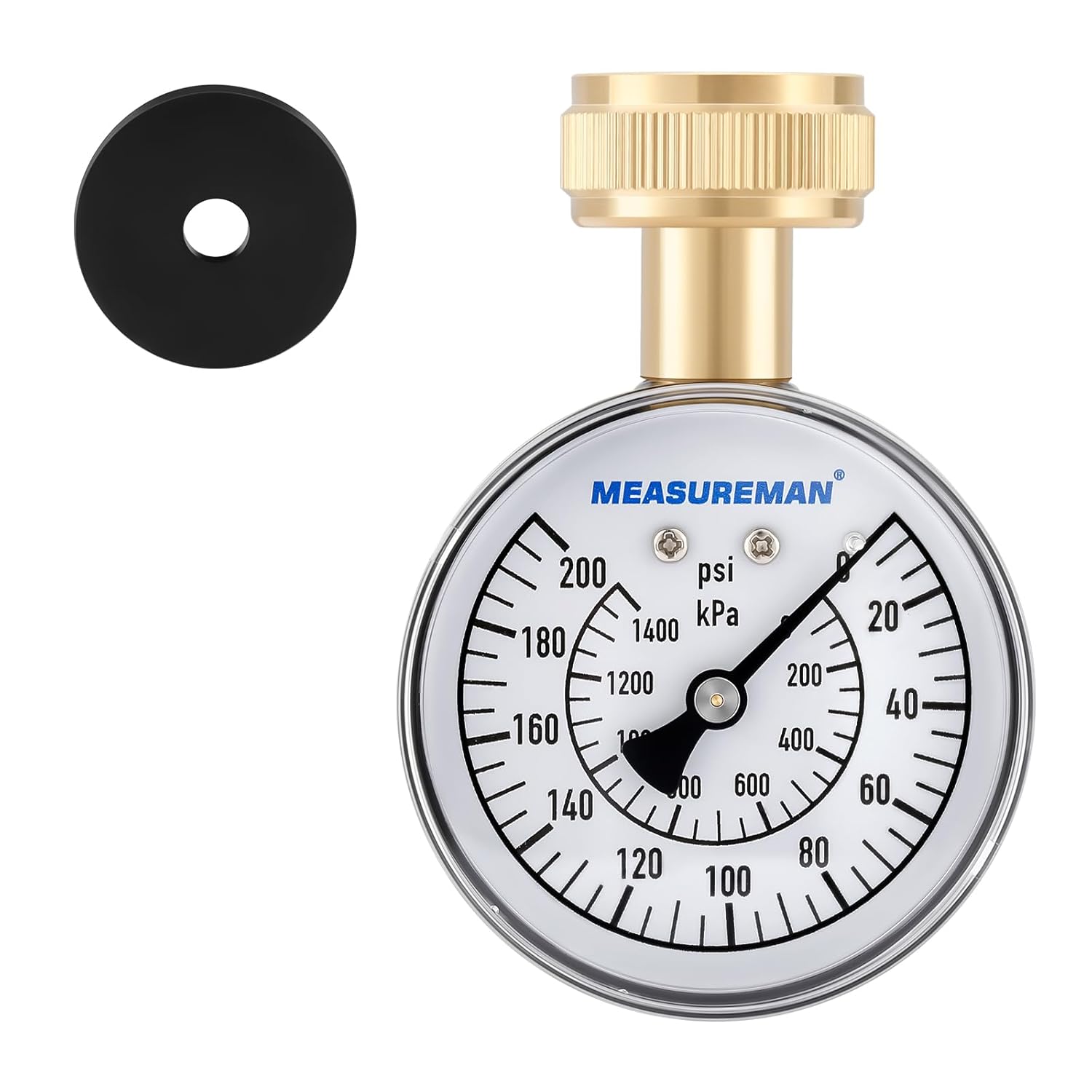
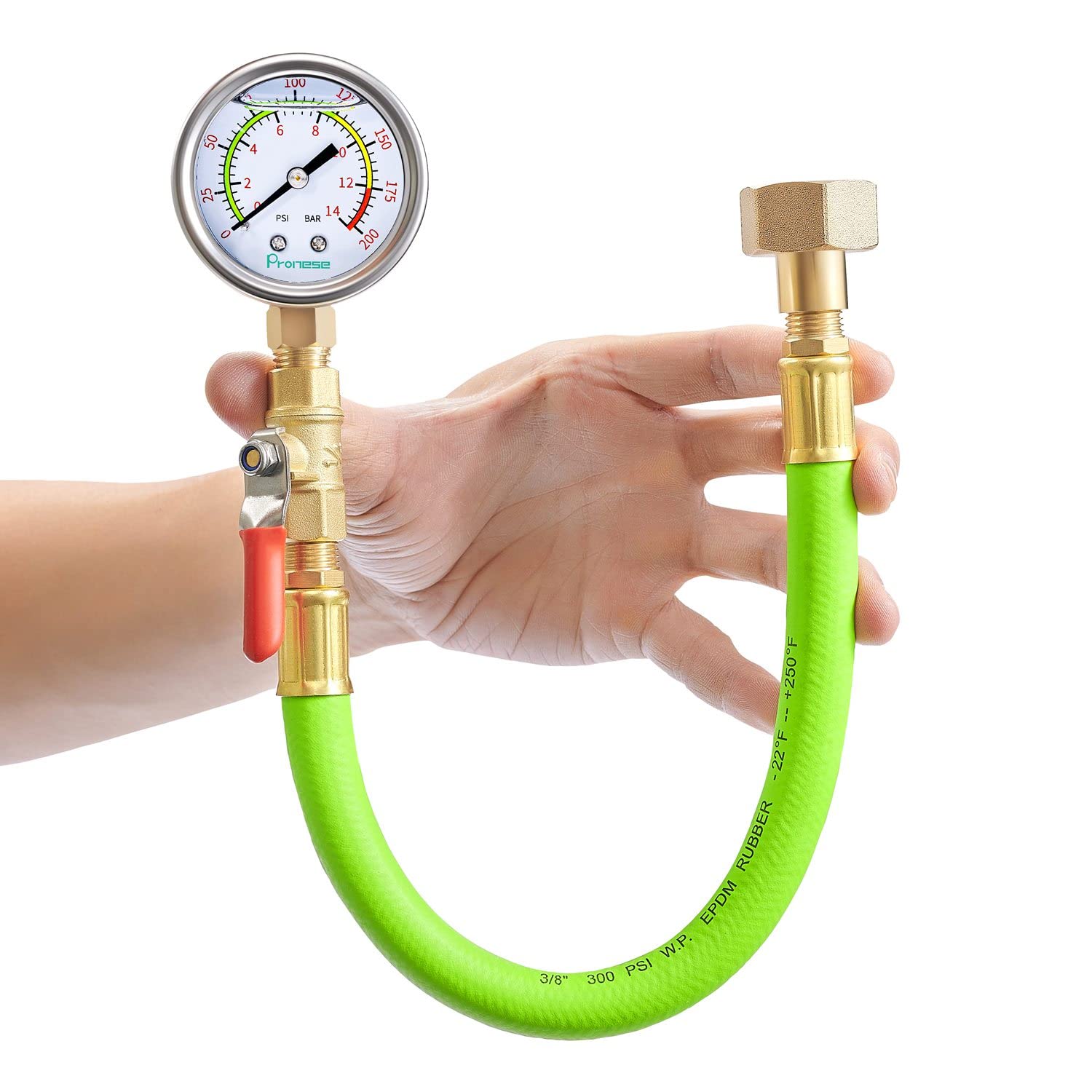
- Below 40 PSI → low pressure issue
- 40–60 PSI → normal
- 60–80 PSI → elevated
- Above 80 PSI → unsafe
Step 2: Check for Pressure Creep
Leave the gauge attached for several hours (or overnight).
If pressure rises significantly without water use, thermal expansion or regulator failure is likely.
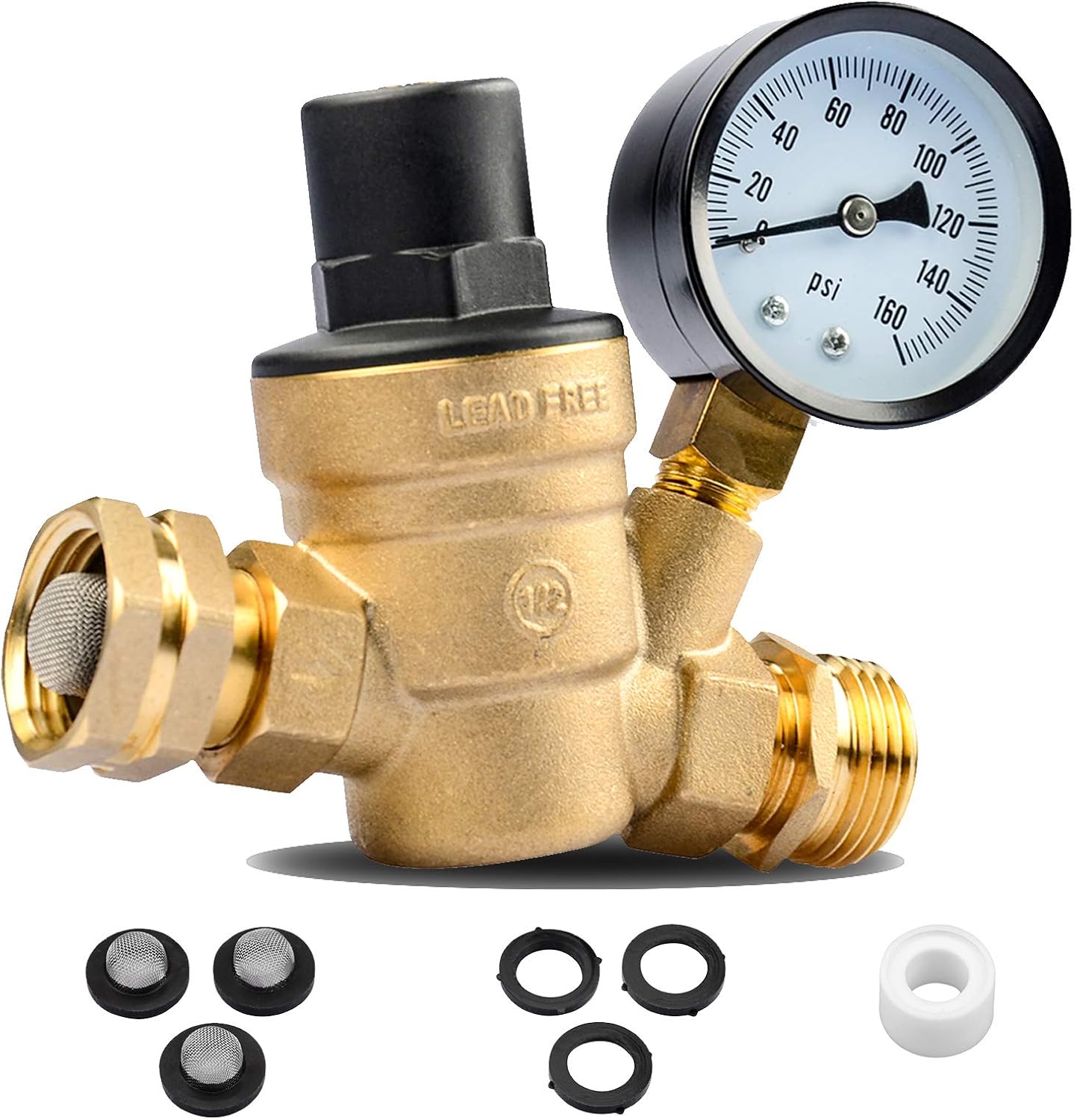
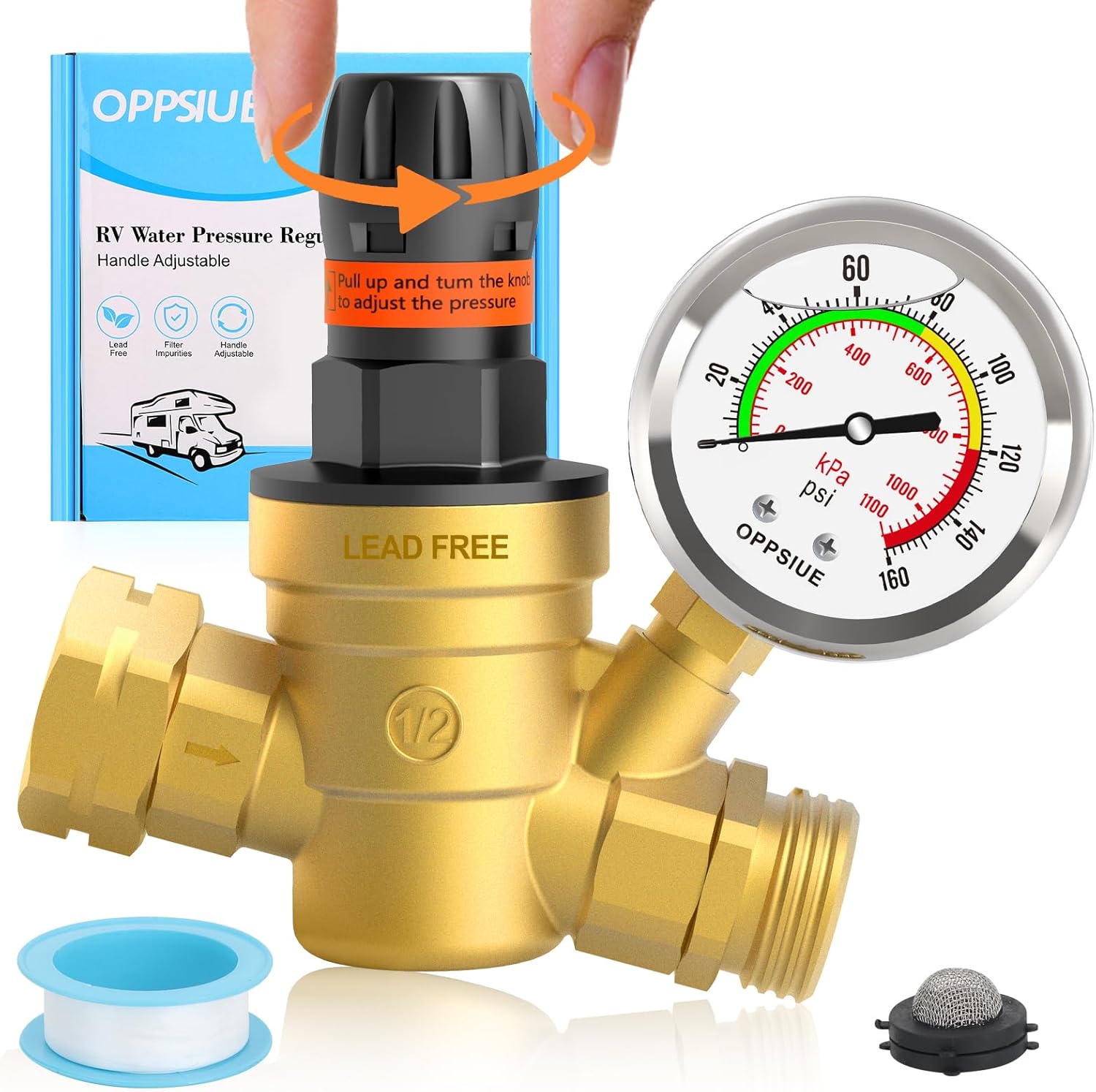
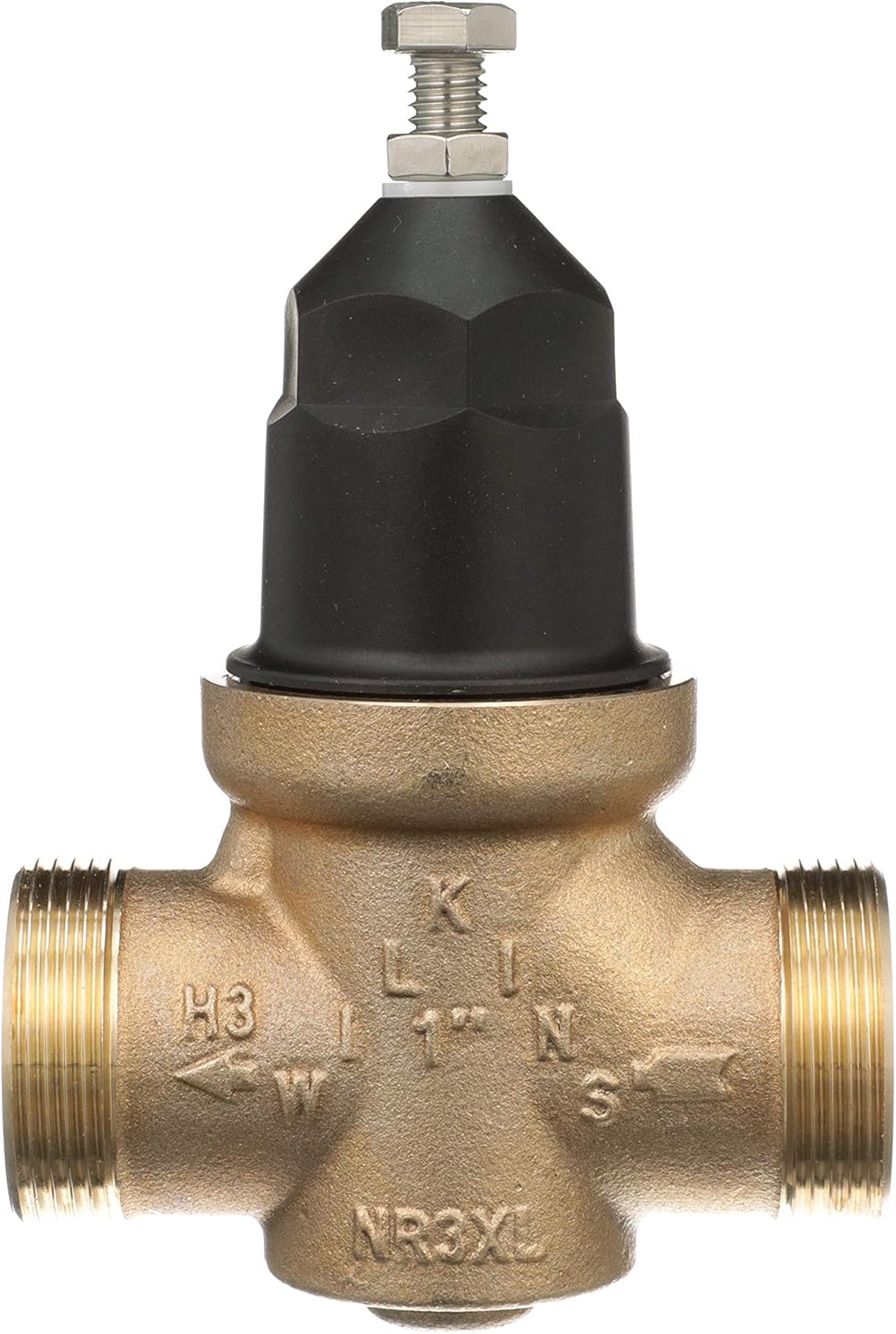
Step 3: Locate the Pressure Regulator
Most homes with municipal water have a pressure-reducing valve (PRV) near the main shutoff.
How to Fix High Water Pressure Properly
Adjusting a Pressure Regulator
Some PRVs allow adjustment via a set screw or bolt. Adjust slowly and re-test.
If adjustment does not hold, the regulator has failed internally.
Replacing a Failed Pressure Regulator
PRVs wear out over time. Replacement is the only reliable fix once they fail.
This is one of the highest-value plumbing upgrades you can make.
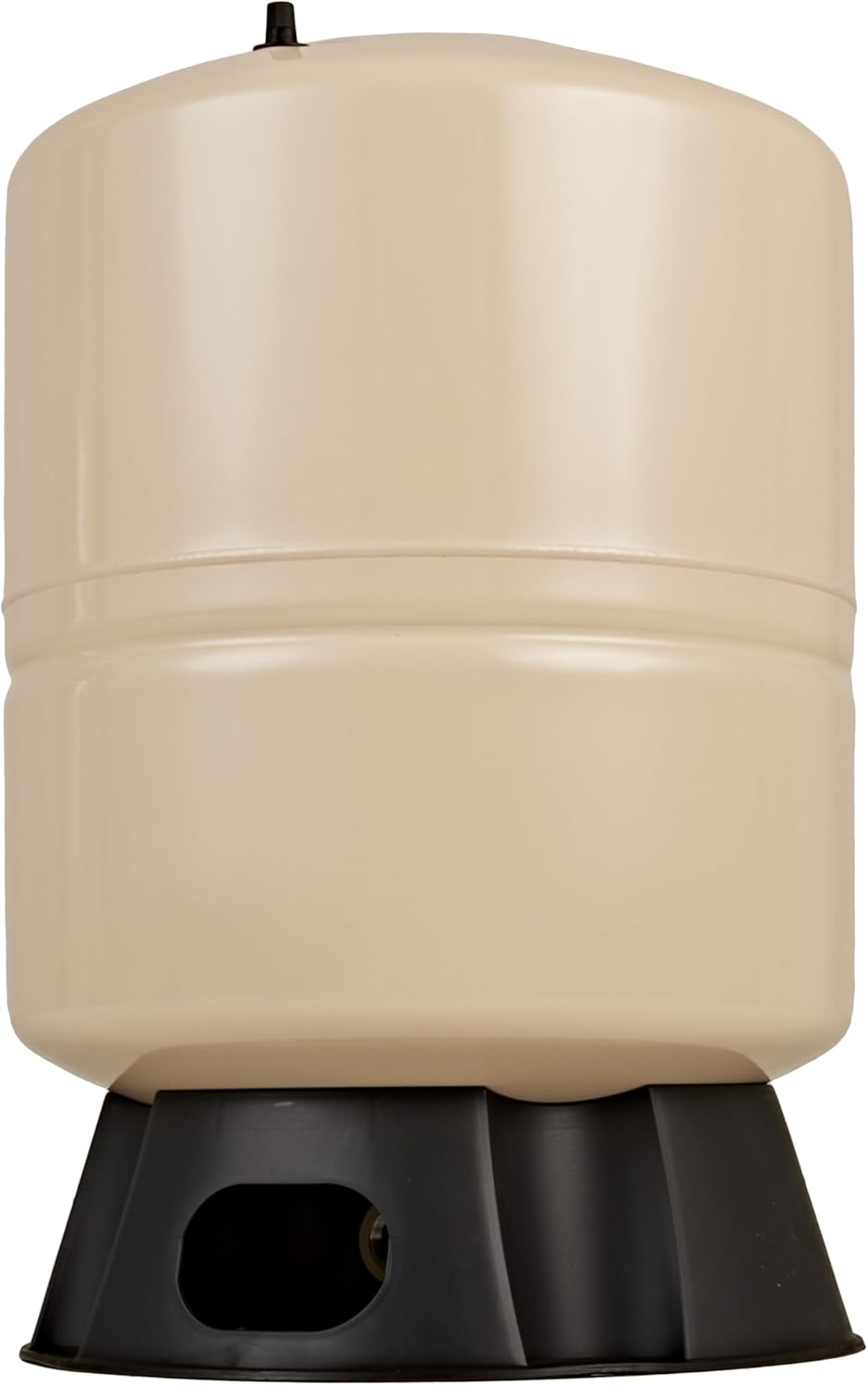
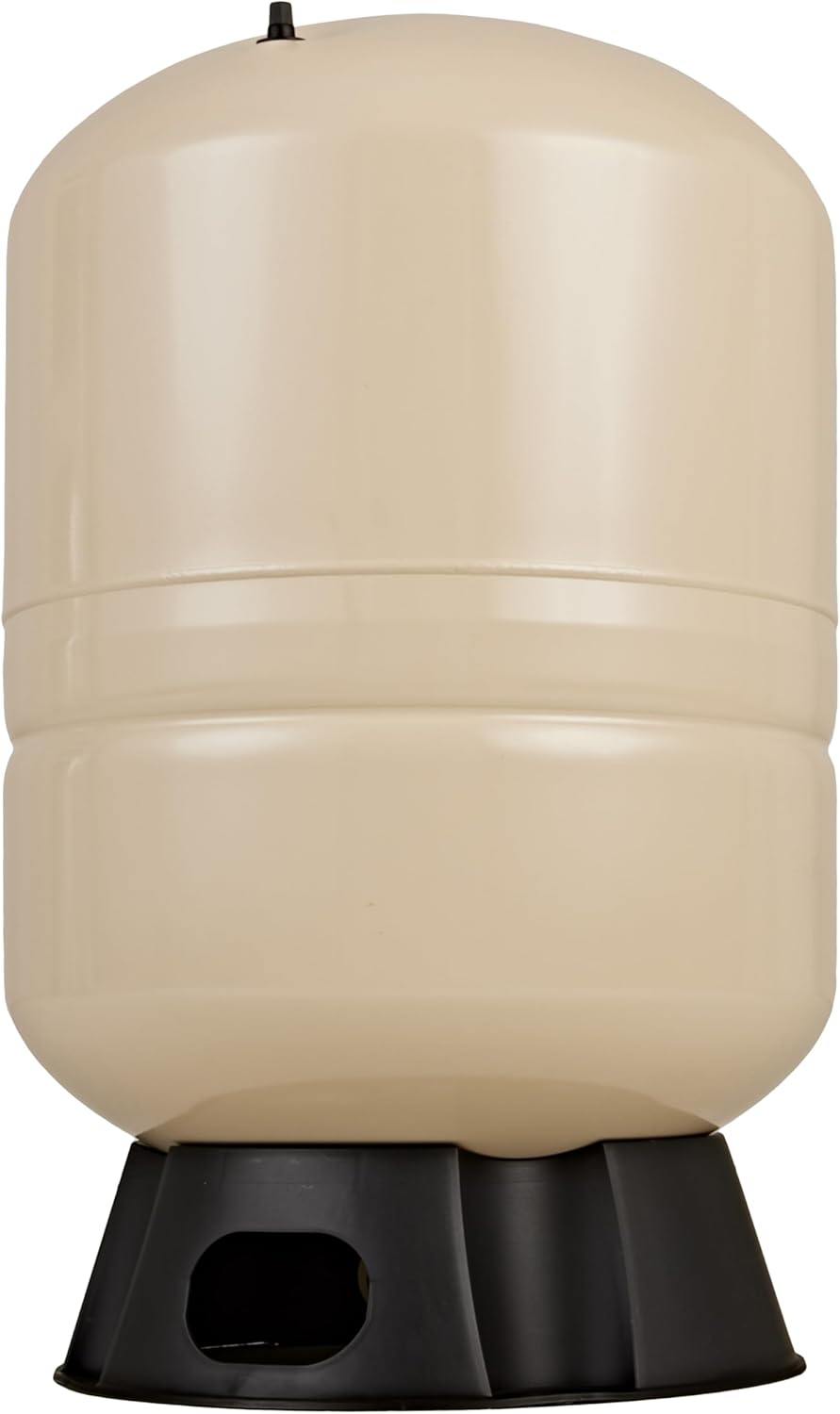
Addressing Thermal Expansion
In closed systems, heated water expands and spikes pressure even if a PRV is installed.
Installing an expansion tank absorbs this excess pressure and protects the system.
What NOT to Do
- Do not ignore relief valve dripping
- Do not assume “new pipes” are immune
- Do not cap or disable relief valves
When to Call a Professional
- If pressure exceeds 100 PSI
- If the main shutoff or PRV must be replaced
- If pressure spikes unpredictably
Preventing Future Pressure Damage
- Test pressure annually
- Replace aging regulators proactively
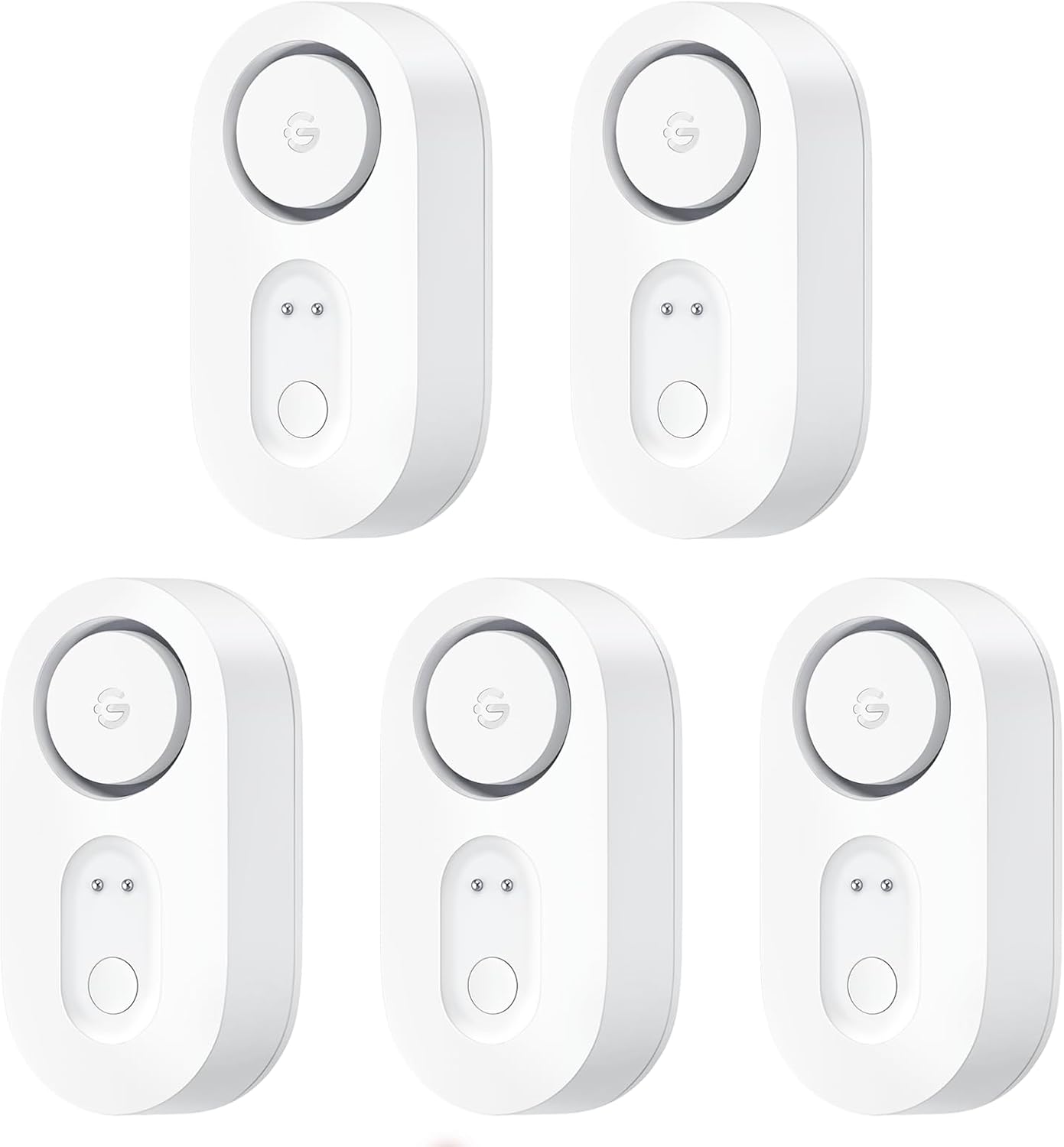
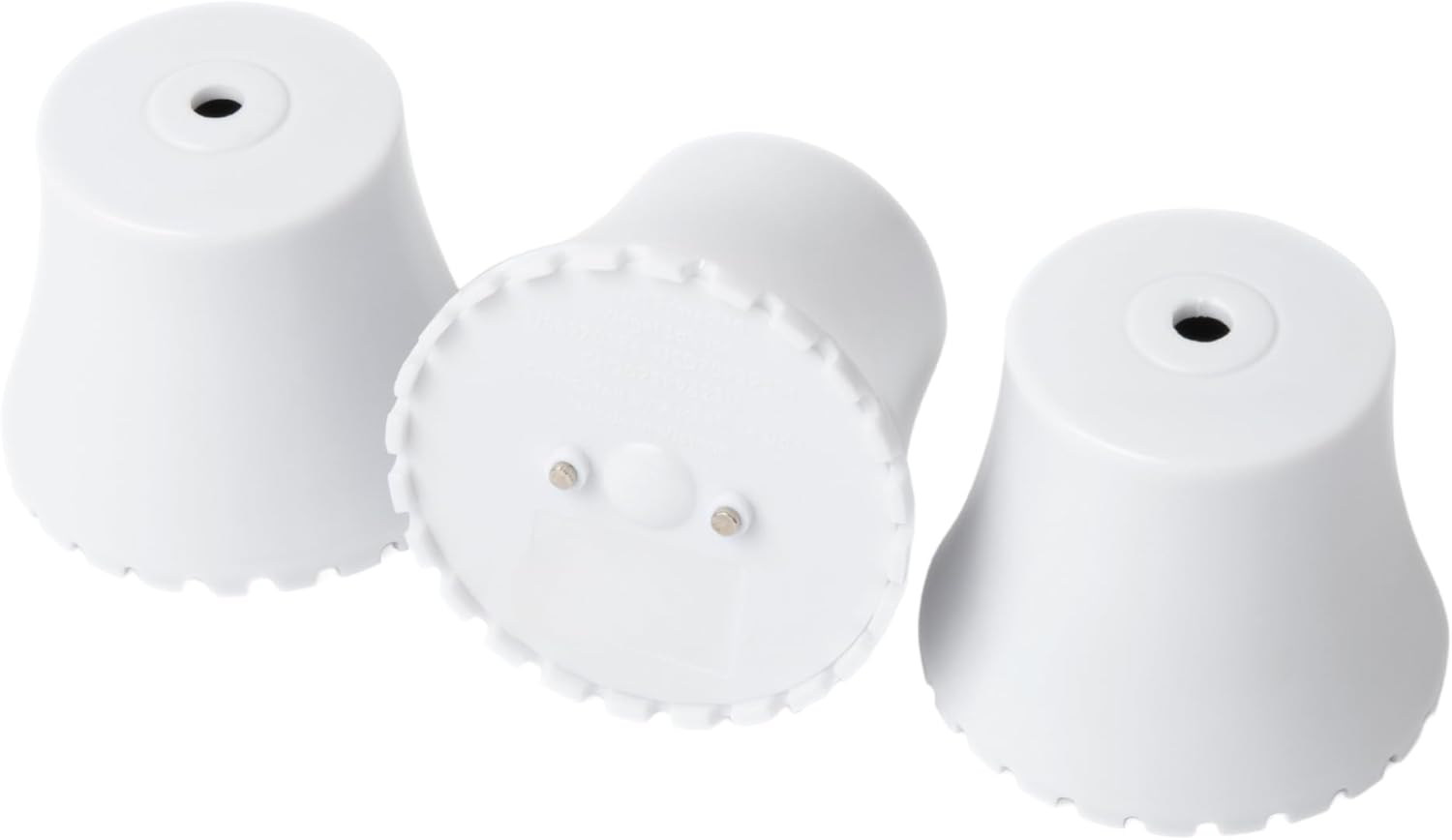
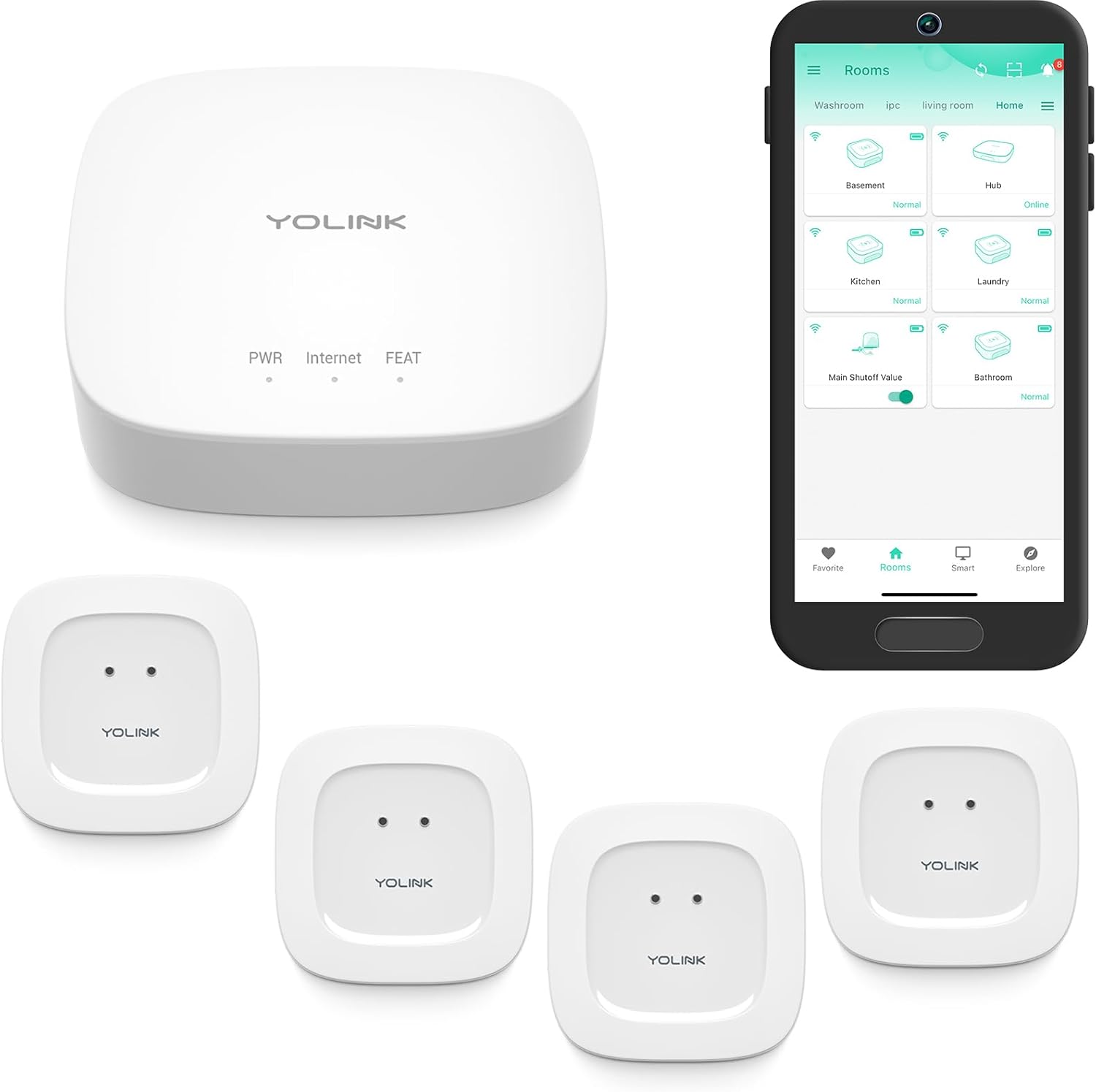
- Install leak detection for early warnings
Final Takeaway
High water pressure doesn’t announce itself — it quietly destroys plumbing until something fails. Measuring pressure, controlling it properly, and addressing expansion issues protects every pipe and appliance in your home.
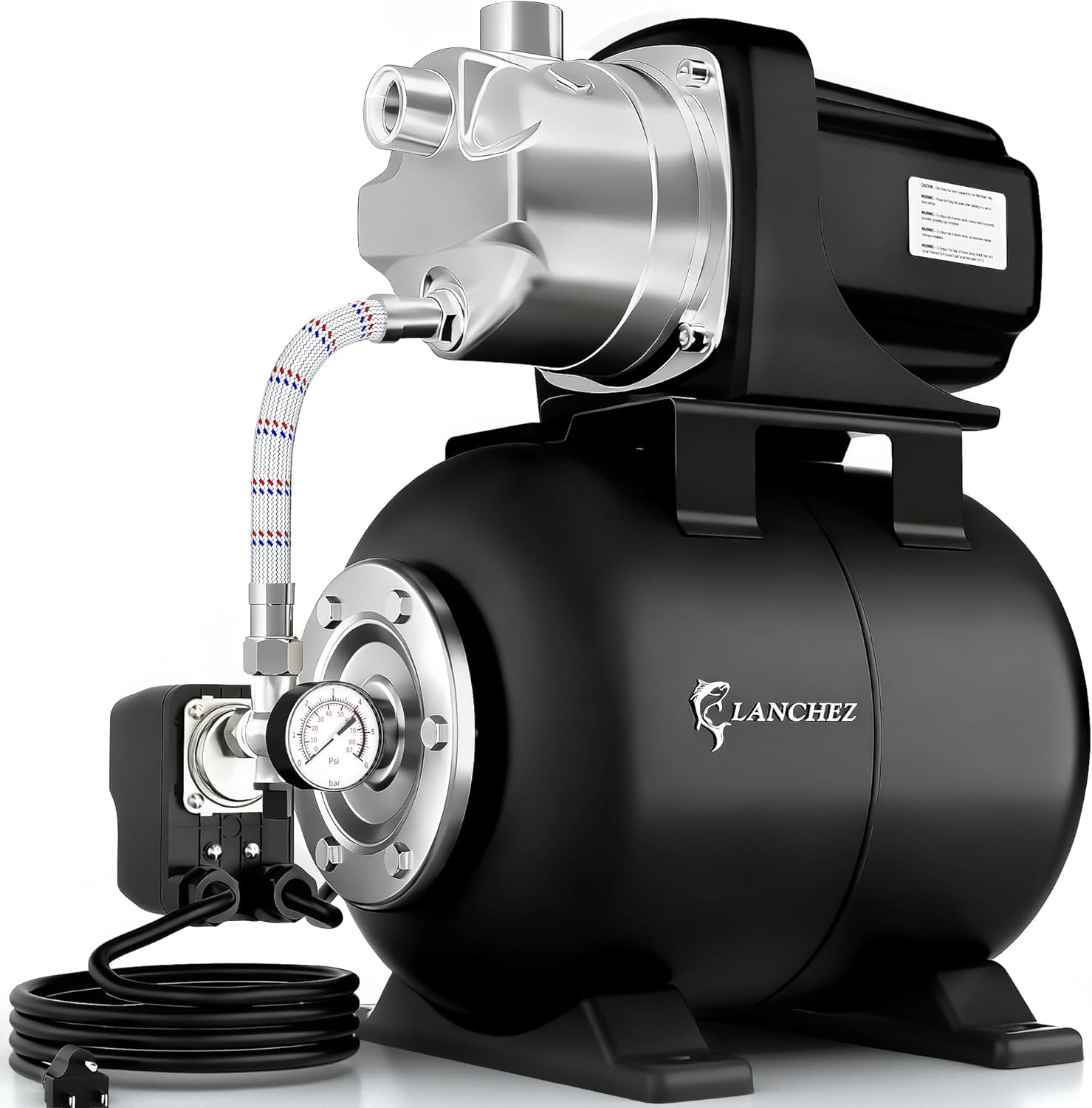
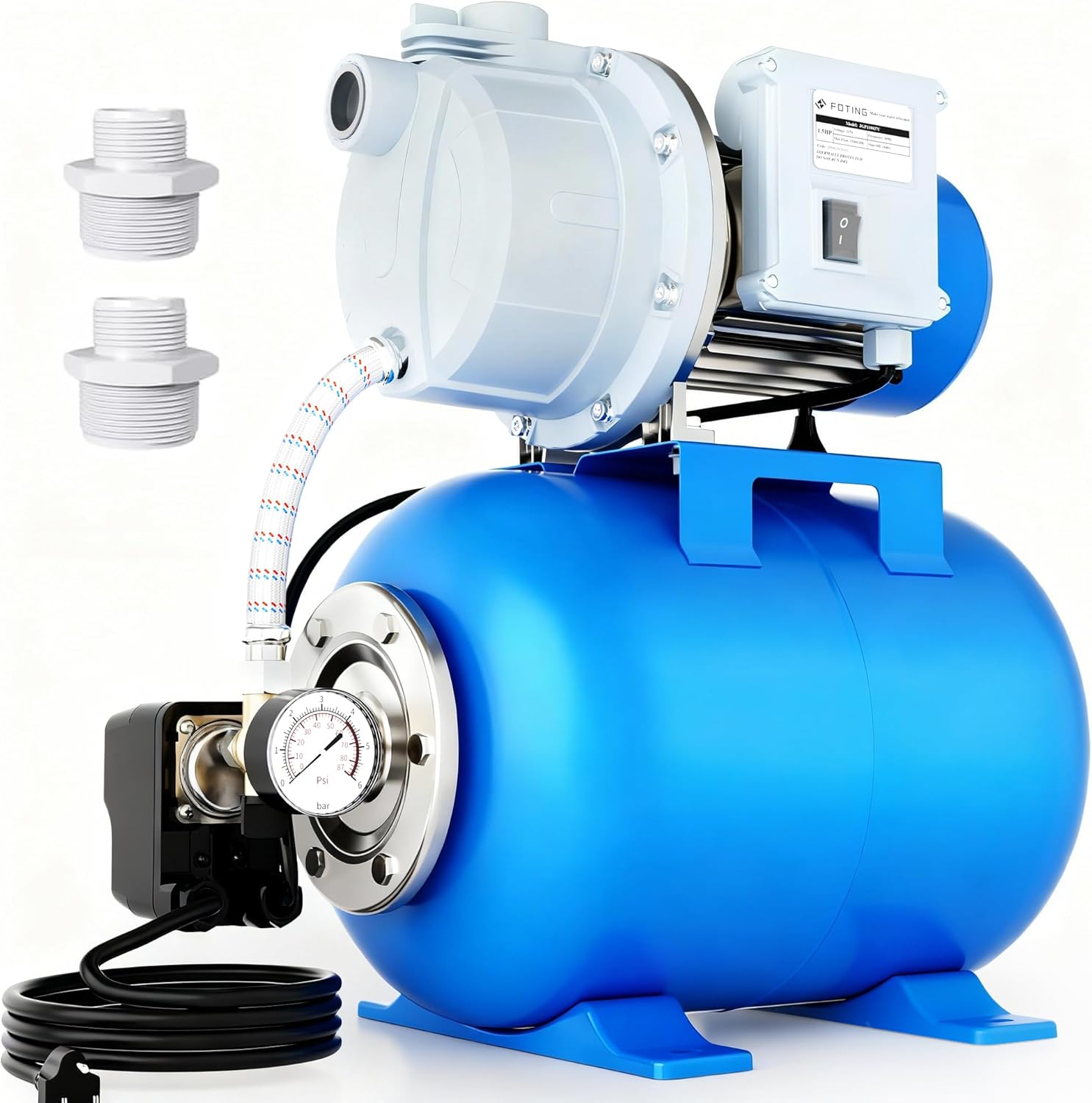
Related Products