Low Water Flow at One Faucet: How to Find the Restriction and Fix It
Low water flow at a single faucet is one of the most solvable plumbing problems — if you approach it logically. Because other fixtures work fine, the issue is almost never system pressure or your water supplier.
The mistake most people make is replacing the faucet immediately. In reality, most single-fixture flow problems are caused by debris or partially failed components upstream of the spout.
This guide explains:
- How water reaches an individual faucet
- Where flow commonly gets restricted
- A step-by-step diagnosis you can do safely
- The fixes that restore full flow without guesswork
How Water Gets to a Single Faucet
Each faucet is fed by:
- Hot and cold shutoff valves
- Flexible supply lines
- Internal faucet passages
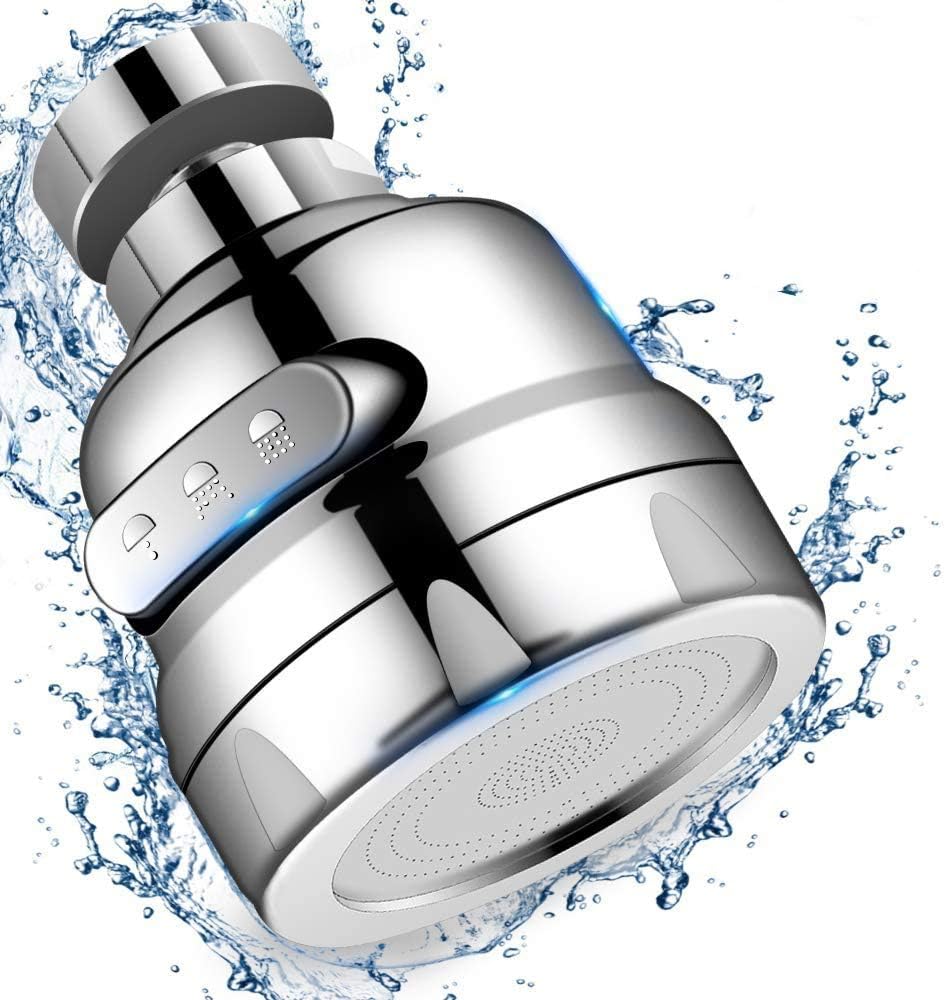
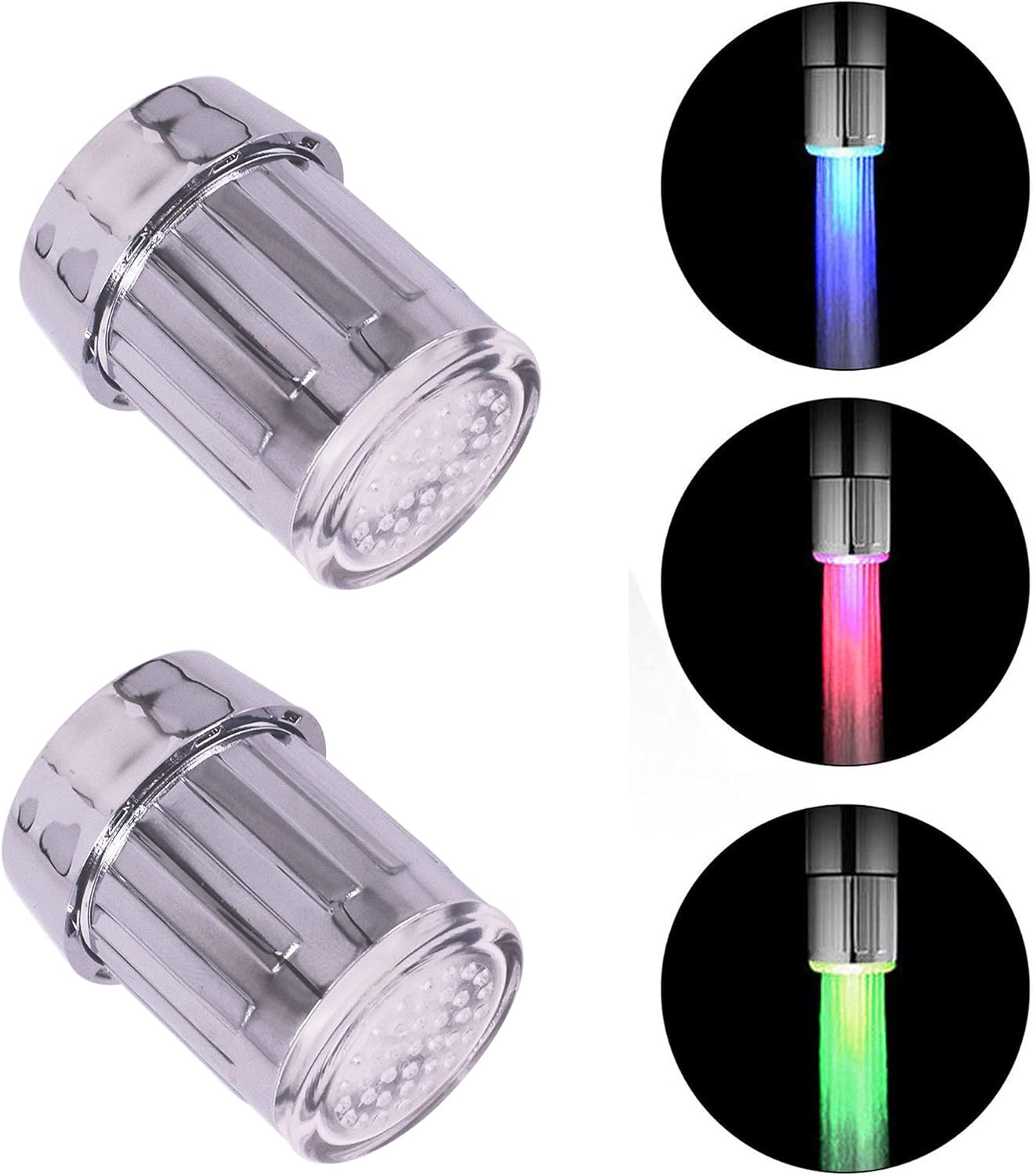
- The aerator at the spout
A restriction at any point reduces flow — even if pressure elsewhere is normal.
The Most Common Causes of Low Flow at One Faucet
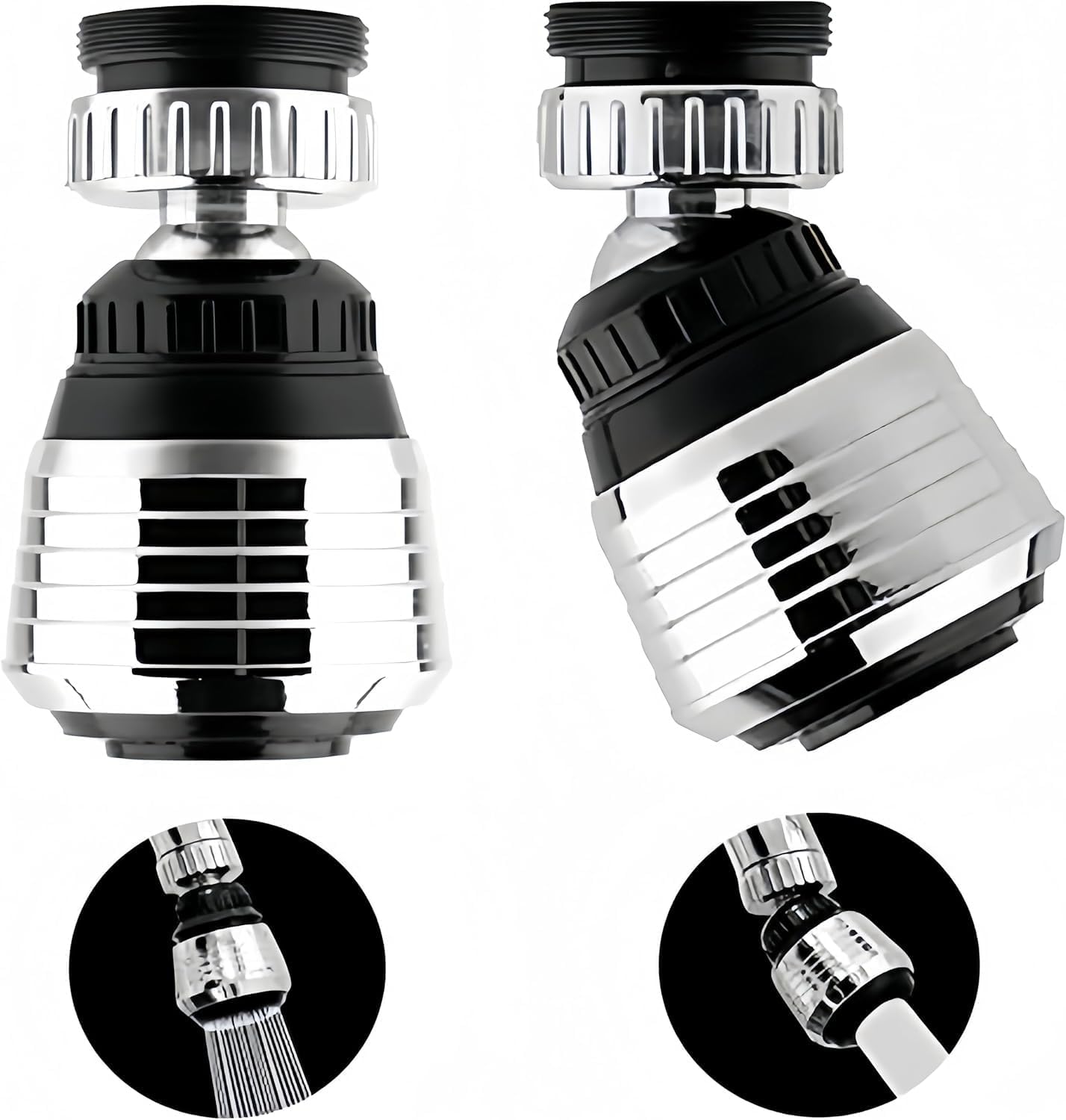
1. Clogged Aerator (Most Common)
Aerators trap sediment and debris by design.
- Mineral scale
- Pipe debris
- Construction residue

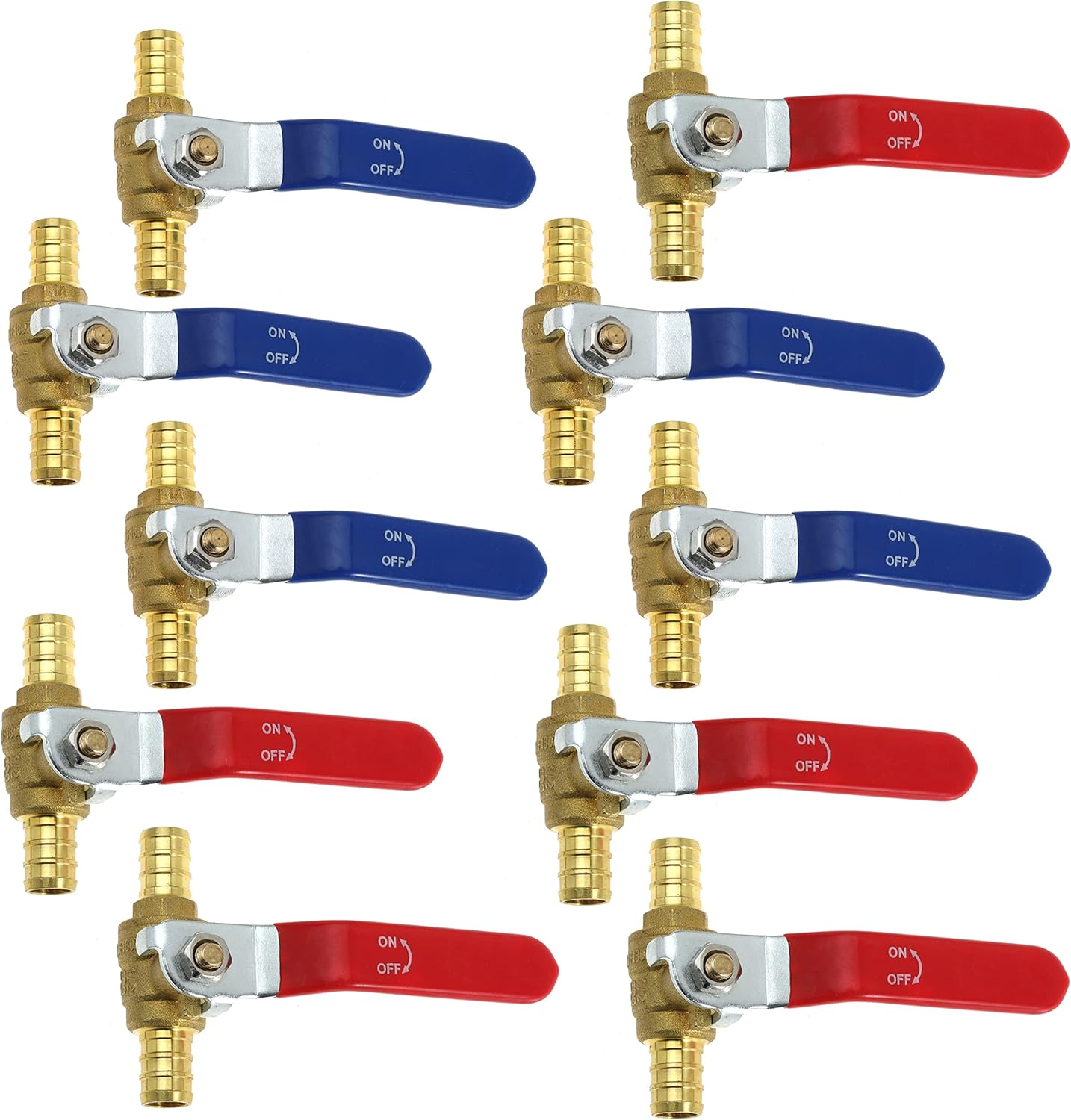
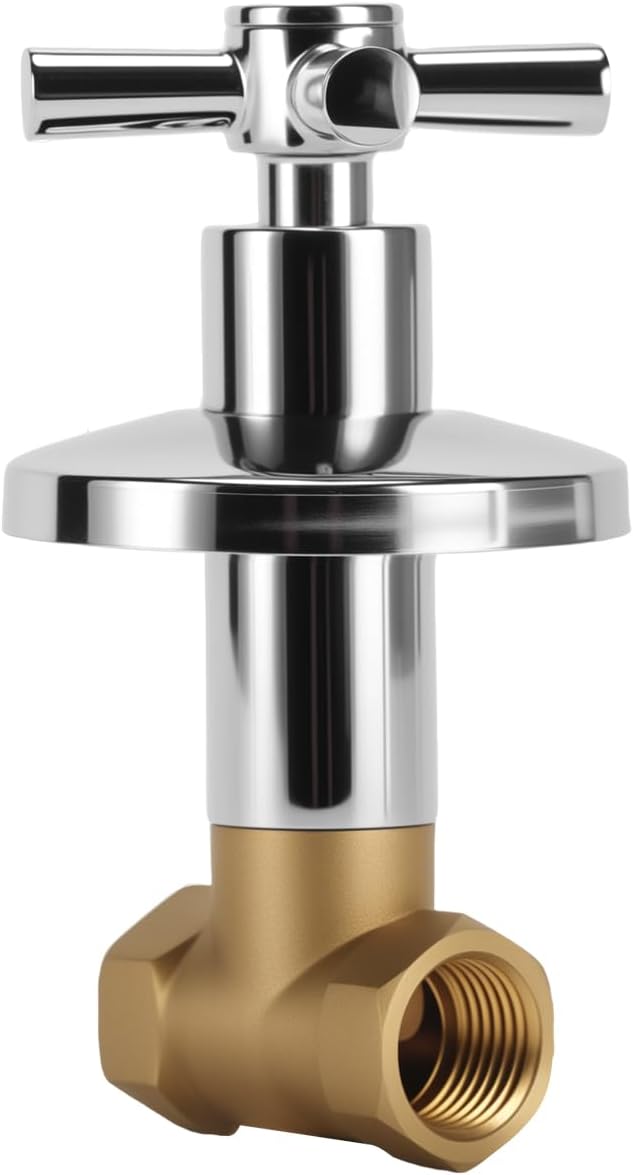
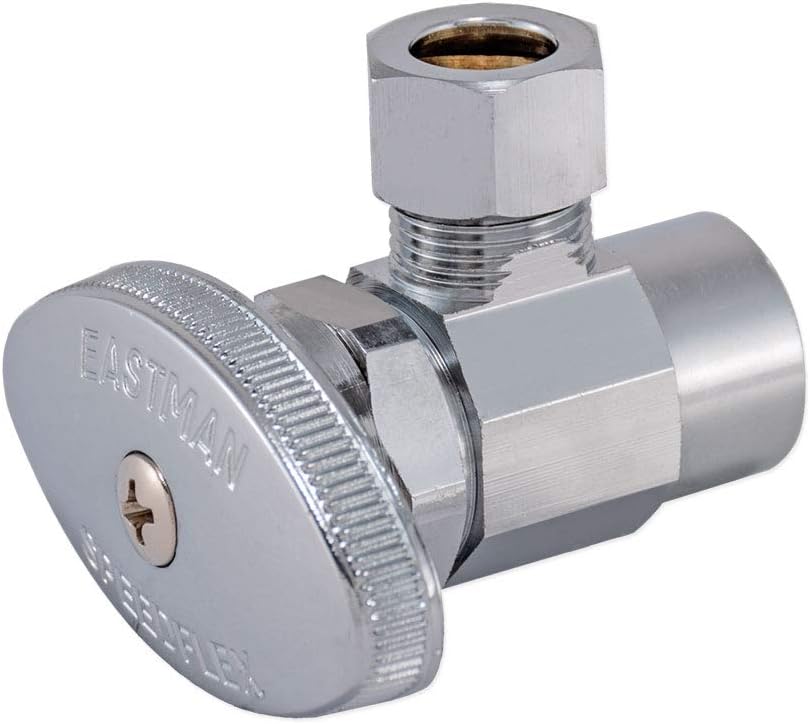
2. Partially Closed or Failing Shutoff Valve
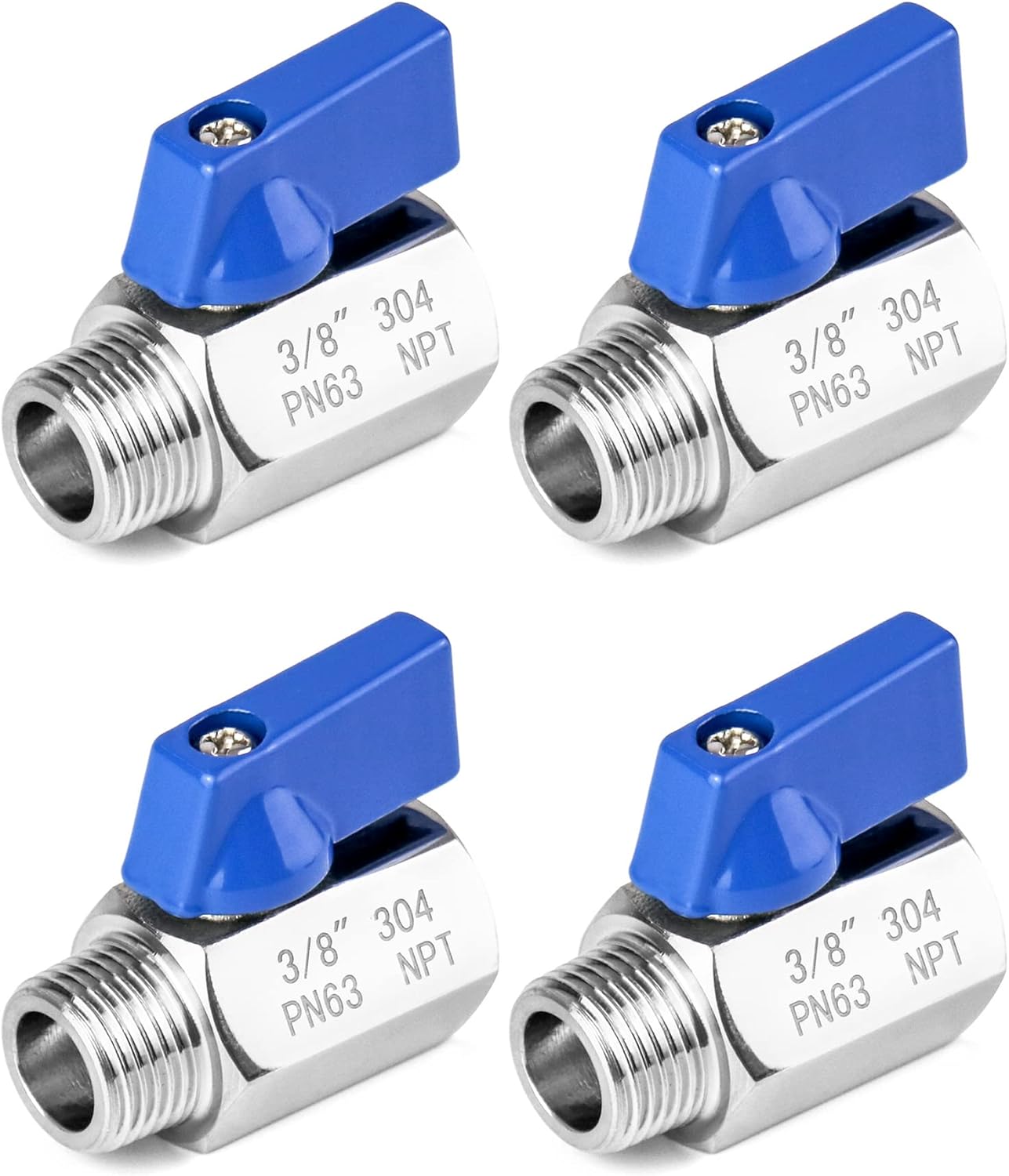
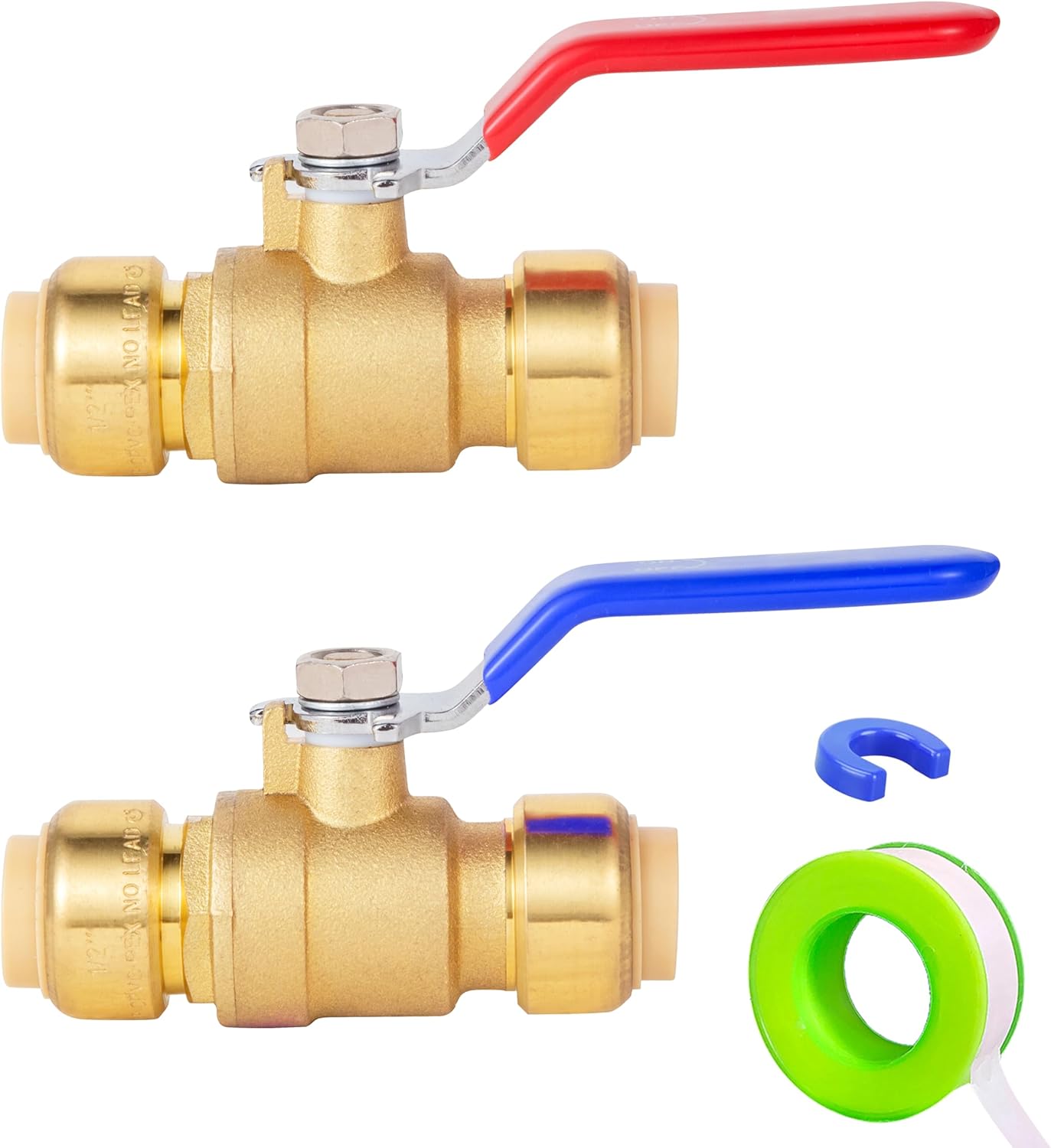
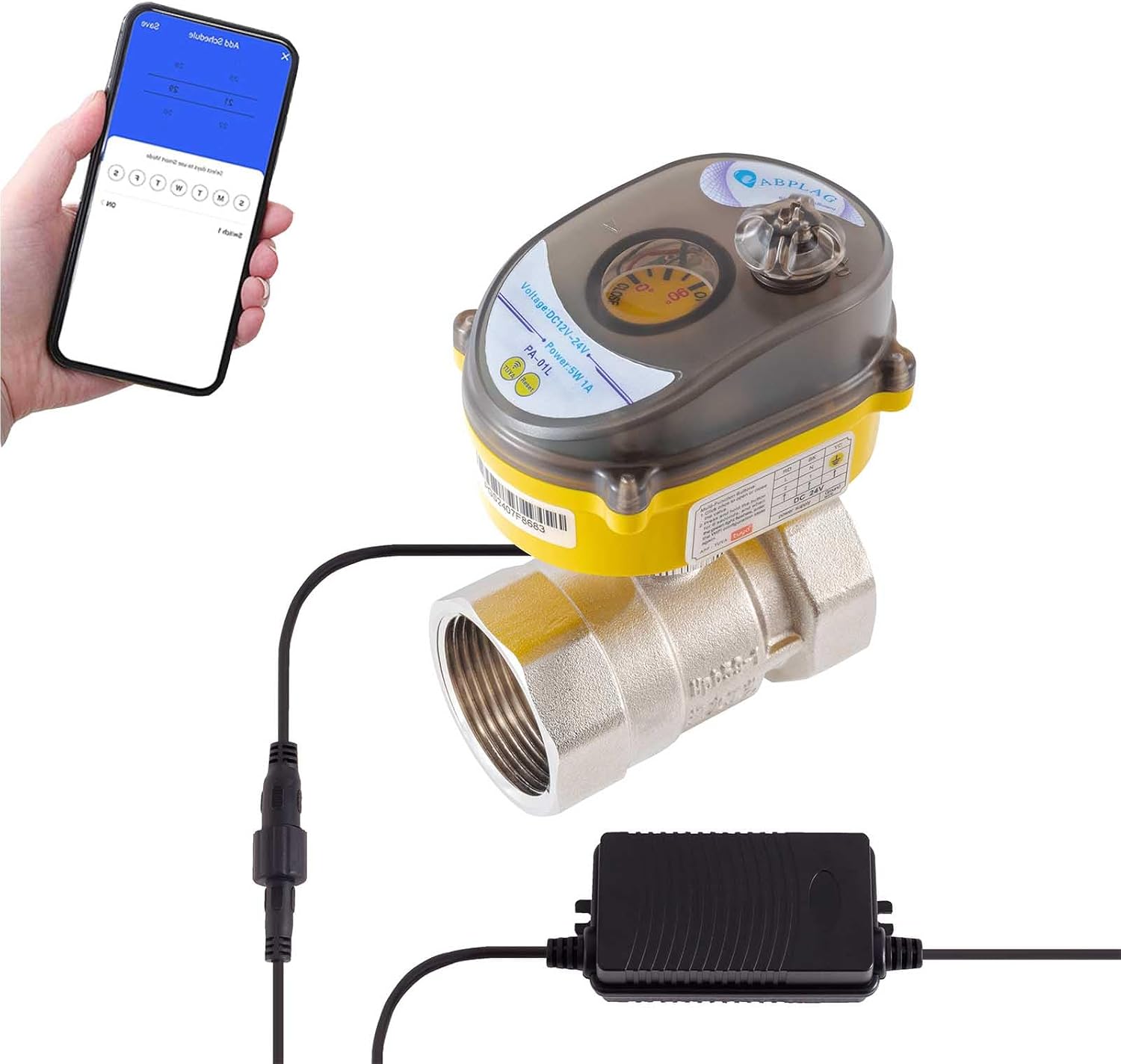
Shutoff valves corrode internally and may not open fully.
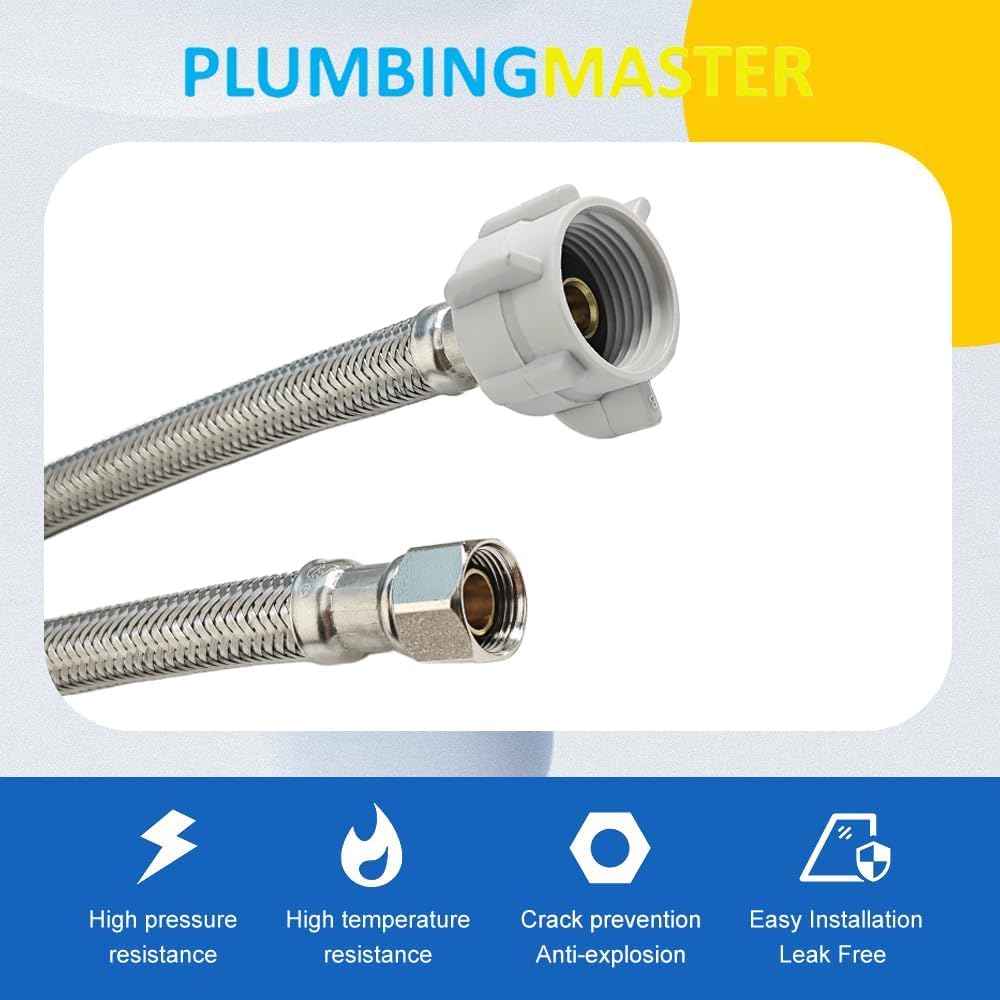
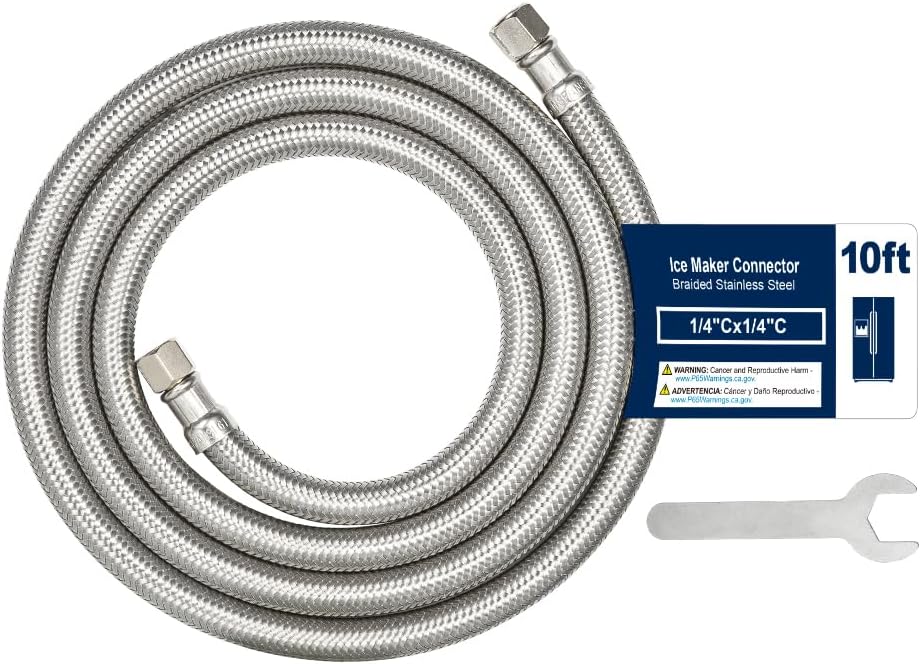
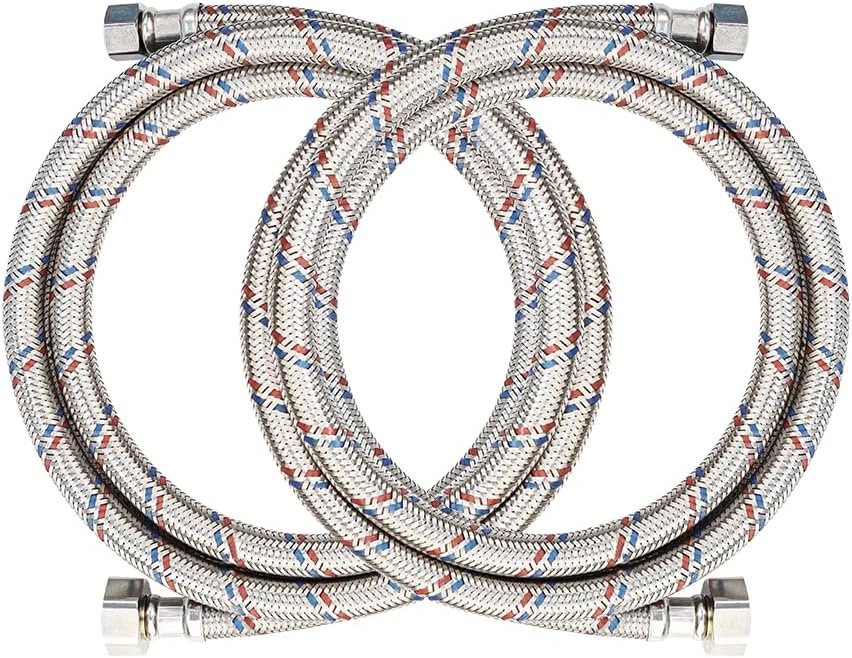
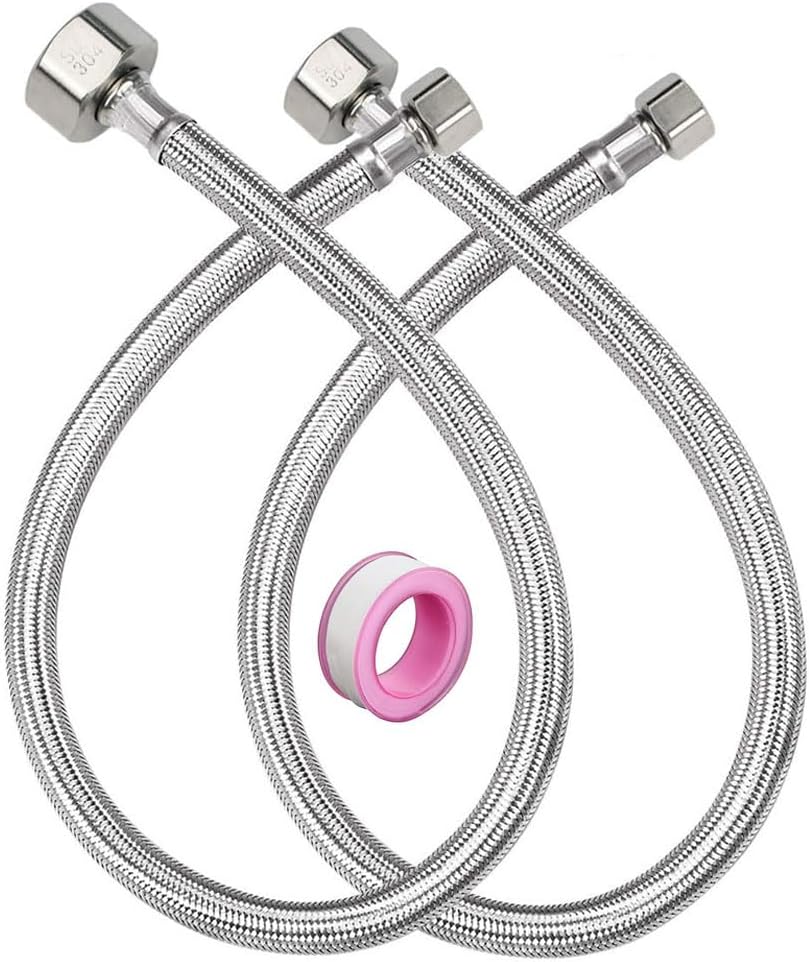
3. Restricted Supply Line
Flexible lines can collapse or clog internally.
4. Faucet Cartridge or Internal Passage Blockage
Sediment can clog internal ports, especially after plumbing work.
Step-by-Step Diagnosis (Do This in Order)
Step 1: Remove and Inspect the Aerator
Unscrew the aerator and test flow briefly without it.
- Normal flow → clean or replace aerator
- No improvement → continue diagnosis
Step 2: Check Hot vs Cold Flow
Determine if one side is weaker.
- One side weak → localized restriction
- Both weak → shared component issue
Step 3: Inspect Shutoff Valves
Turn valves fully open and closed once to clear debris.
Step 4: Replace the Supply Lines
Supply lines are inexpensive and frequently overlooked.
Step 5: Inspect the Faucet Cartridge
Cartridges are wear items and clog easily.
Why Replacing the Faucet First Is Often Wrong
Replacing the faucet without addressing upstream restrictions:
- Fails to restore flow
- Leaves the real problem unresolved
- Wastes money
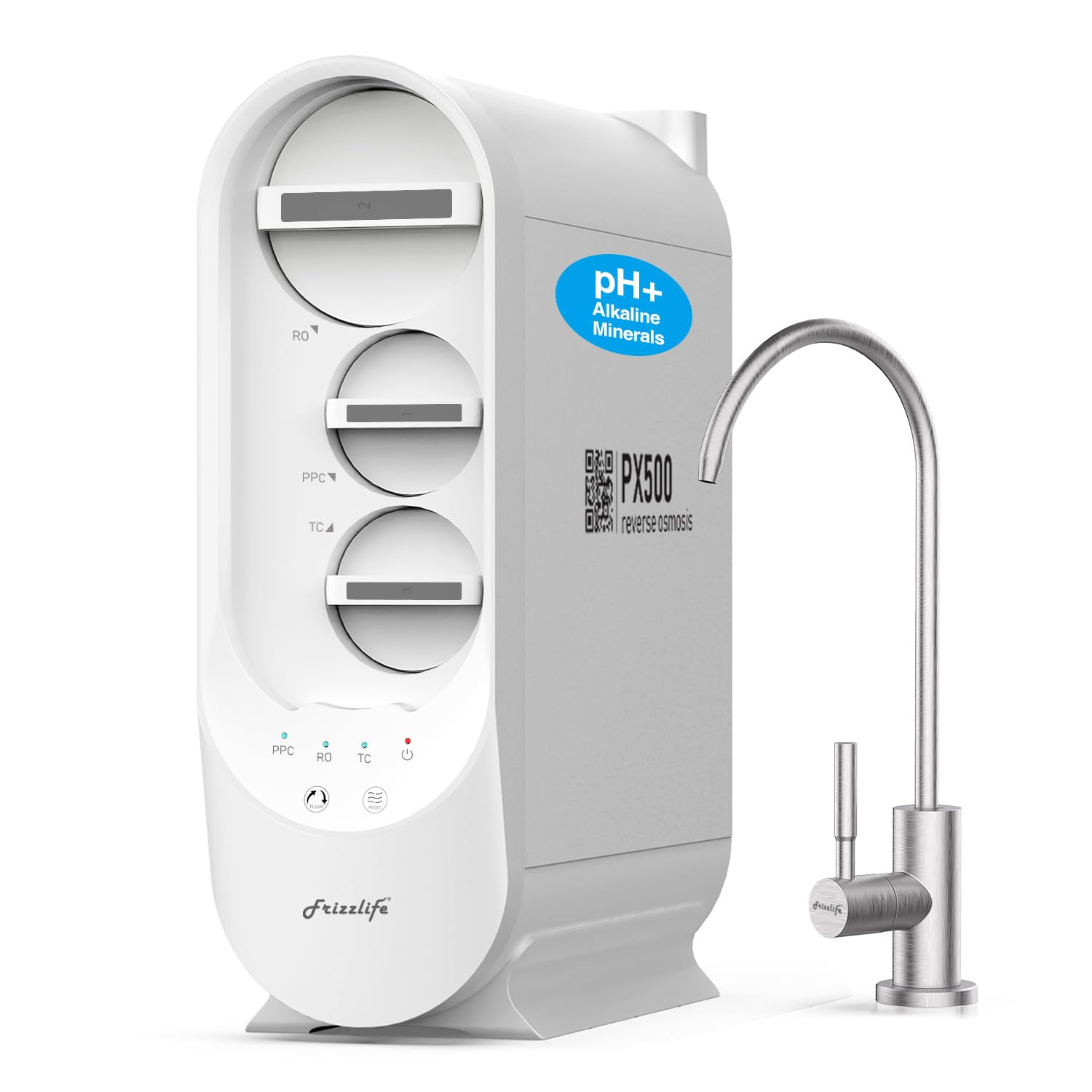
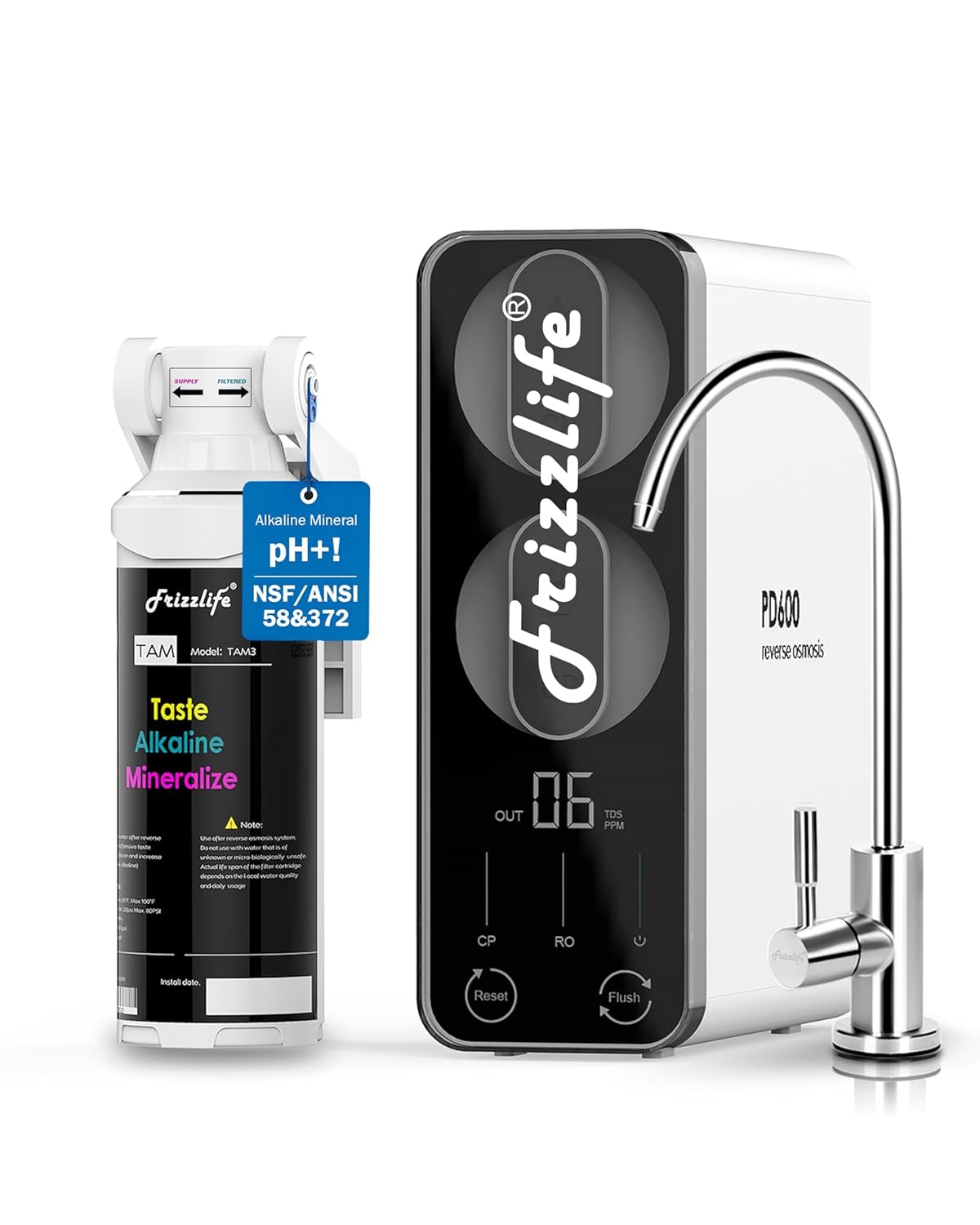
When Filtration Matters
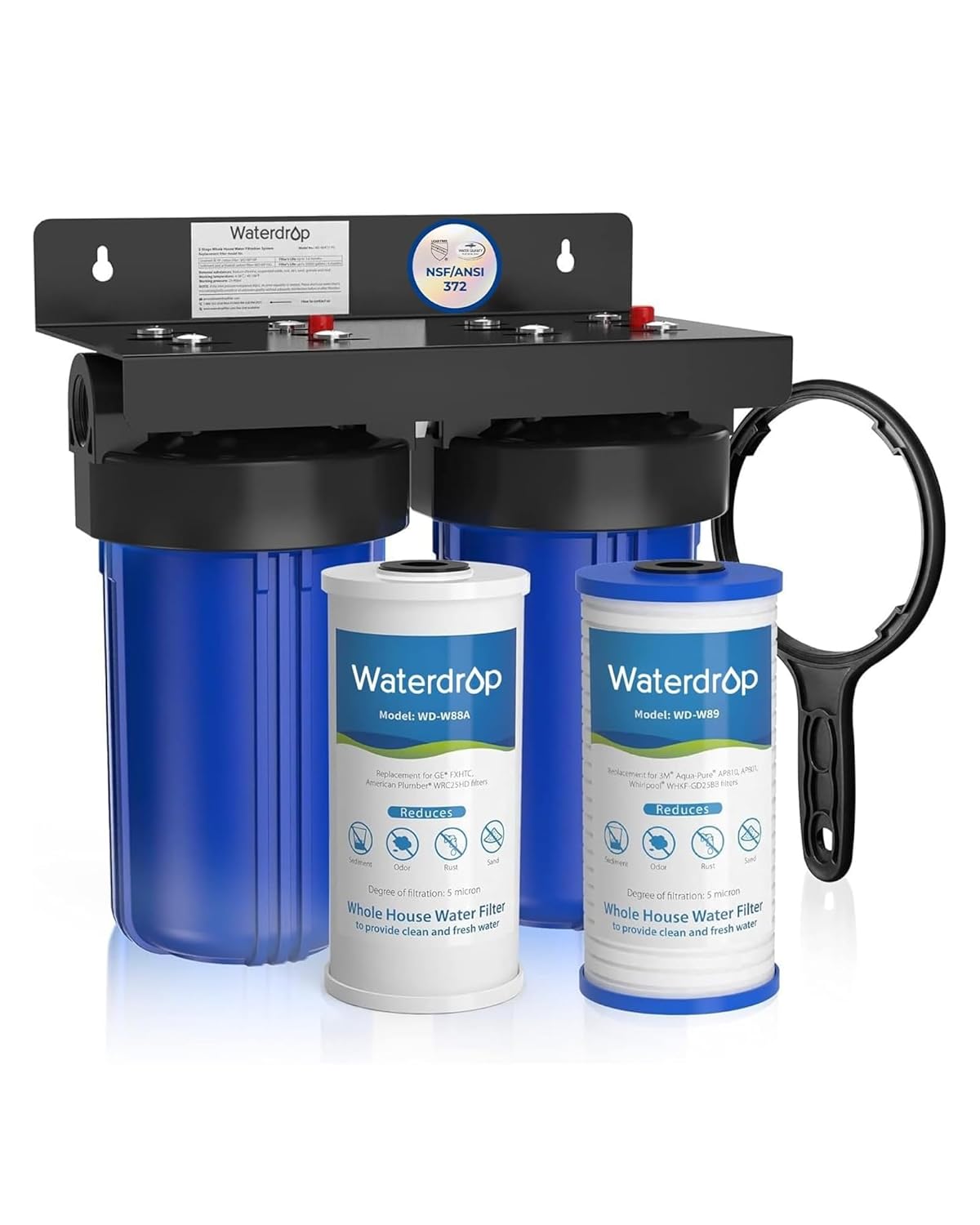
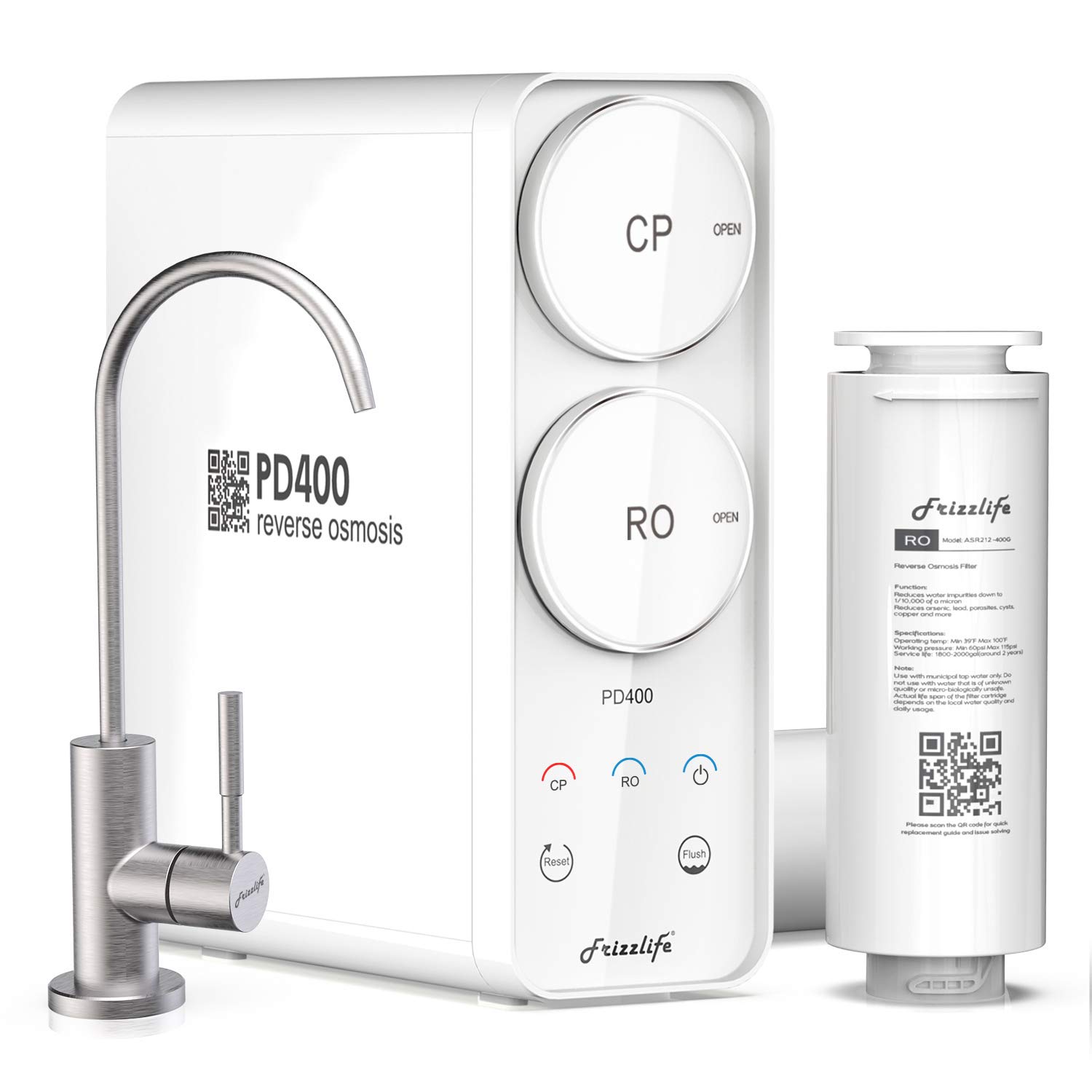
Recurring aerator or cartridge clogging usually means sediment is entering the system.
What NOT to Do
- Do not drill out aerators
- Do not oversize supply lines
- Do not ignore repeat clogging
Preventing Low-Flow Problems Long-Term
- Flush lines after plumbing work
- Use whole-house sediment filtration
- Replace aging shutoff valves
Final Takeaway
Low flow at one faucet is a restriction problem, not a pressure problem. Tracing the flow path step by step finds the restriction quickly — and fixes it without unnecessary replacements.
Related Products