Low Water Pressure in the House: Causes, Fixes, and When to Call a Pro
Low water pressure is one of the most common household water complaints, and it’s also one of the most misunderstood. Many homeowners assume weak pressure is “normal,” especially in older houses or rural areas, but in reality it almost always points to a specific and fixable issue.
Low pressure doesn’t just affect comfort. It reduces appliance performance, shortens water heater lifespan, and can mask serious problems like hidden leaks or failing pressure regulators.
This guide walks through how household water pressure is supposed to work, the most common real-world causes of low pressure, and a step-by-step process to diagnose and fix the problem without guessing or wasting money.
How Household Water Pressure Is Supposed to Work
Residential plumbing systems are designed to operate within a specific pressure range. In most homes, normal static water pressure should fall between <B>40 and 60 PSI</B>, with <B>80 PSI</B> considered the upper safe limit.
Water pressure enters your home from one of two sources:
- Municipal supply: Pressure is generated by city pumping stations and regulated before entering the house.
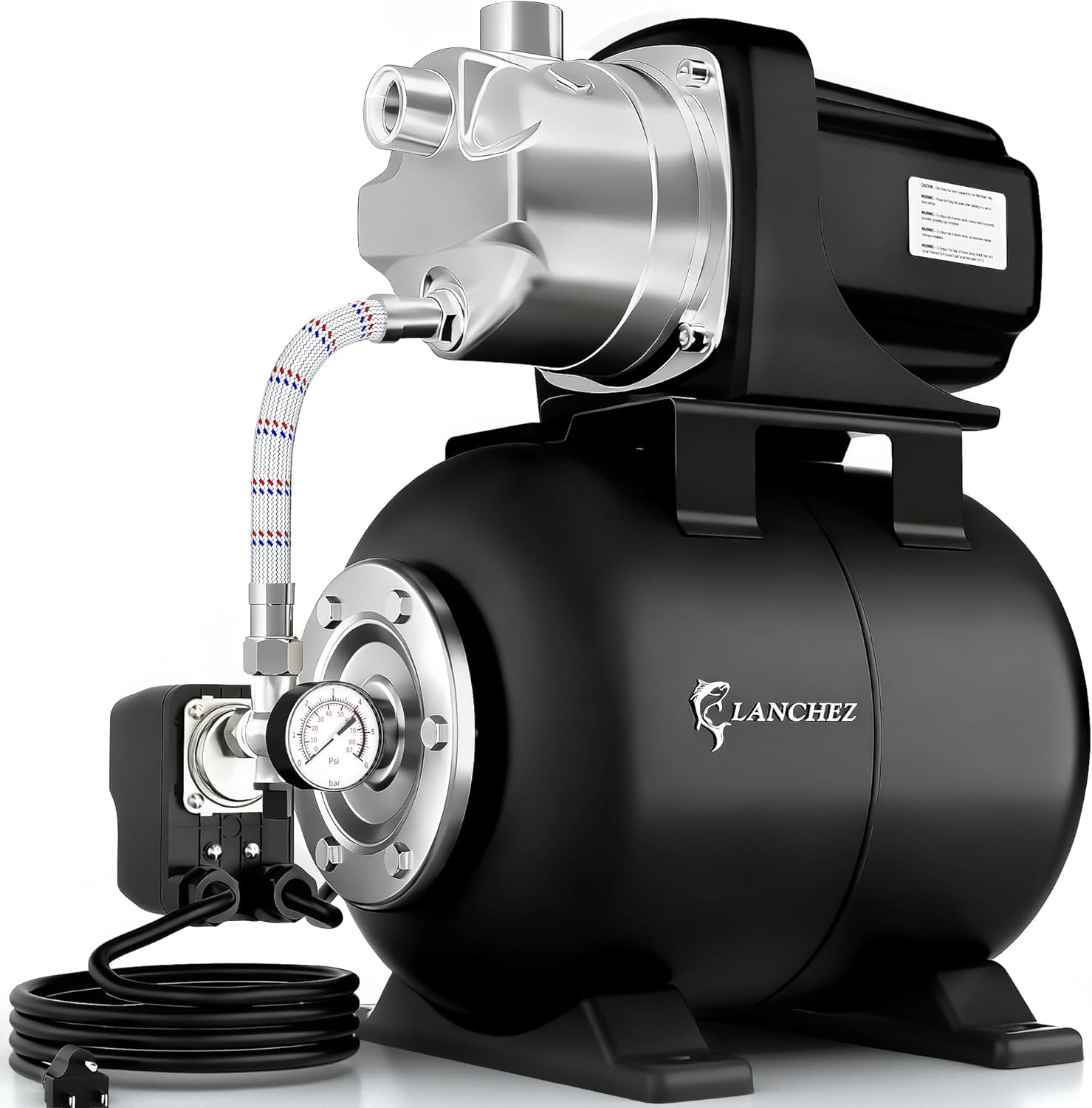
- Private well: A pump creates pressure, and a pressure tank stores it for household use.
Once inside the home, pressure flows through:
- Main shutoff valve
- Pressure-reducing valve (if installed)
- Distribution piping
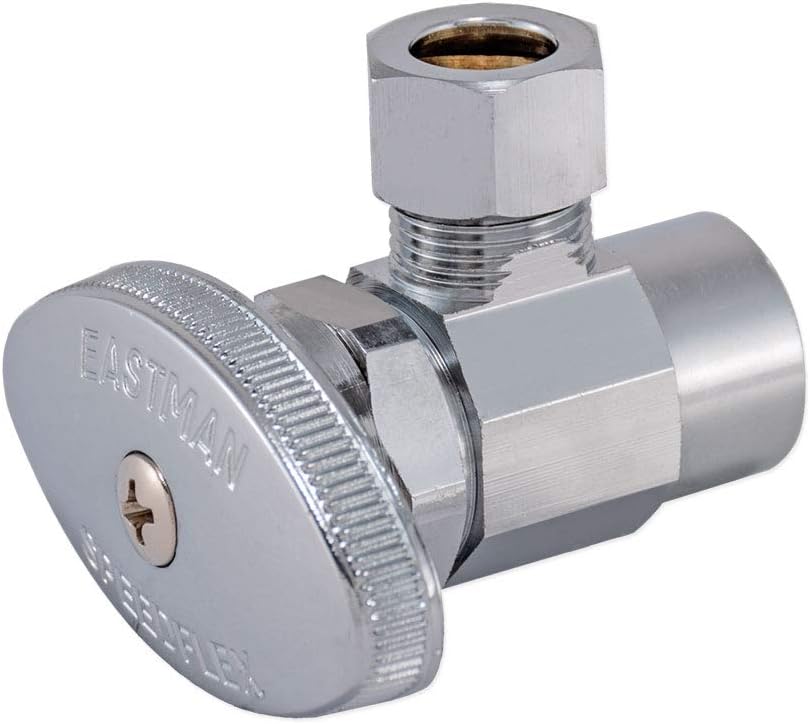
- Fixture shutoff valves and faucets
Any restriction, leak, or failing component along this path reduces usable pressure at your fixtures.
The Most Common Causes of Low Water Pressure
1. Partially Closed Main Shutoff Valve
This is the simplest and most overlooked cause of whole-house low pressure. After plumbing work or meter servicing, the main valve is often reopened only partway.
Even a valve that’s 80% open can significantly restrict flow.
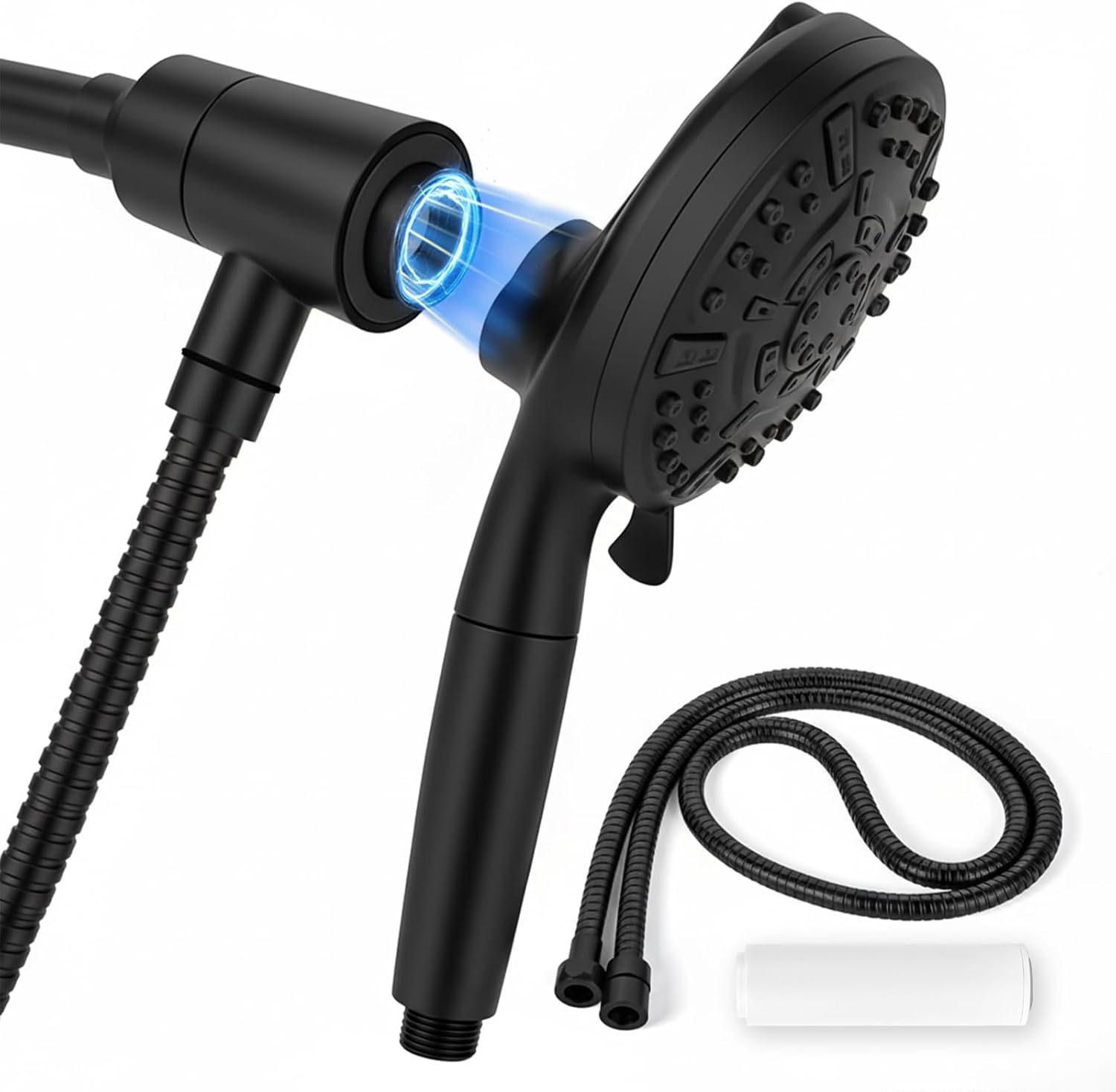
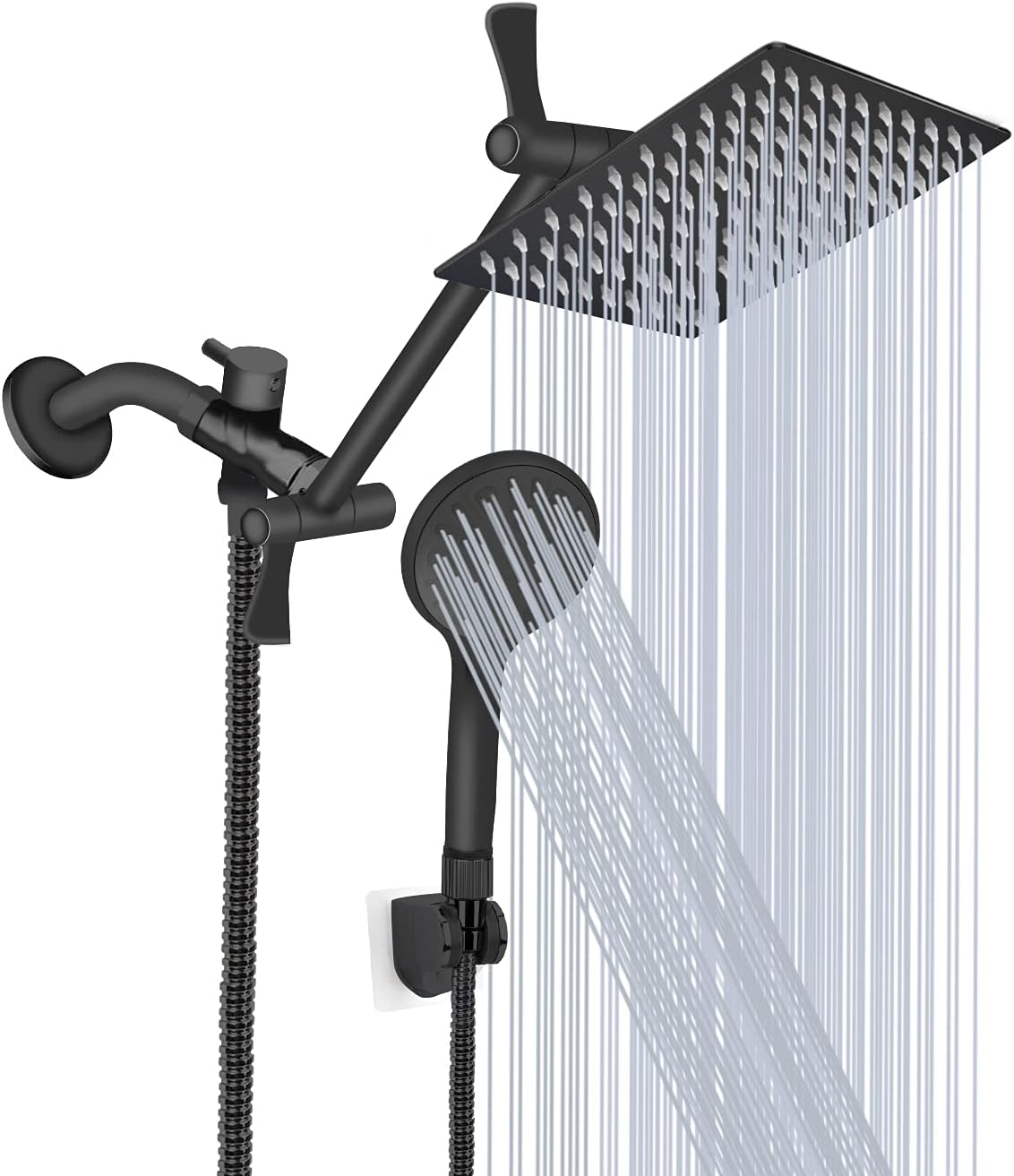
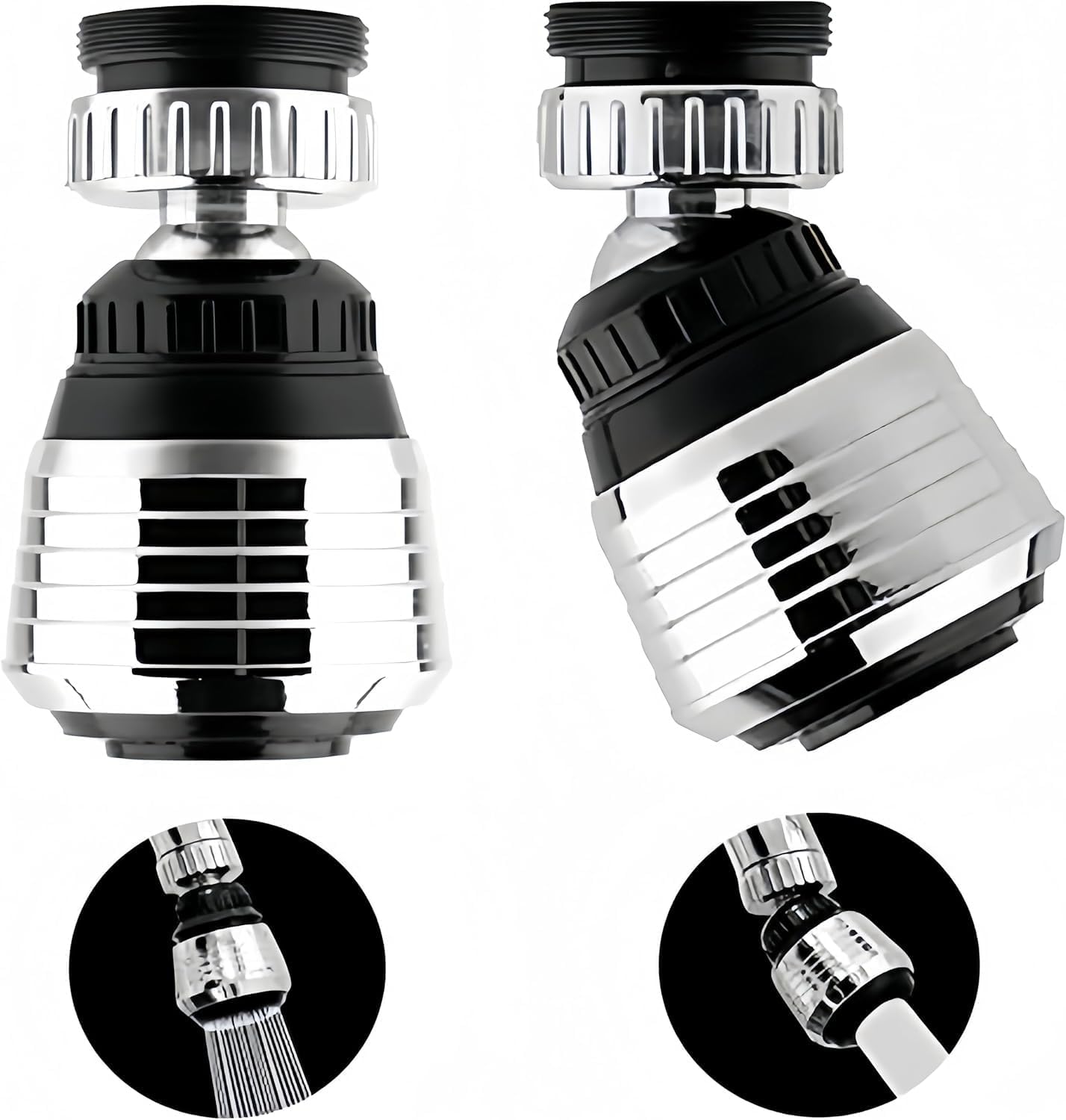
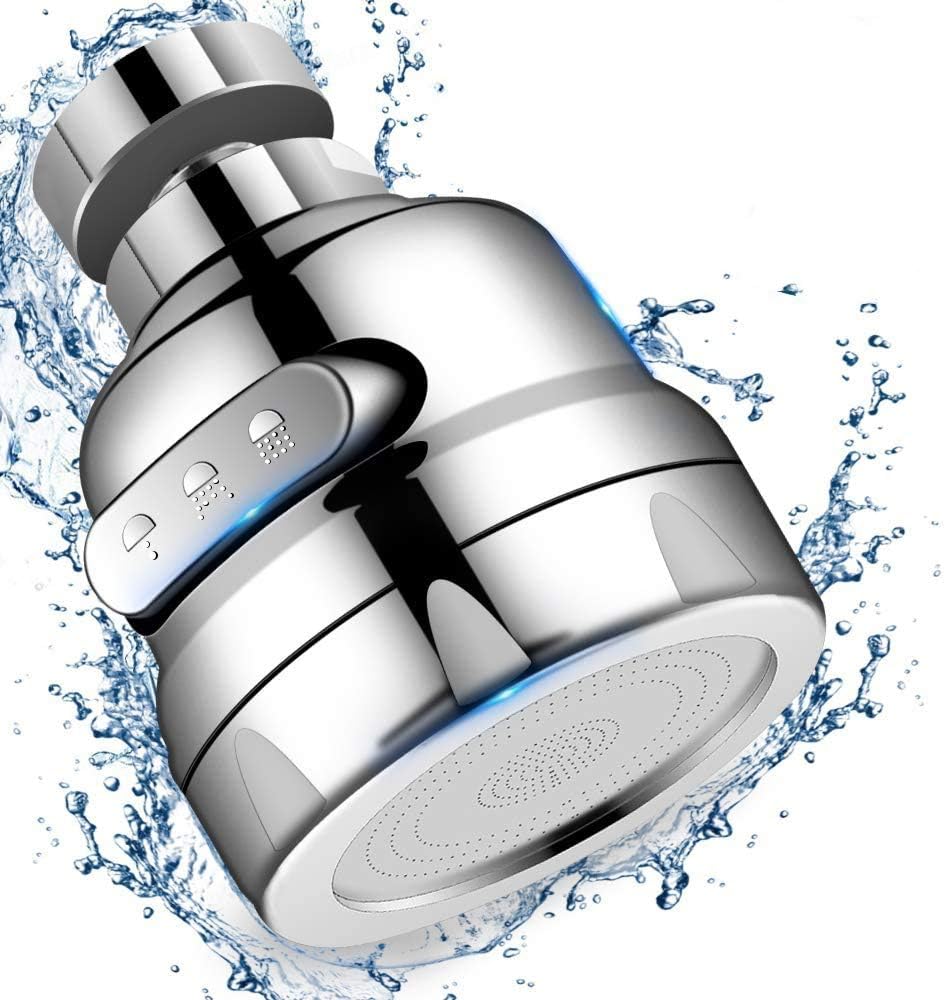
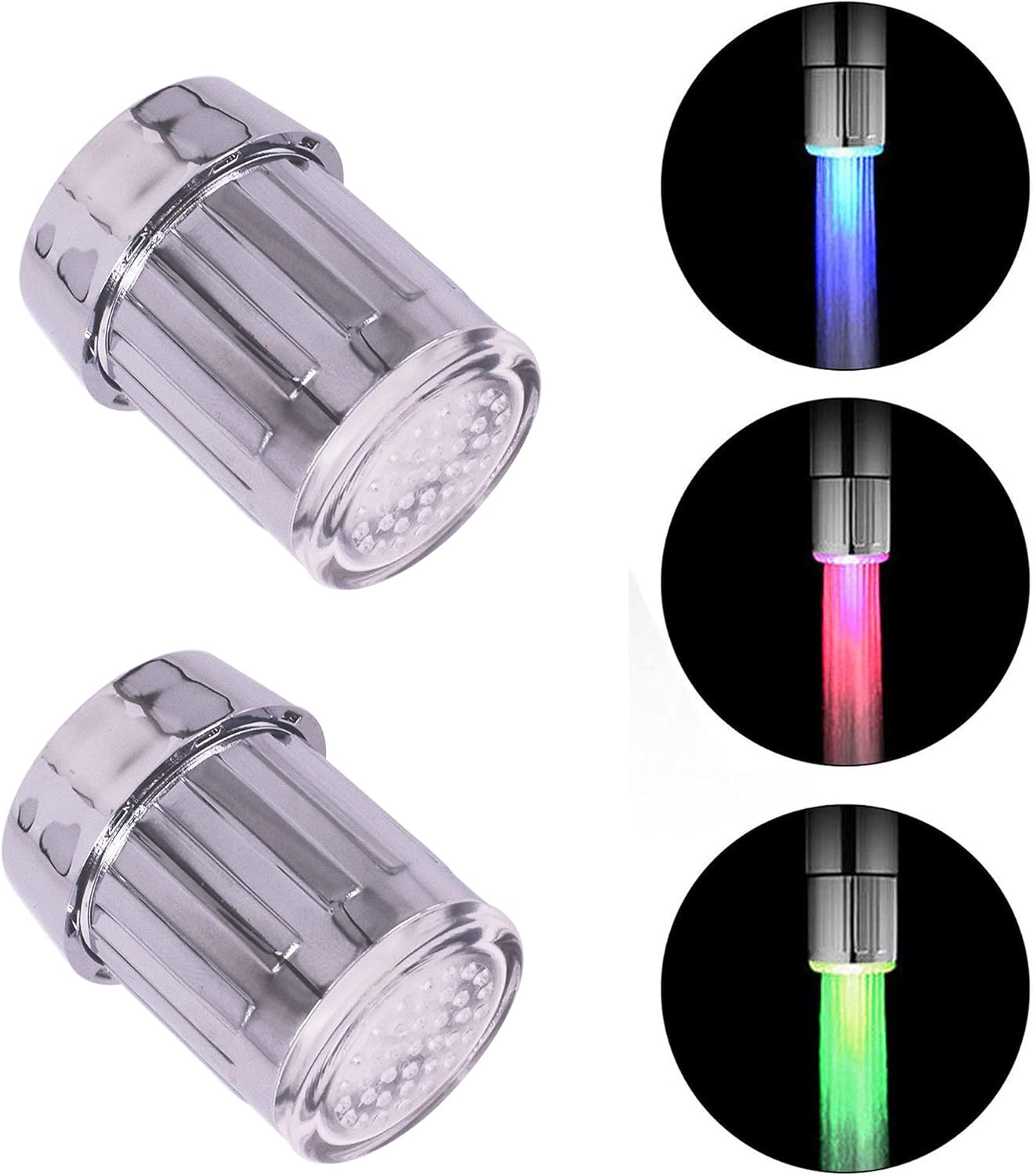
2. Clogged Aerators and Showerheads
Mineral buildup from hard water slowly reduces flow at the fixture itself. This creates the illusion of low pressure even when system pressure is normal.
This usually affects only one faucet or shower at a time.

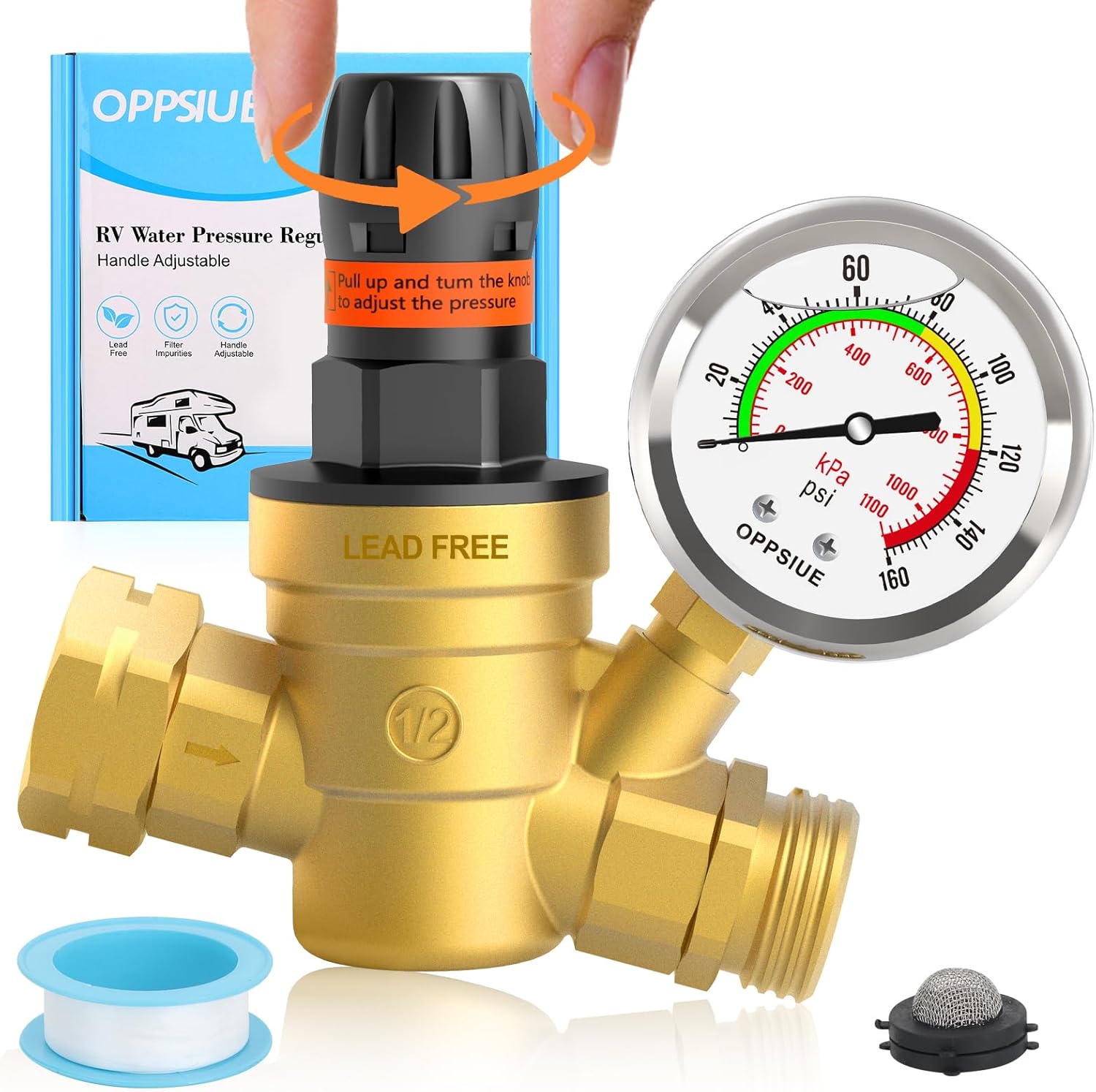
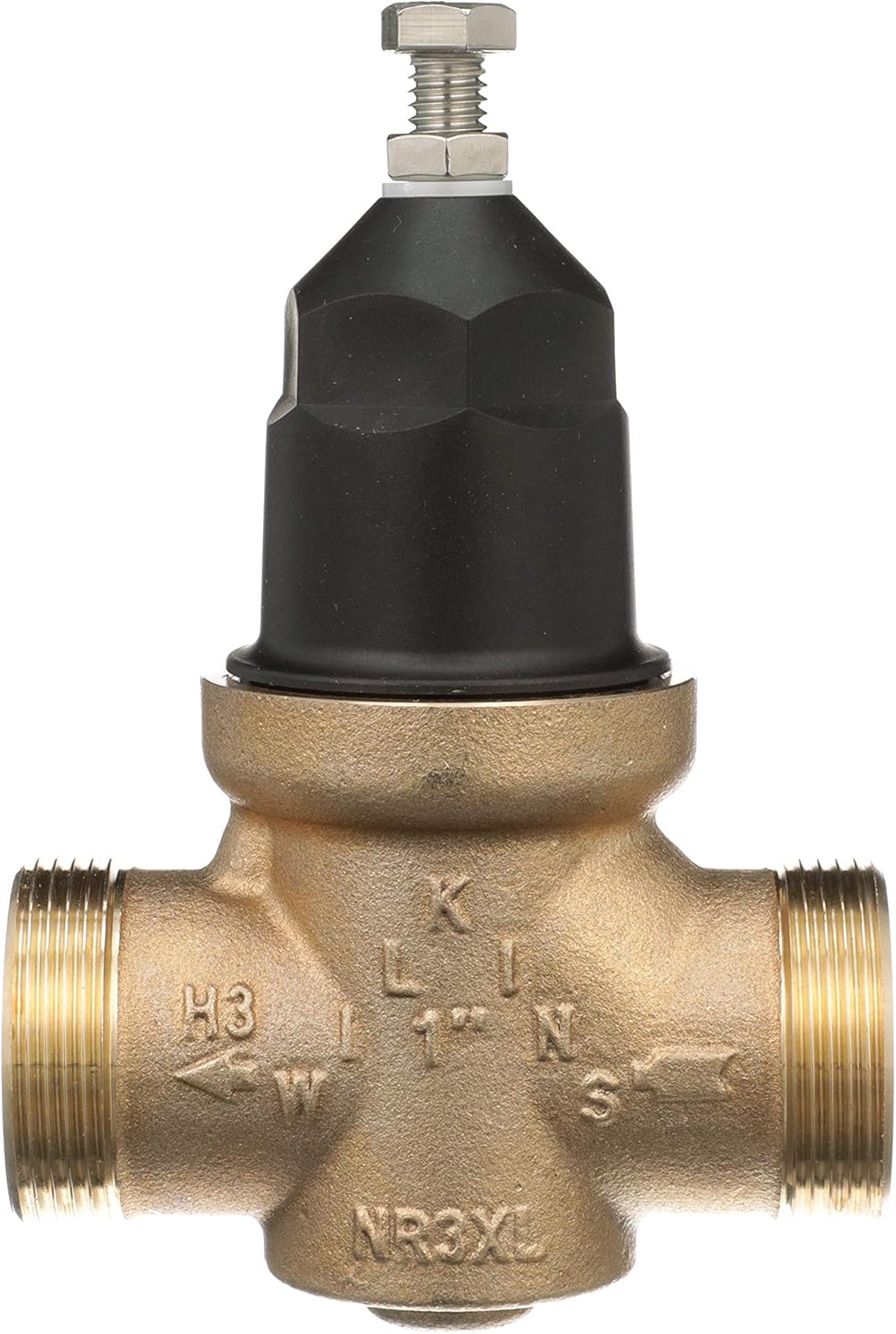
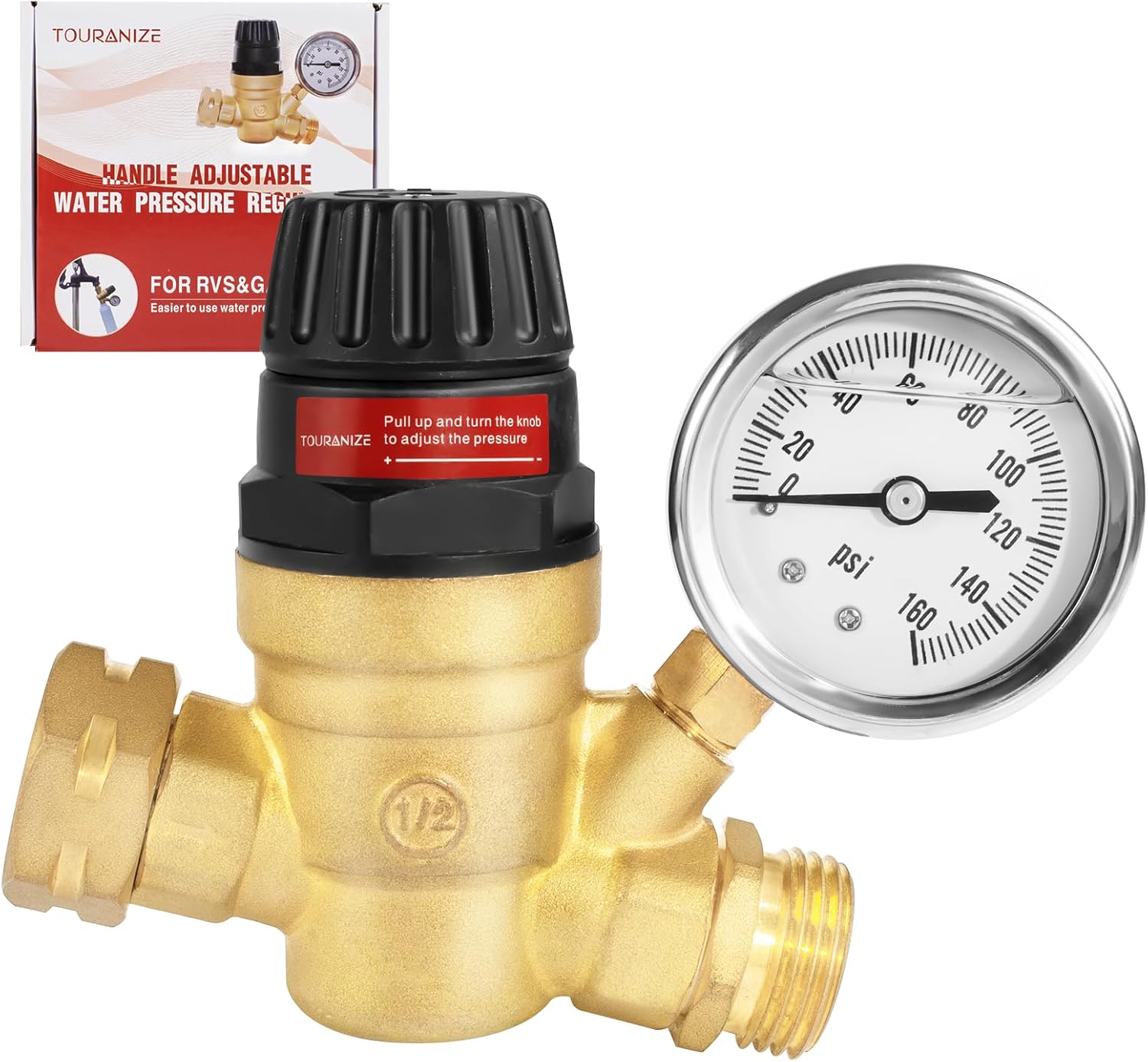
3. Failing Pressure Regulator
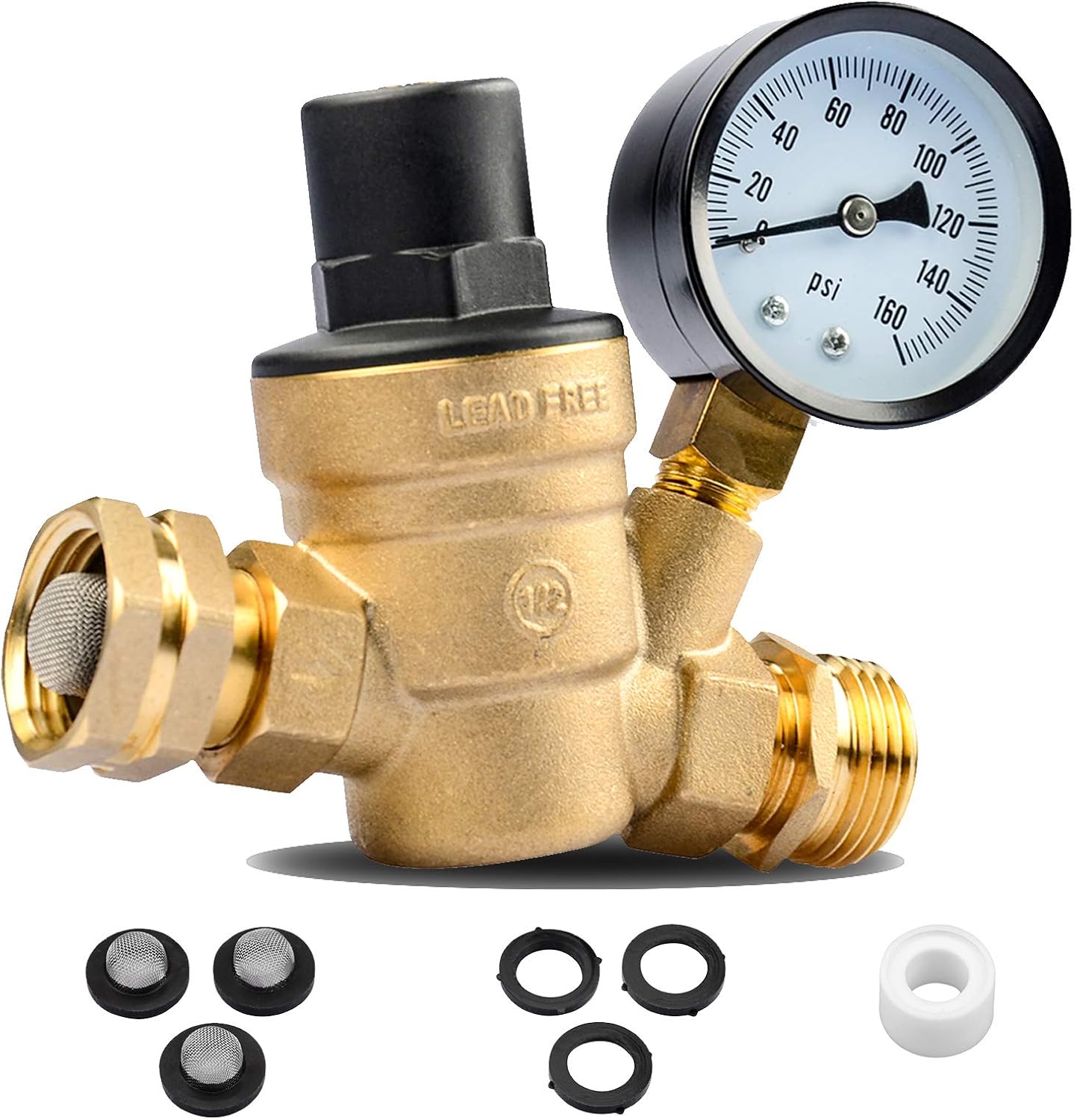
Homes connected to municipal water often have a pressure-reducing valve (PRV). Over time, internal springs and diaphragms wear out, reducing output pressure.
Gradual pressure loss across the entire house is a classic symptom.
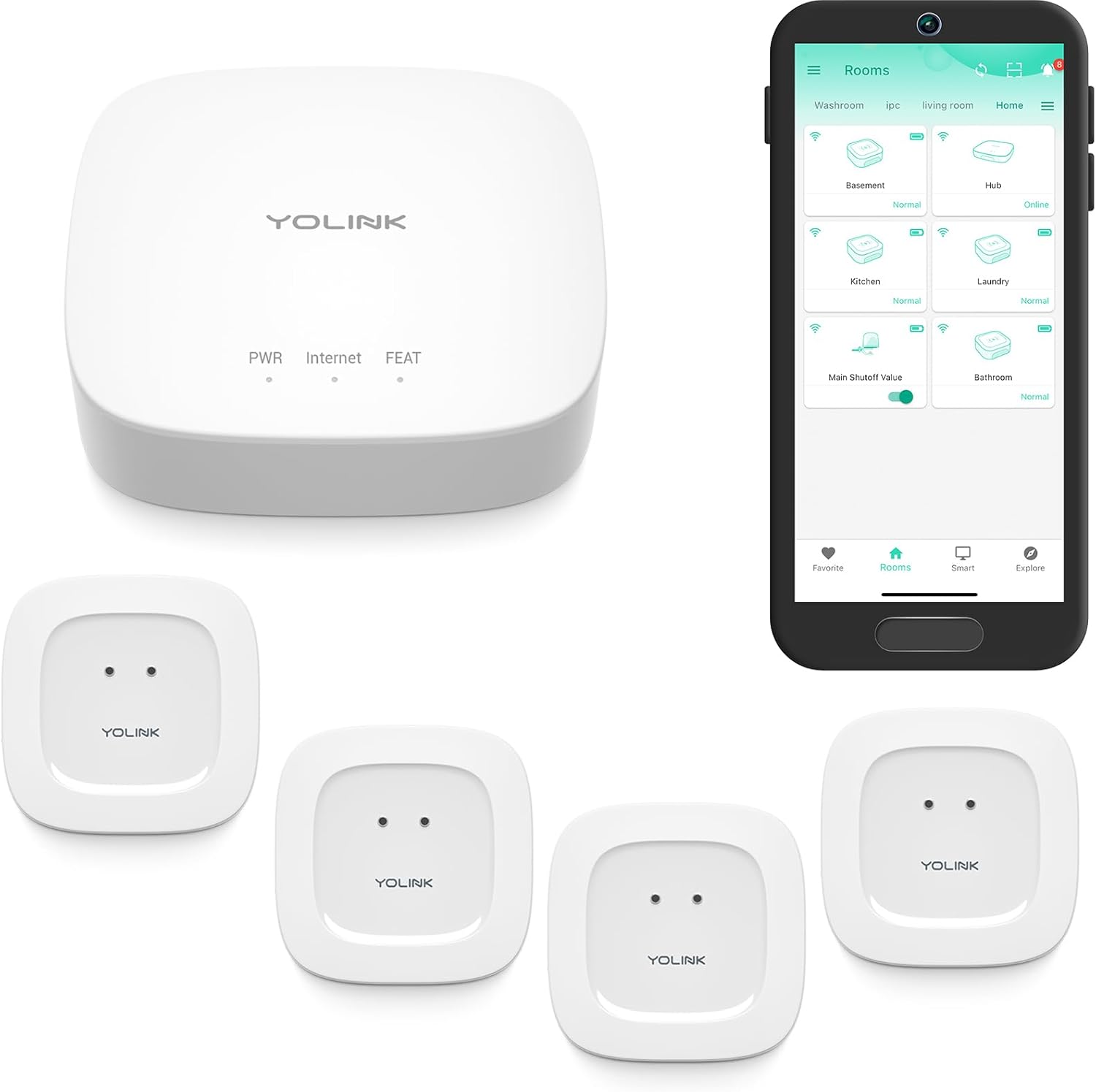
4. Hidden Plumbing Leaks
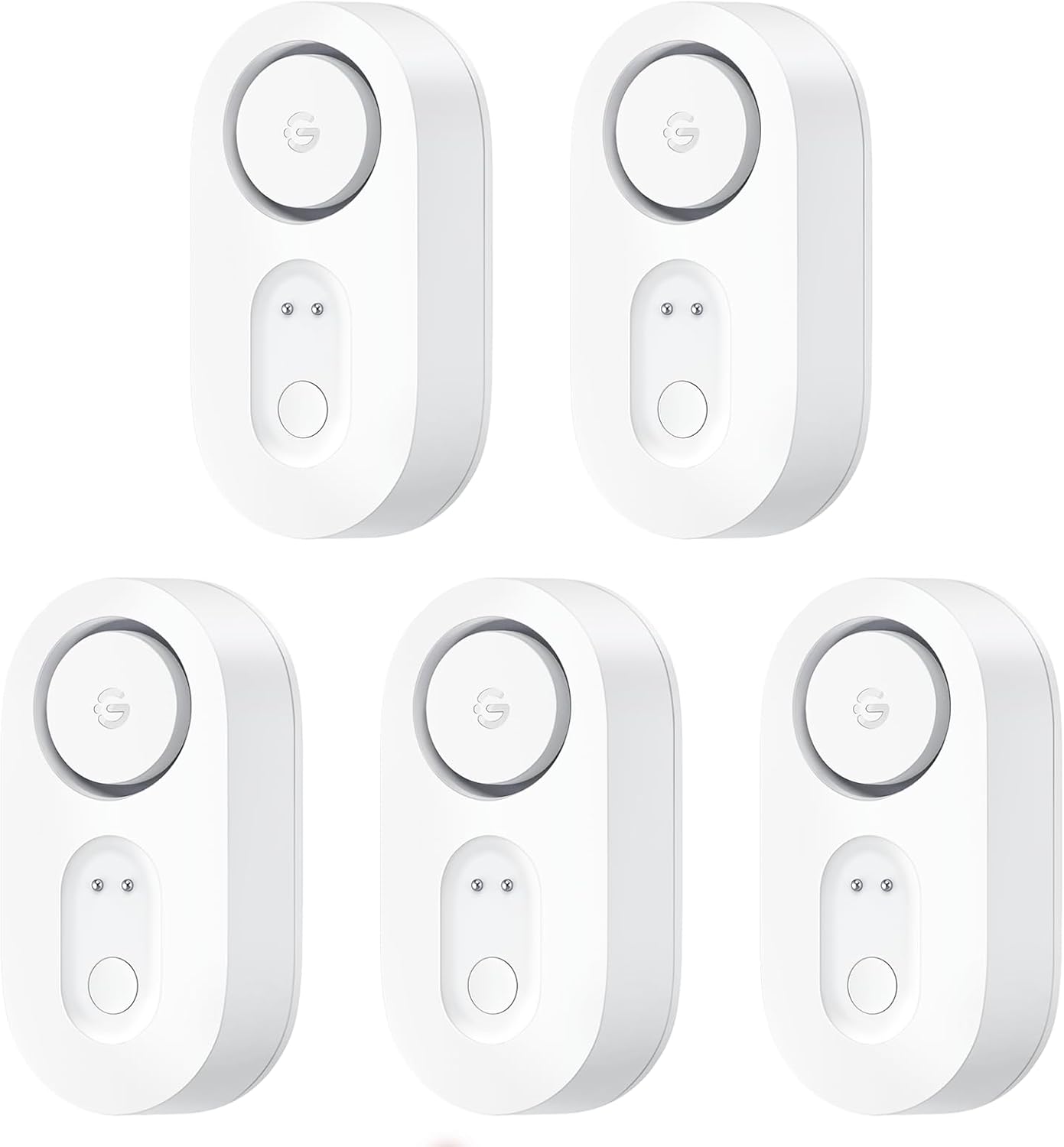
Leaks don’t always show up as visible water damage. Underground lines, wall cavities, and slab leaks can all bleed pressure silently.
If pressure has dropped slowly and water bills have increased, suspect a leak.
5. Corroded or Undersized Pipes
Older homes with galvanized steel piping often suffer from internal corrosion. As rust builds up, pipe diameter shrinks, choking off flow.
This is common in homes built before the 1970s.
Step-by-Step Diagnosis (Do This in Order)
Step 1: Test Multiple Fixtures
Check at least three fixtures:
- Kitchen sink
- Bathroom sink
- Shower
If only one fixture is weak, the problem is localized. If all fixtures are weak, continue.
Step 2: Compare Hot and Cold Water
Run both hot and cold at the same fixture.
- Hot weak only → water heater or hot-side piping issue
- Both weak → supply-side issue
Step 3: Check the Main Shutoff Valve
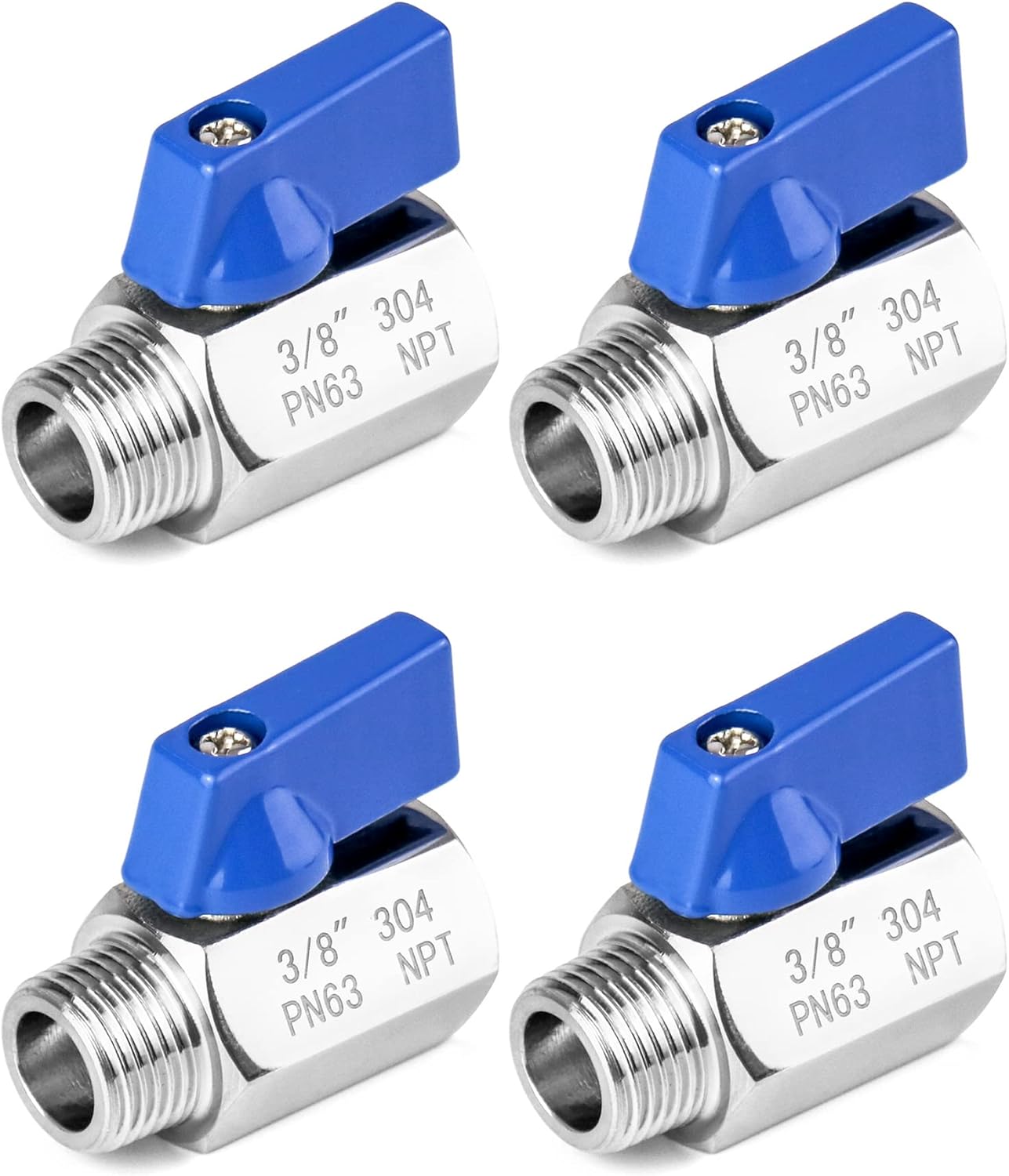
Locate the main valve near the water meter or where the line enters the house. Ensure it is fully open.
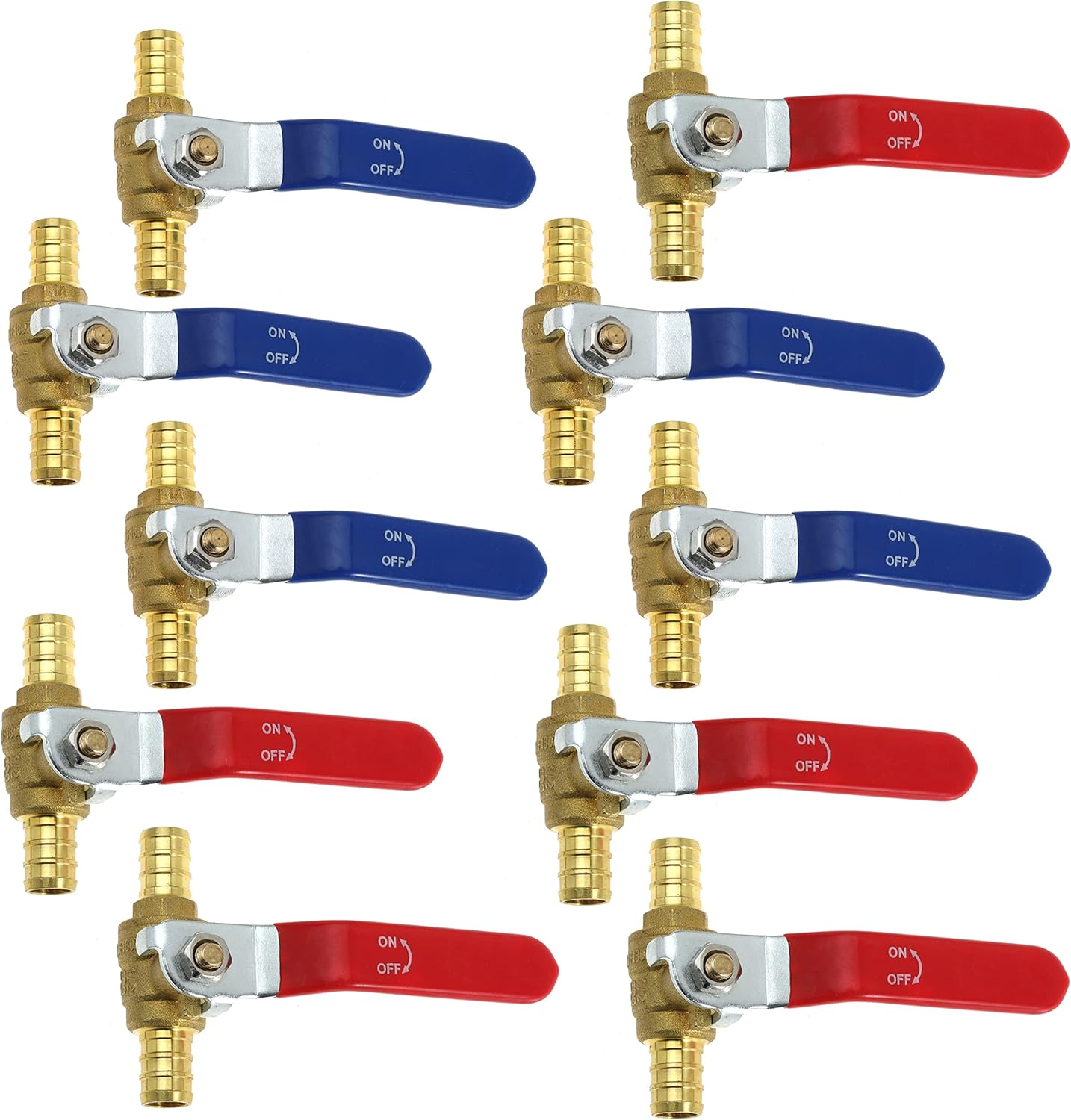
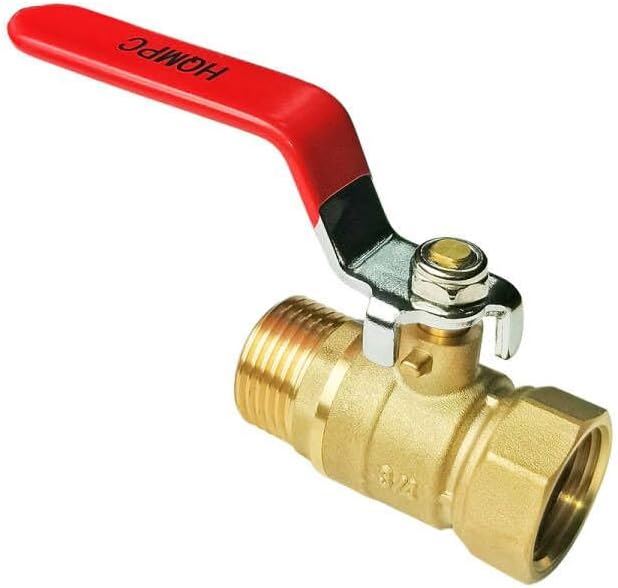
Gate valves should be turned completely counterclockwise. Ball valves should be fully parallel with the pipe.
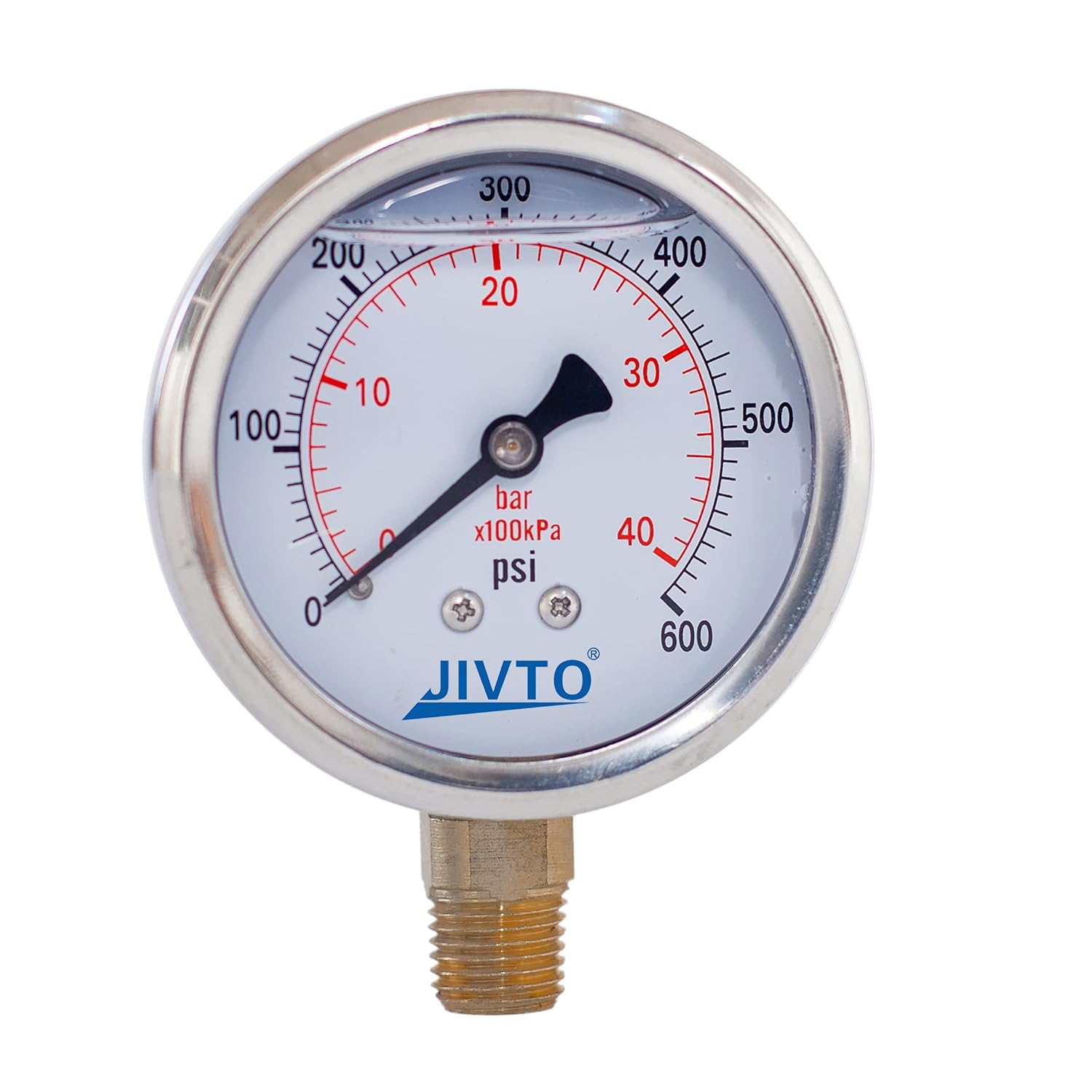
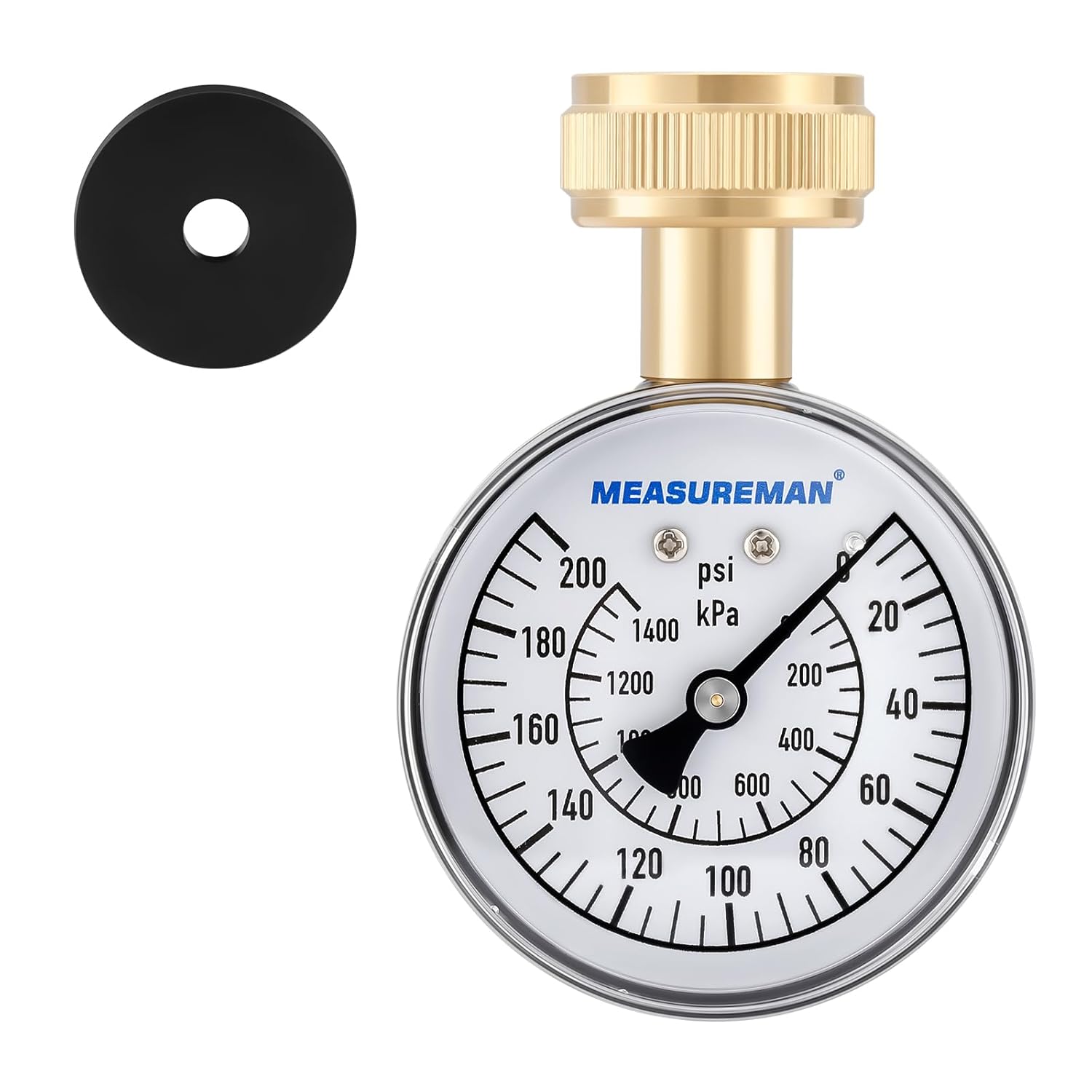
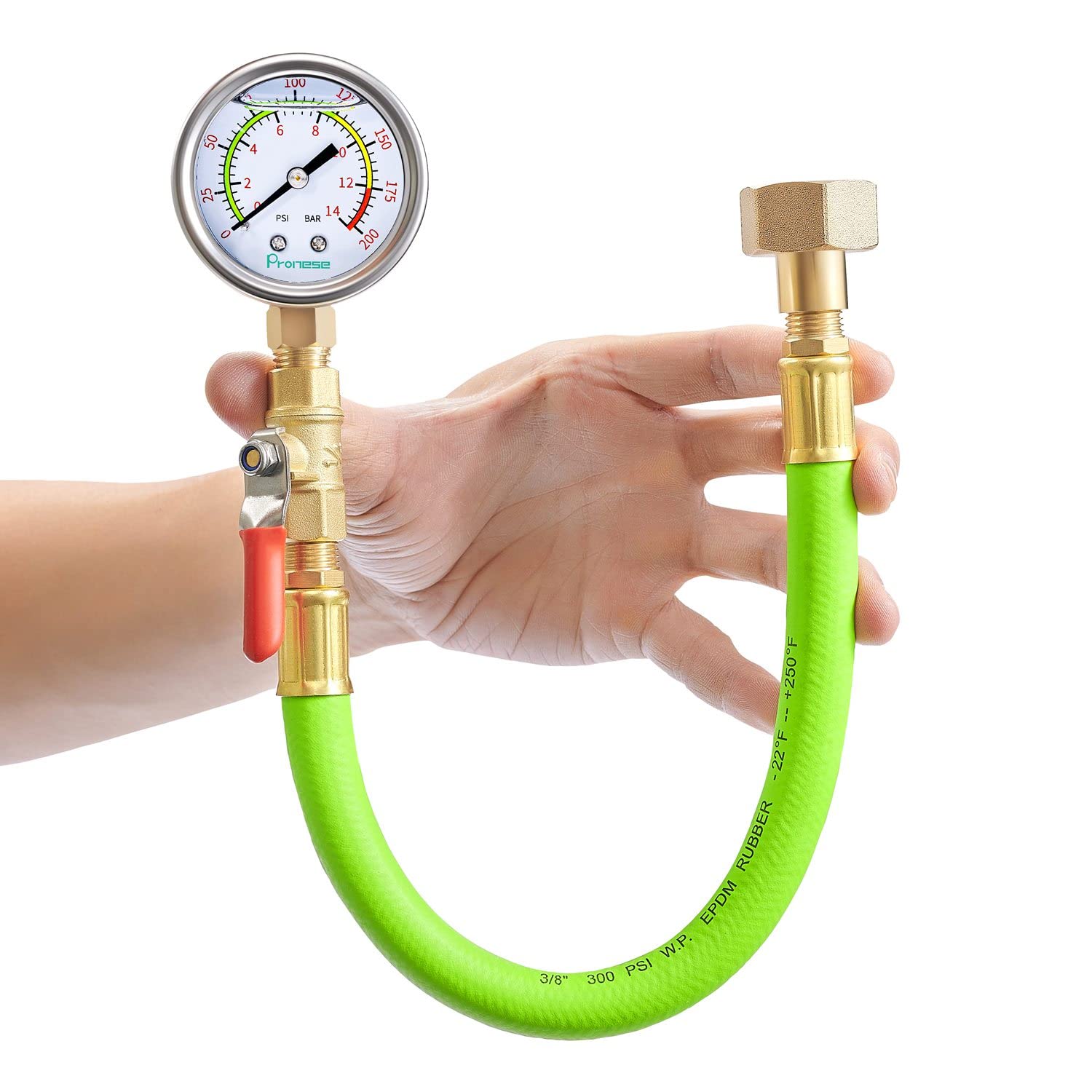
Step 4: Measure Actual Water Pressure
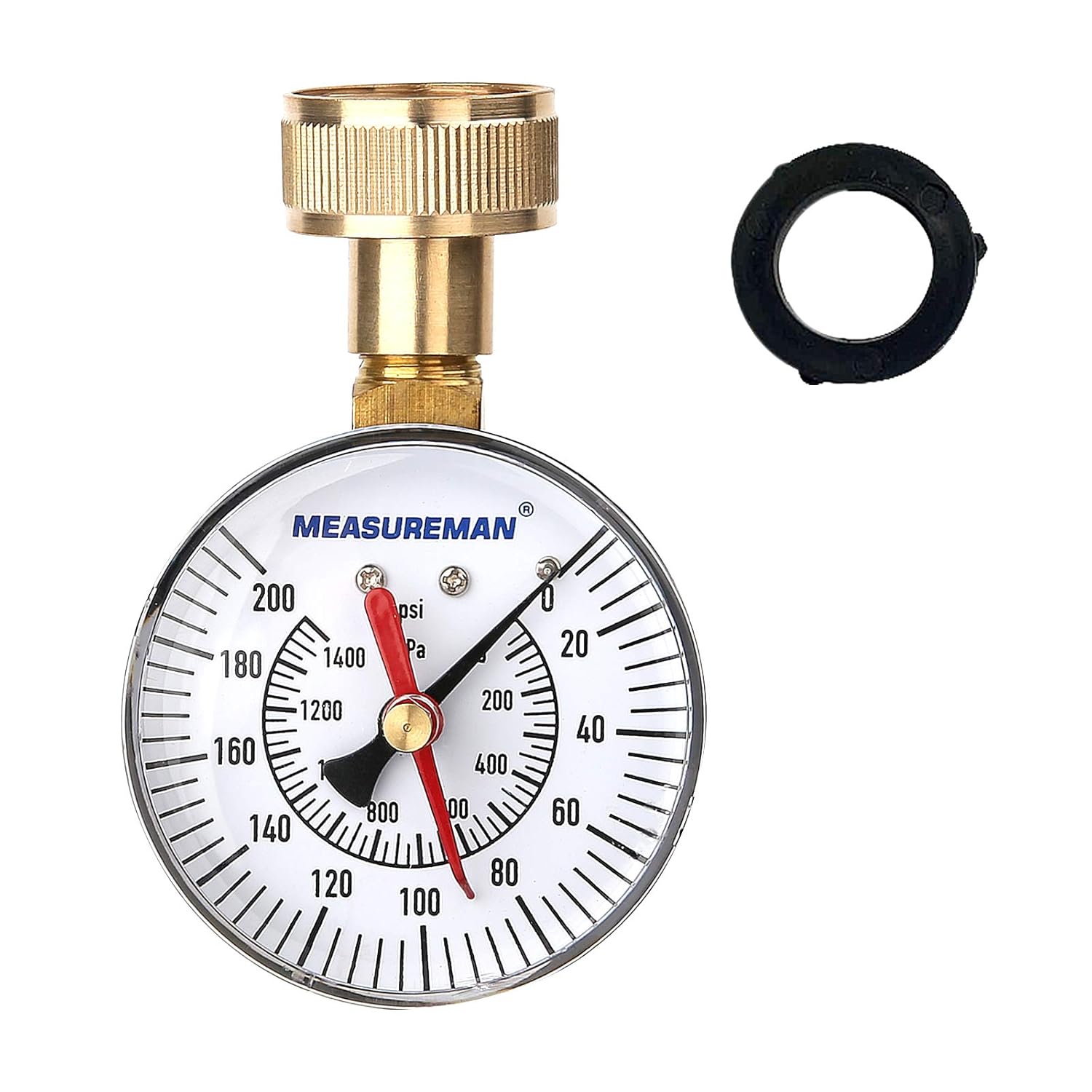
Attach a pressure gauge to an outdoor hose bib or laundry tap.
- 40–60 PSI → normal
- Below 40 PSI → problem exists
- Above 80 PSI → dangerous and requires correction
This is one of the most useful tools for diagnosing pressure issues.
Step 5: Check for Silent Leaks
Turn off all fixtures and appliances. Watch the water meter. If it moves, water is flowing somewhere it shouldn’t.
How to Fix Low Water Pressure
Cleaning Aerators and Showerheads
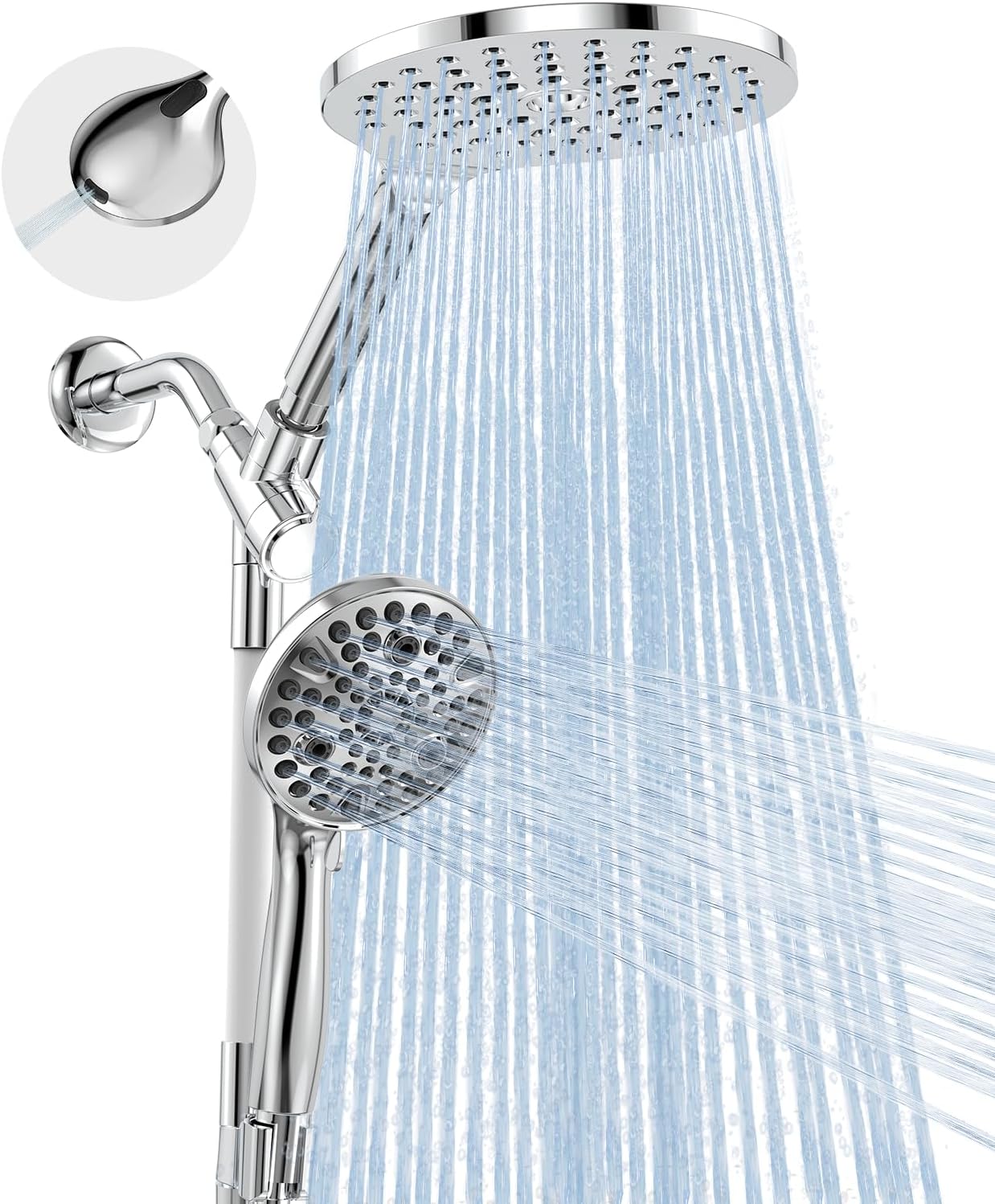
Remove the aerator or showerhead and soak it in vinegar to dissolve mineral buildup. Scrub and reinstall.
This fix costs almost nothing and often restores full flow.
Adjusting or Replacing a Pressure Regulator
Some PRVs allow adjustment via a set screw. If adjustment doesn’t restore pressure, replacement is required.
A failed regulator cannot be repaired internally.
Repairing Leaks
Visible leaks can often be repaired DIY. Hidden leaks require professional detection and repair to avoid structural damage.
When NOT to DIY
Call a professional if:
- Pressure is consistently below 30 PSI
- You suspect a slab or underground leak
- Pipes are heavily corroded
- Pressure fluctuates unpredictably
Long-Term Prevention
- Install a permanent pressure gauge
- Flush water heaters annually
- Replace aging pressure regulators proactively
- Plan piping upgrades during renovations
Final Thoughts
Low water pressure is rarely random. With a pressure gauge, a methodical approach, and realistic DIY limits, most homeowners can identify the root cause quickly and avoid unnecessary repairs.
Related Products