No Hot Water but Cold Works Fine: A Complete Water Heater Diagnosis Guide
Turning on a tap and getting cold water when you expect hot is frustrating — but it’s also one of the most diagnosable plumbing problems. In the vast majority of cases, the issue is not the plumbing lines or fixtures, but the water heater itself.
The danger comes from guessing.
Water heaters combine electricity, gas, pressure, and high temperatures. Diagnosing them correctly means following a safe, logical order and knowing exactly where DIY ends.
This guide explains:
- How water heaters actually produce hot water
- Why cold water still works when hot doesn’t
- The most common failure points
- How to diagnose safely without causing damage or injury
First: Confirm You Truly Have “No Hot Water”
Before assuming failure:
- Run hot water for at least 2–3 minutes
- Test multiple fixtures
If water is briefly warm then turns cold, the heater is producing heat but cannot keep up — a different problem than total loss.
How Water Heaters Actually Work
Electric Water Heaters
Electric units use two heating elements controlled by thermostats. The upper element heats first, then hands off to the lower element.
If the upper element fails, the heater may produce little or no hot water.
Gas Water Heaters
Gas units heat water using a burner controlled by a gas valve and safety sensors.
If the burner does not ignite or stay lit, no hot water is produced.
Common Causes (Electric Water Heaters)
- Tripped breaker
- Failed heating element
- Faulty thermostat
Common Causes (Gas Water Heaters)
- Pilot light out
- Faulty thermocouple
- Failed gas control valve
Step-by-Step Diagnosis (Electric Heaters)
Step 1: Check the Breaker
A tripped breaker is the simplest explanation.
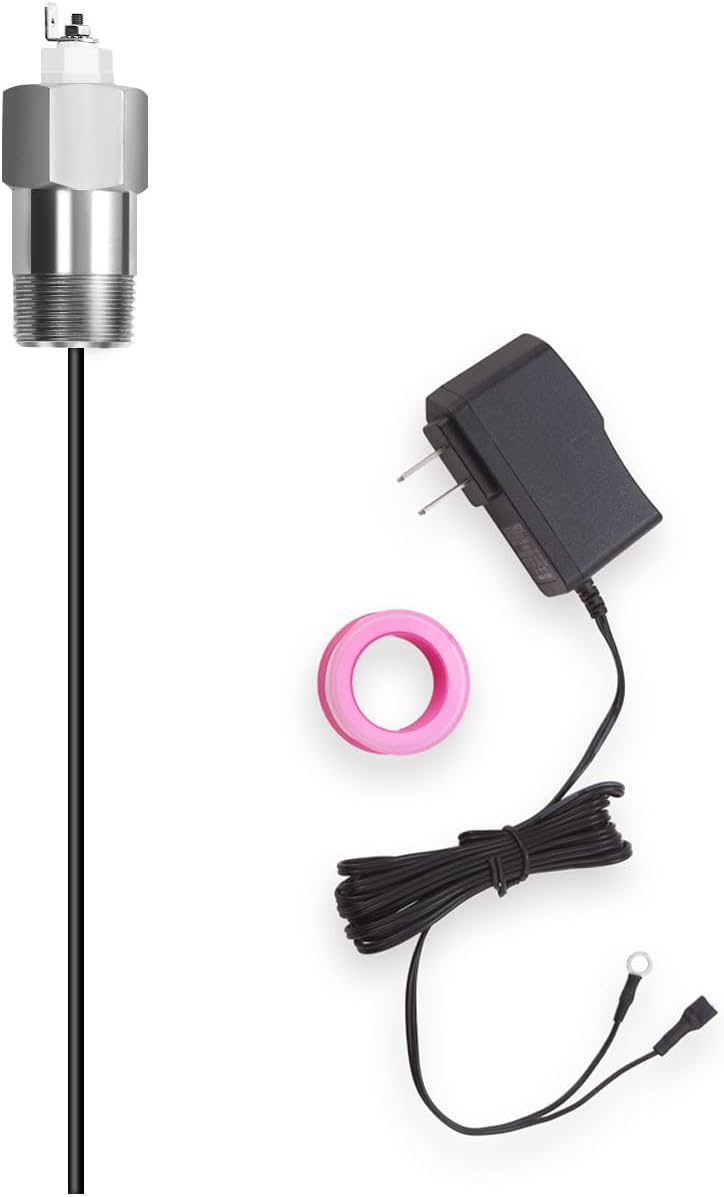
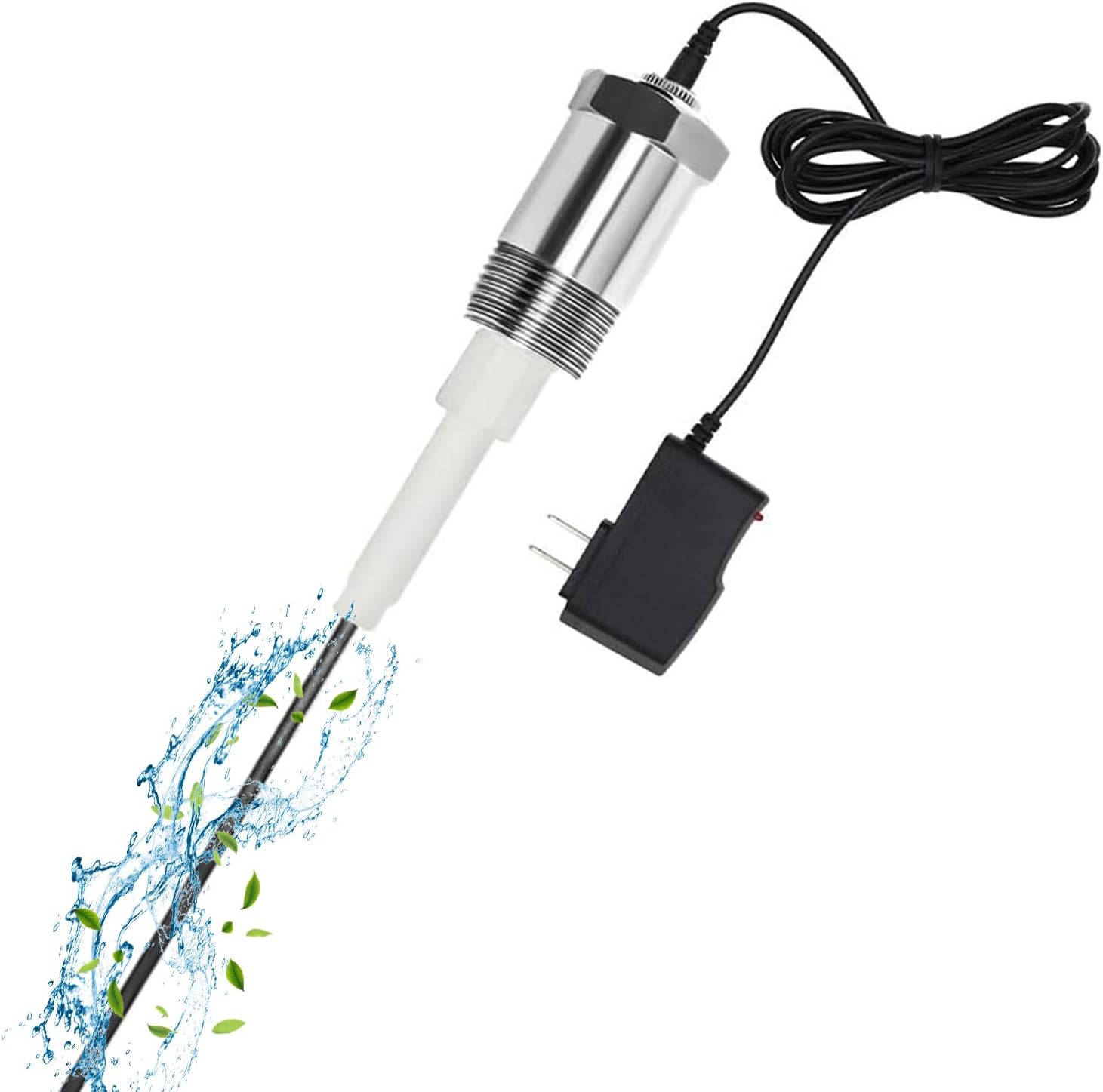
Step 2: Test Heating Elements
Elements fail over time due to scale buildup and age.
Step 3: Inspect Thermostats
A failed thermostat prevents power from reaching elements.
Step-by-Step Diagnosis (Gas Heaters)
Step 1: Check Pilot Light
If the pilot is out, follow manufacturer relighting instructions.
Step 2: Observe Burner Operation
No ignition or unstable flame indicates control or sensor issues.
Why Scale and Sediment Make This Worse
Sediment insulates heating elements and tanks, causing:
- Longer heat times
- Element overheating and failure
- Reduced tank capacity
When to Stop DIY Immediately
- If gas controls are suspected
- If wiring is damaged
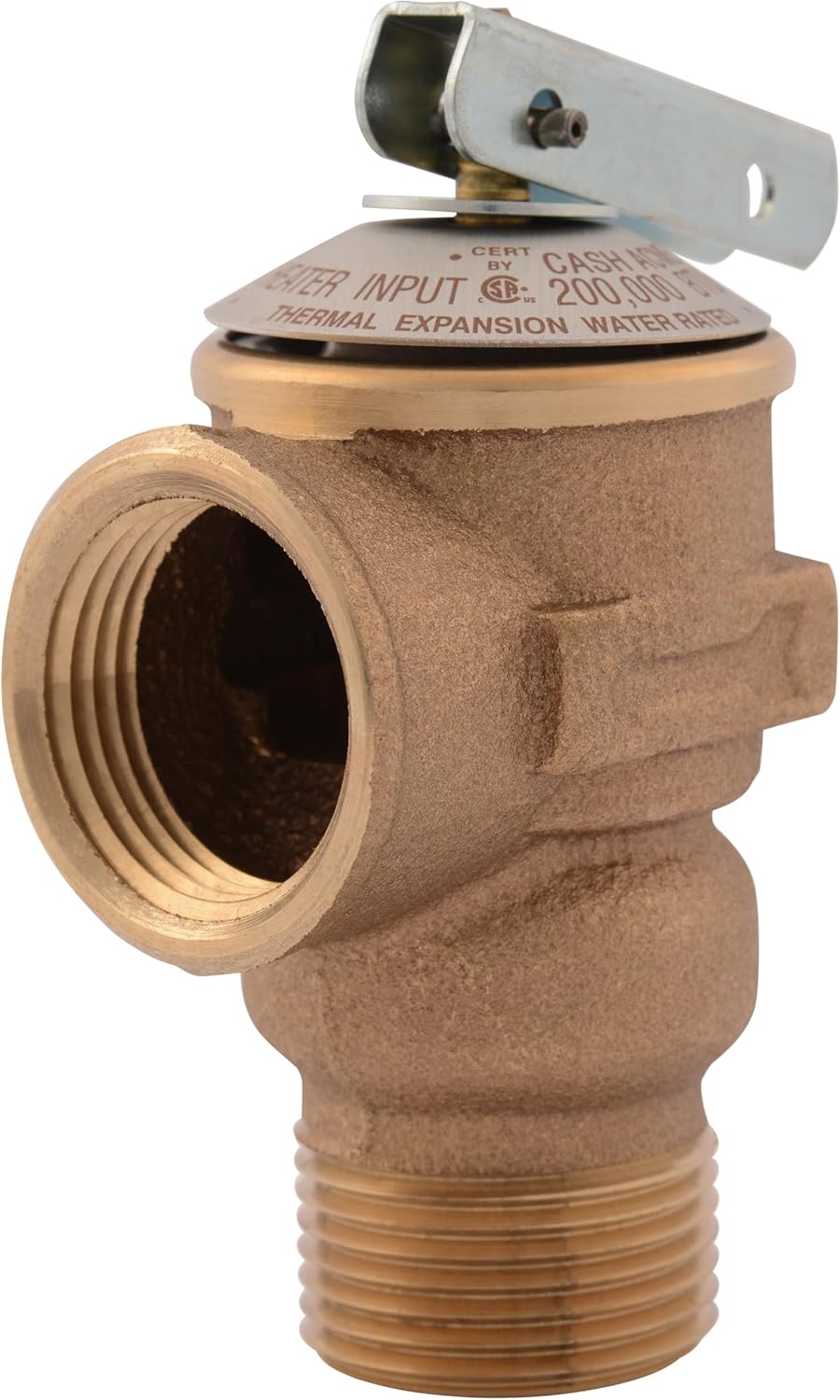
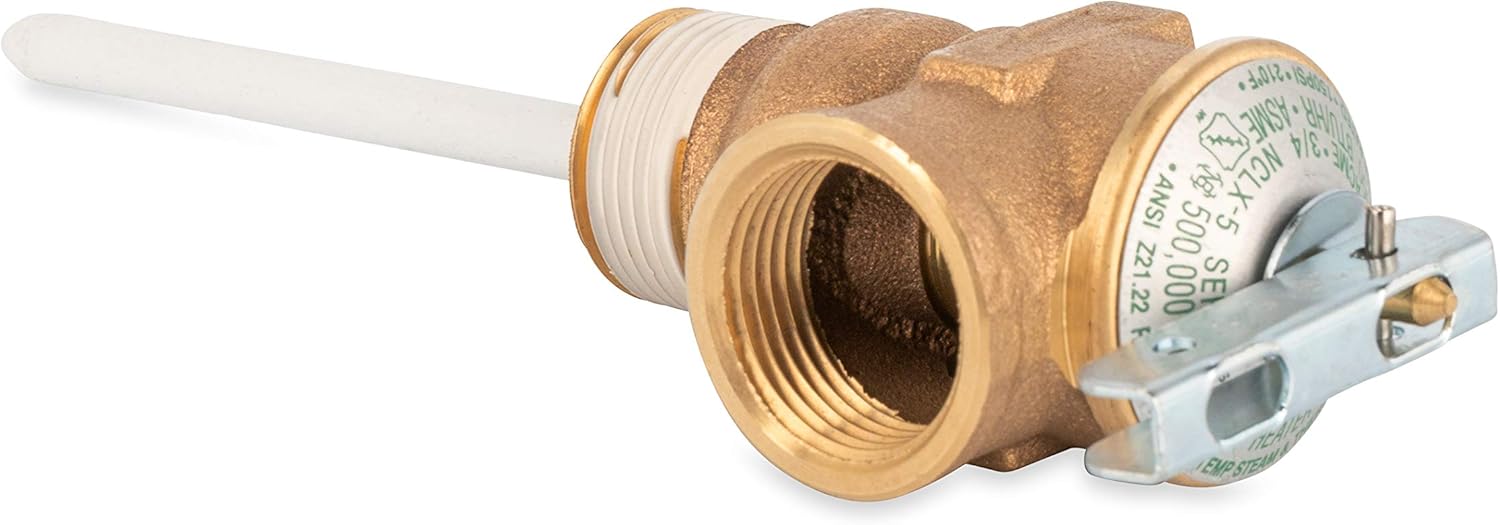
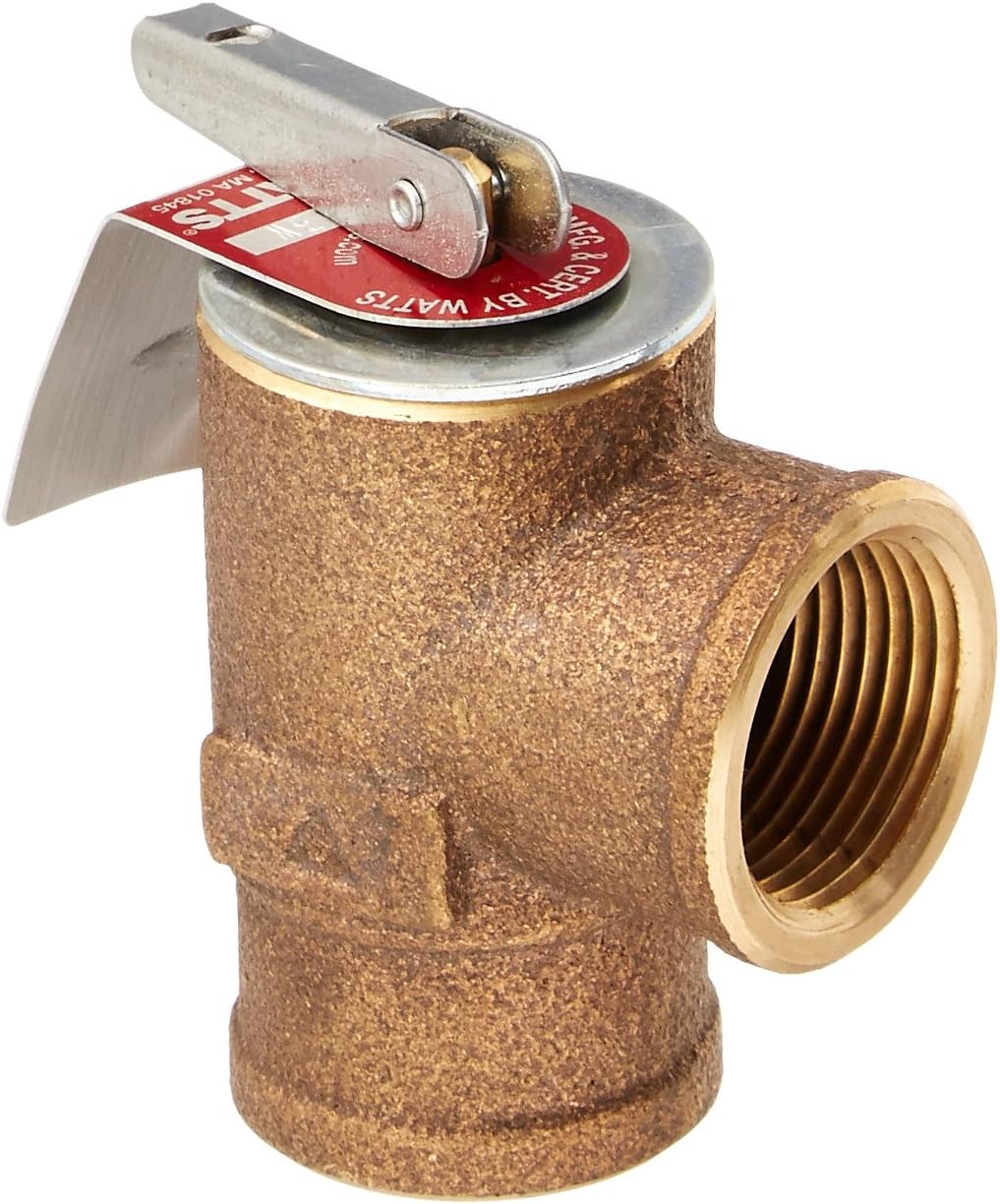
- If safety devices are tripping repeatedly
Gas and high-voltage electrical repairs should not be improvised.
Preventing Future Hot Water Failures
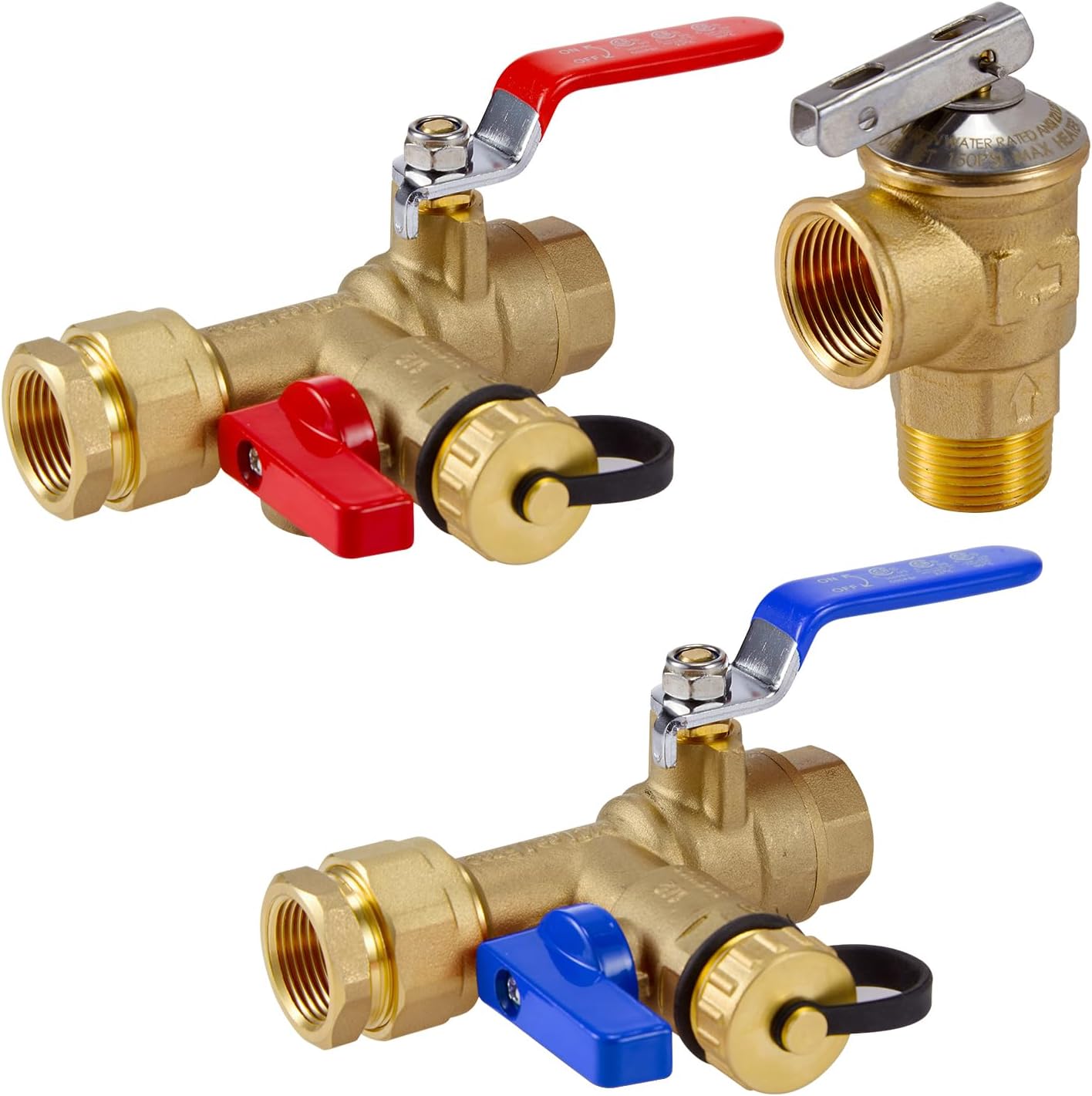
- Flush heaters annually
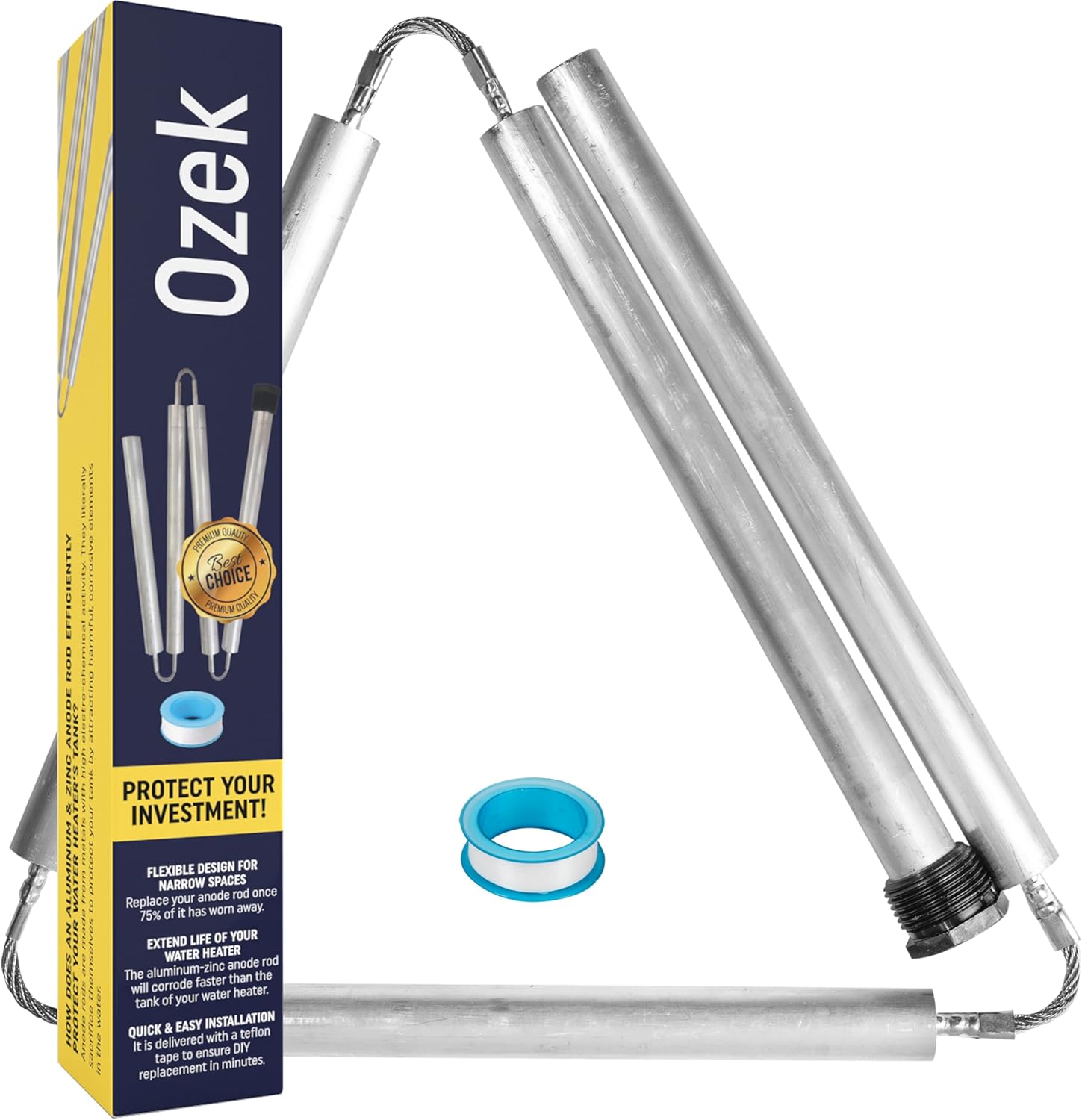
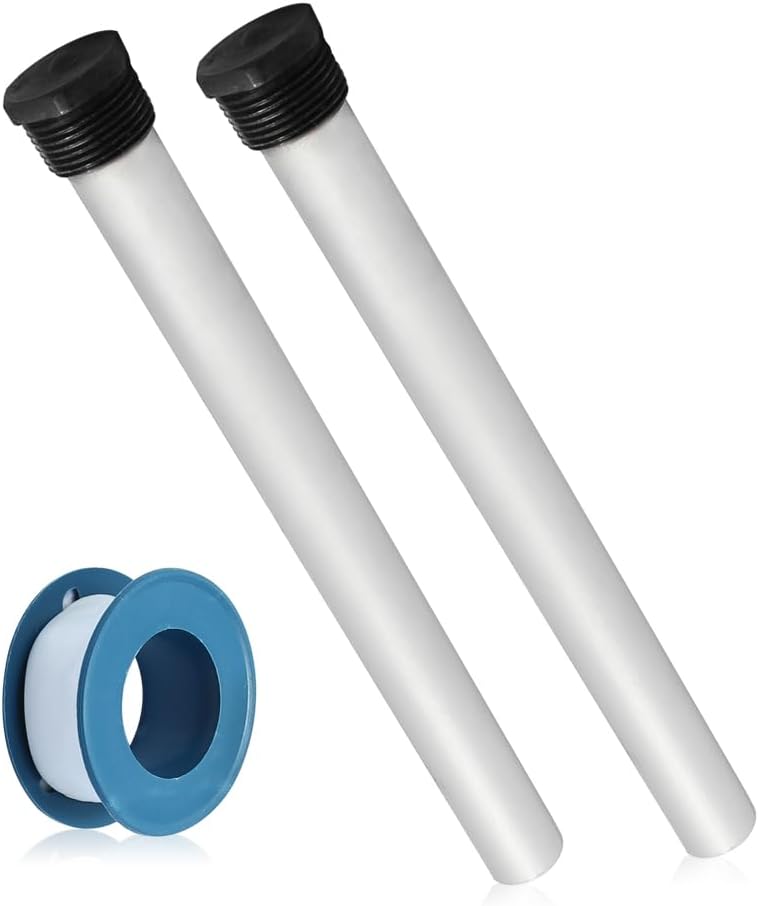
- Replace anode rods proactively
- Maintain proper pressure
Final Takeaway
When cold water works but hot doesn’t, the problem is almost always inside the heater. Following a safe diagnostic path prevents wasted replacements and avoids dangerous mistakes.
Related Products