No Water From Your Well Pump (But Power Is On): A Complete Step-by-Step Diagnosis Guide
Turning on a faucet and getting nothing — while knowing the well pump has power — is one of the most stressful water problems a homeowner can face. The instinctive reaction is to keep cycling the breaker or pressure switch, hoping water will suddenly return.
That reaction can destroy a well pump.
A pump that runs without moving water can overheat, lose lubrication, and fail permanently in a very short time. The key to handling this situation correctly is slowing down and diagnosing the system in the right order.
This guide is written to help you:
- Protect the pump from damage
- Identify the most likely failure points
- Understand what you can safely check yourself
- Know exactly when the problem is no longer DIY
How a Well System Is Supposed to Deliver Water
Before troubleshooting, it helps to understand the basic flow of a well system.
In a typical residential setup:
- The pump (submersible or jet) lifts water from the well
- Water flows through a check valve into the pressure tank
- The pressure tank stores water under pressure
- The pressure switch controls when the pump turns on and off
When you open a faucet, pressure drops. The switch turns the pump on, water refills the tank, pressure rises, and the pump shuts off.
If power is present but no water arrives, that chain is broken somewhere.
Immediate Action: What to Do First (Critical)
If you suspect the pump is running but no water is flowing:
- Turn off the pump breaker immediately
- Do not repeatedly reset the pressure switch
- Do not allow the pump to run “just to see if it fixes itself”
Running a pump dry is one of the fastest ways to destroy it.
Most Common Causes (Ranked by Likelihood)
1. Dry Well or Dropped Water Table
This is more common than many homeowners realize, especially after droughts or heavy seasonal use.
If the water level drops below the pump intake, the pump will run but move no water.
Common warning signs:
- Problem appears suddenly
- Neighbors with wells have similar issues
- Water returns briefly after resting the system
This is not a DIY fix — but diagnosing it early can save the pump.
2. Broken or Disconnected Drop Pipe
The drop pipe carries water from the pump to the surface. If it cracks or separates, water is pumped straight back into the well.
Symptoms include:
- Pump sounds normal
- No pressure buildup at all
- Air spurts at faucets if pressure briefly appears
This requires pulling the pump.
3. Failed Pump Impeller or Internal Damage
Sand, sediment, or age can destroy impellers. The motor may still run, but it can no longer move water.
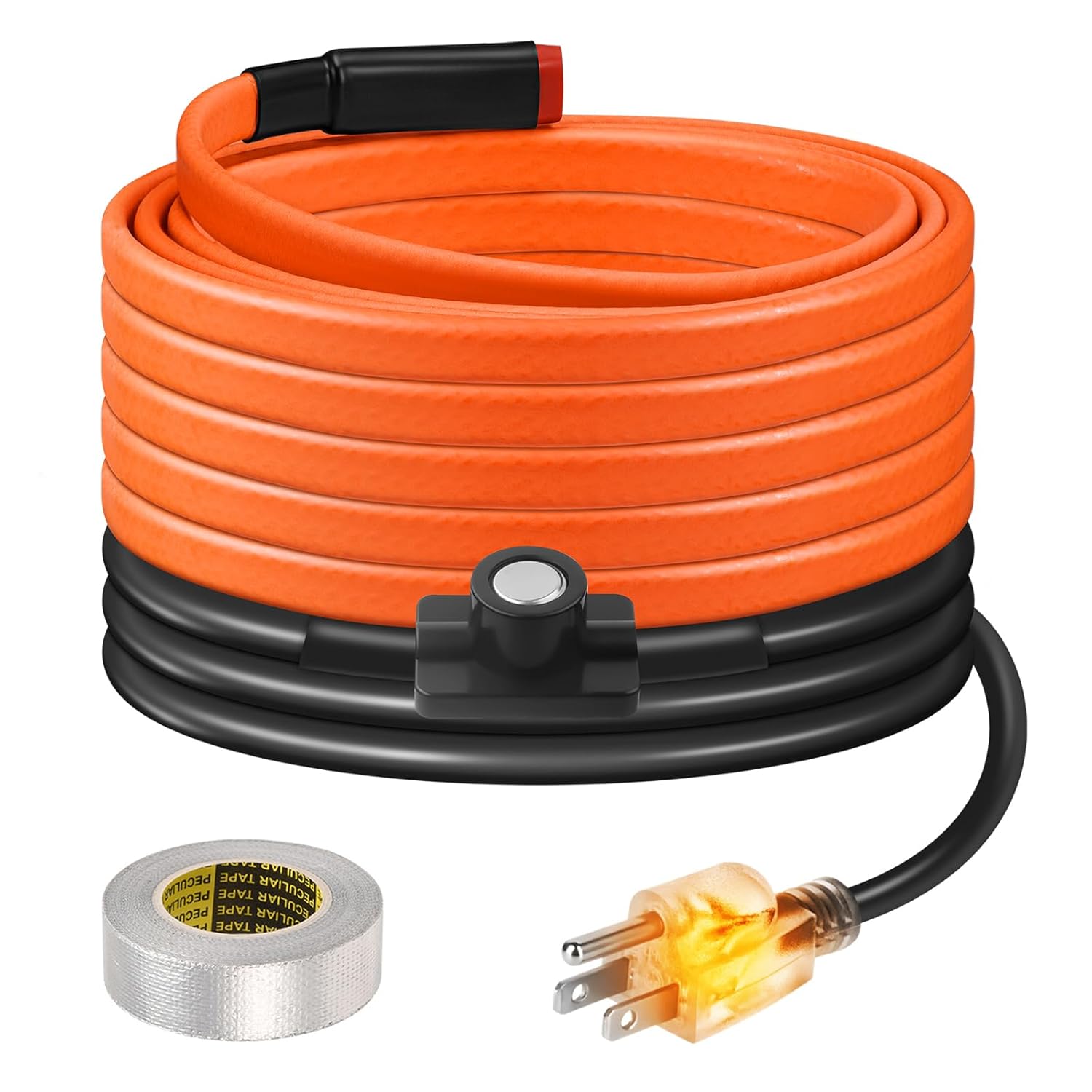
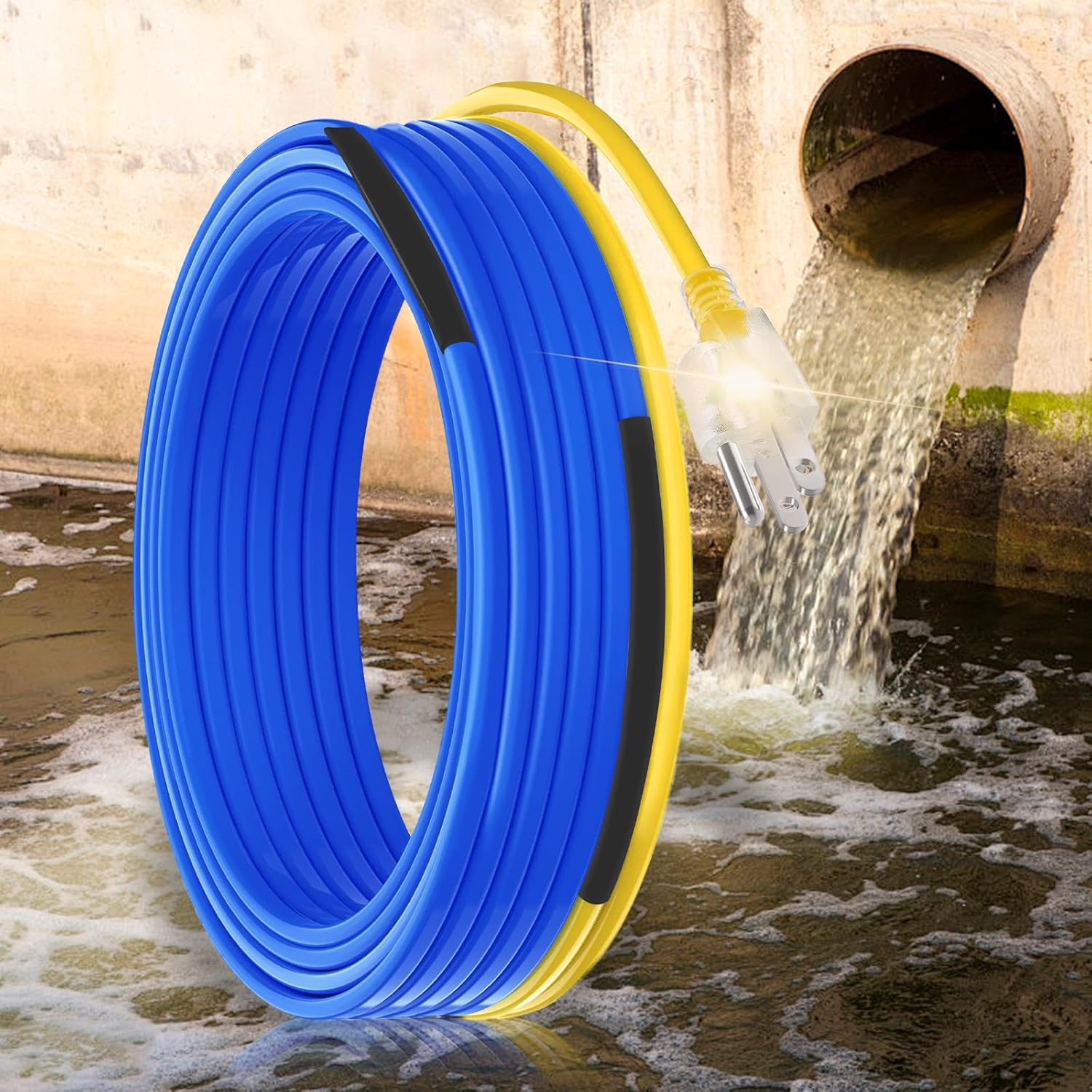
4. Frozen Well Line
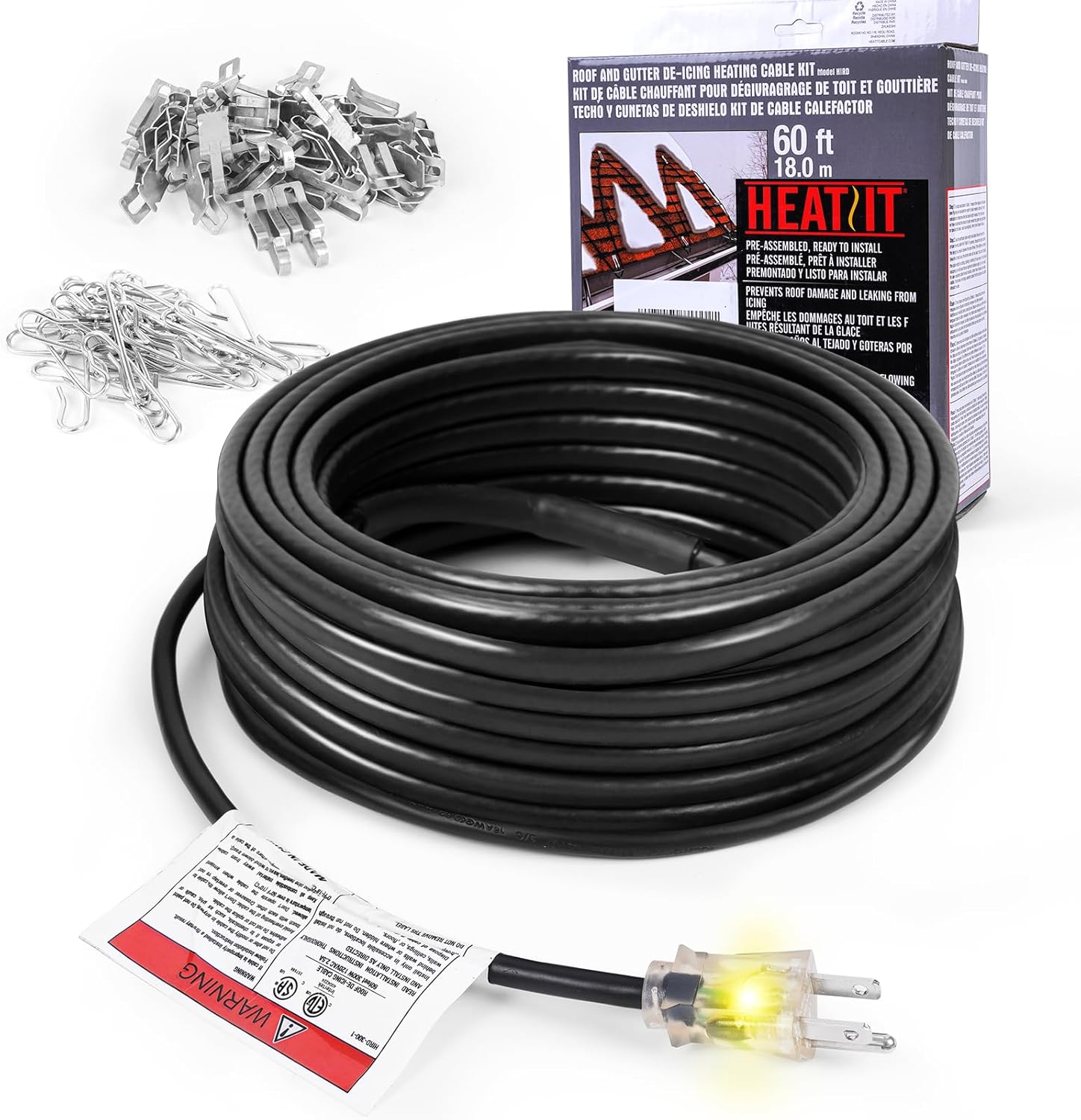
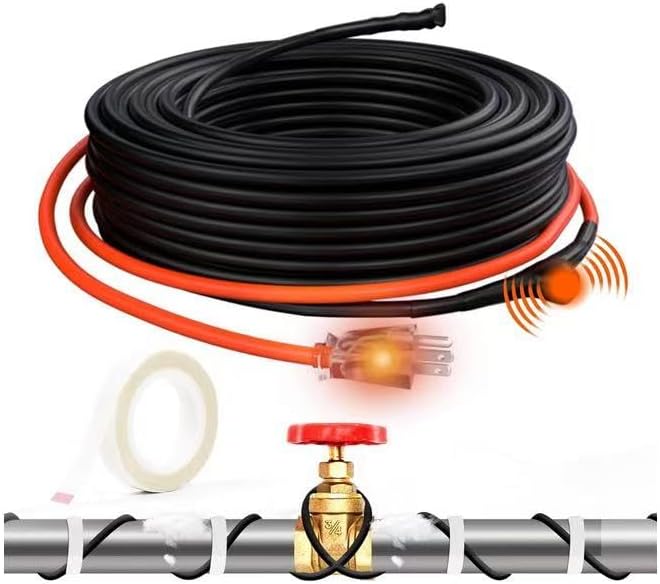
In cold climates, the line between the well and the house can freeze, especially if it is shallow or poorly insulated.
Water cannot reach the house, even though the pump is functioning.
5. Air Lock or Loss of Prime (Jet Pumps)
Jet pumps require a sealed, primed suction line. Any air leak prevents water movement.
Step-by-Step Diagnosis (Do This in Order)
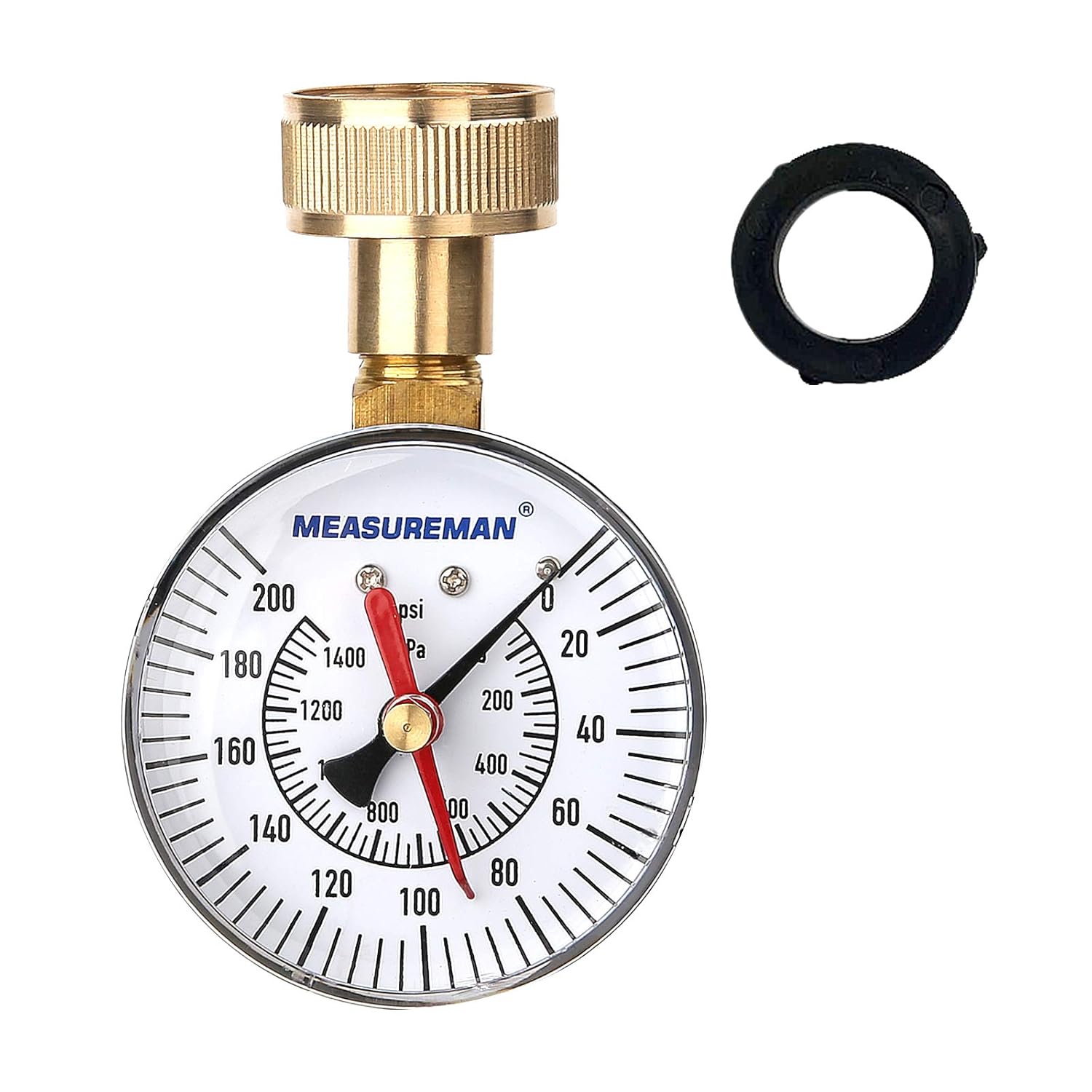
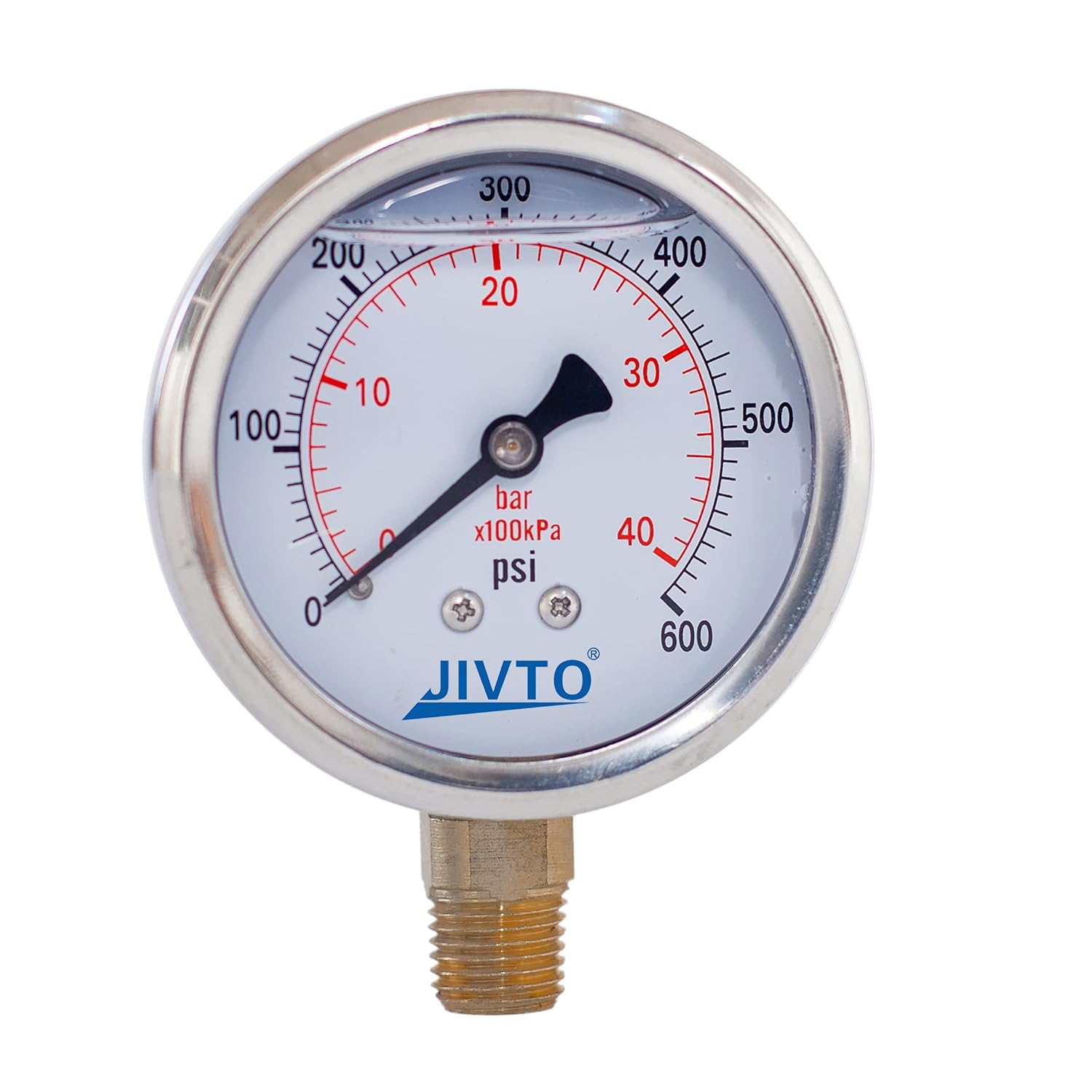
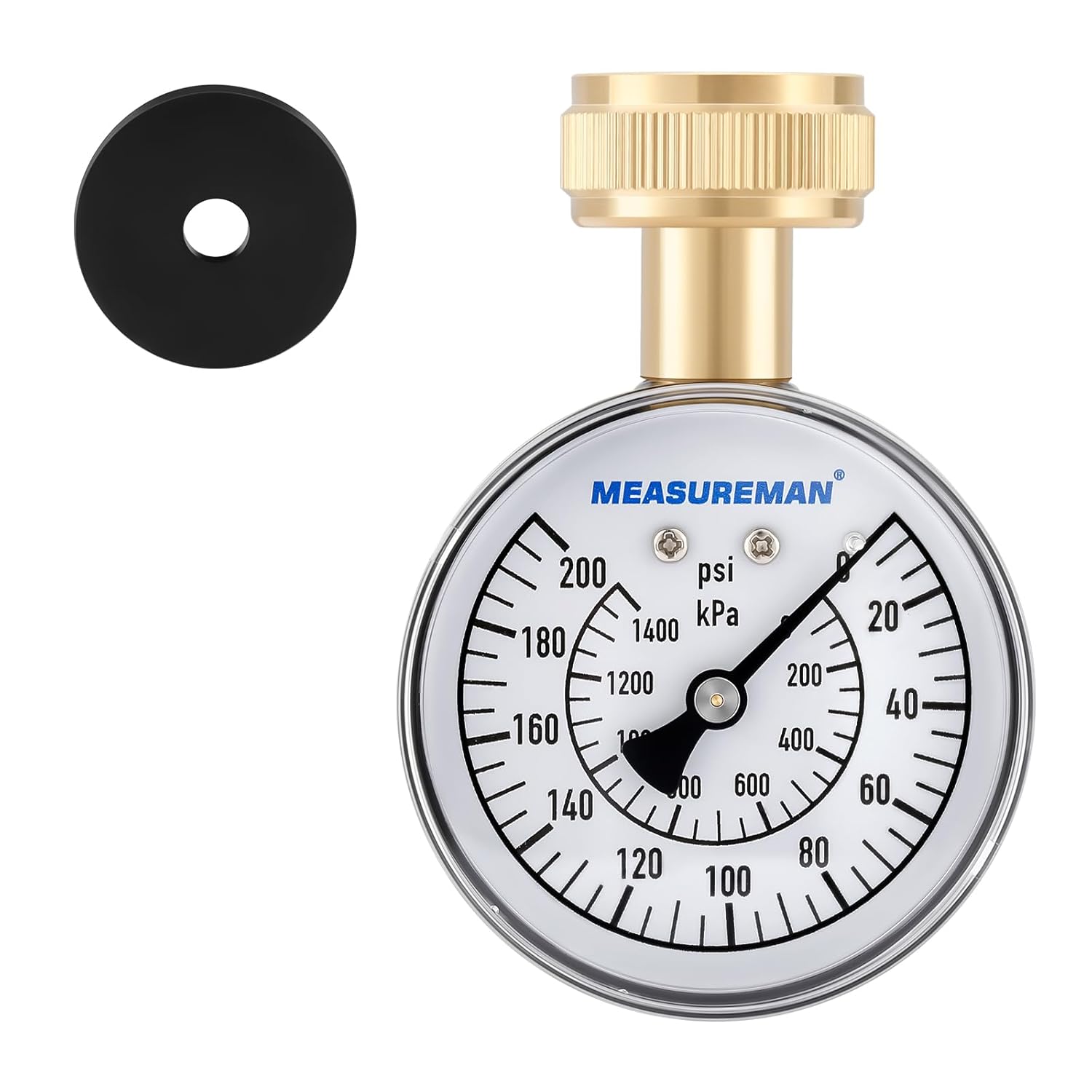
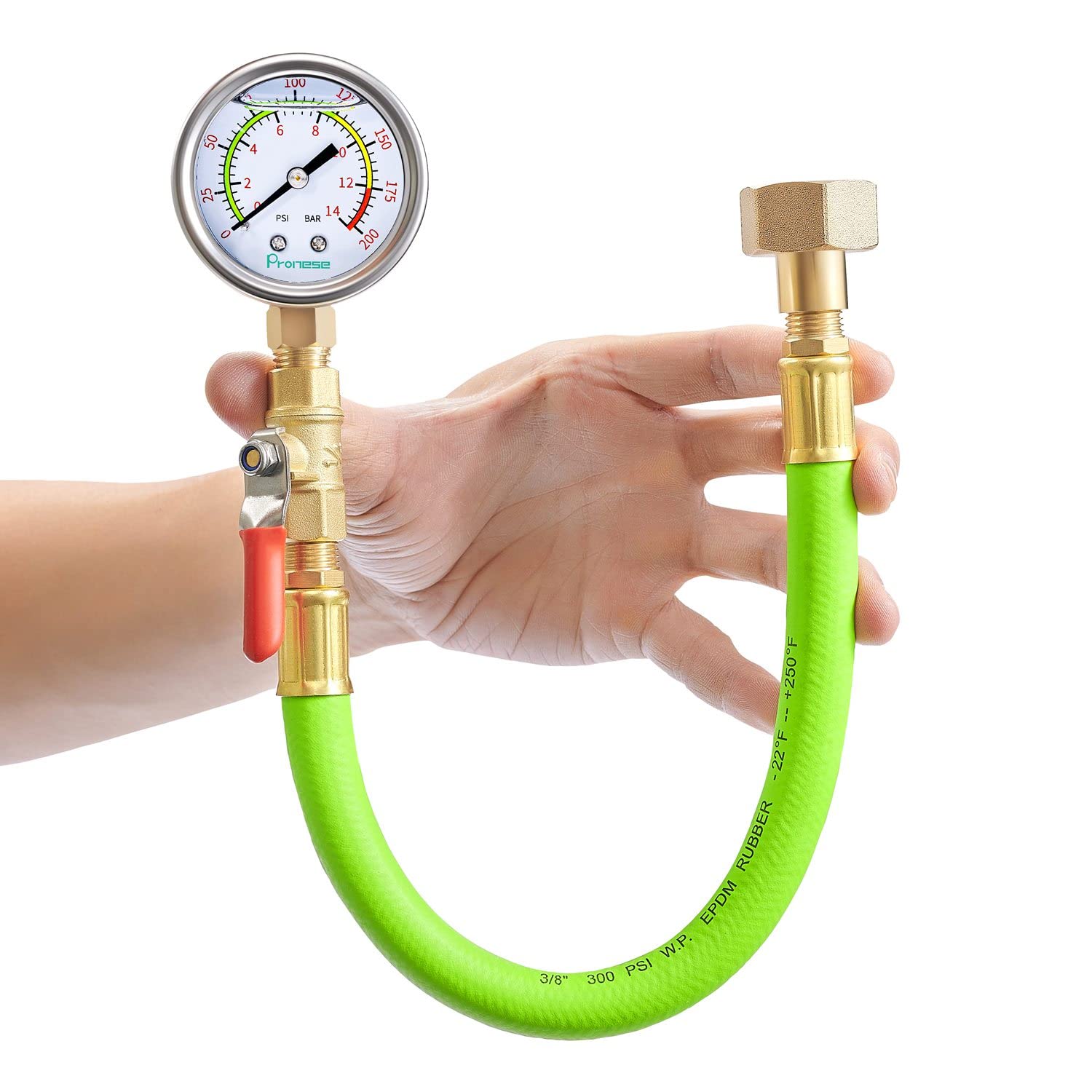
Step 1: Check the Pressure Gauge
Restore power briefly and watch the gauge.
- No movement → water is not entering the system
- Pressure rises then collapses → leak or broken line
Step 2: Listen to the Pump
A normal motor sound with no pressure change points to a mechanical or water-level issue.
Grinding, screeching, or rapid cycling indicates internal damage.
Step 3: Check for Frozen or Obstructed Lines
Inspect exposed piping, well head, and entry point to the house.
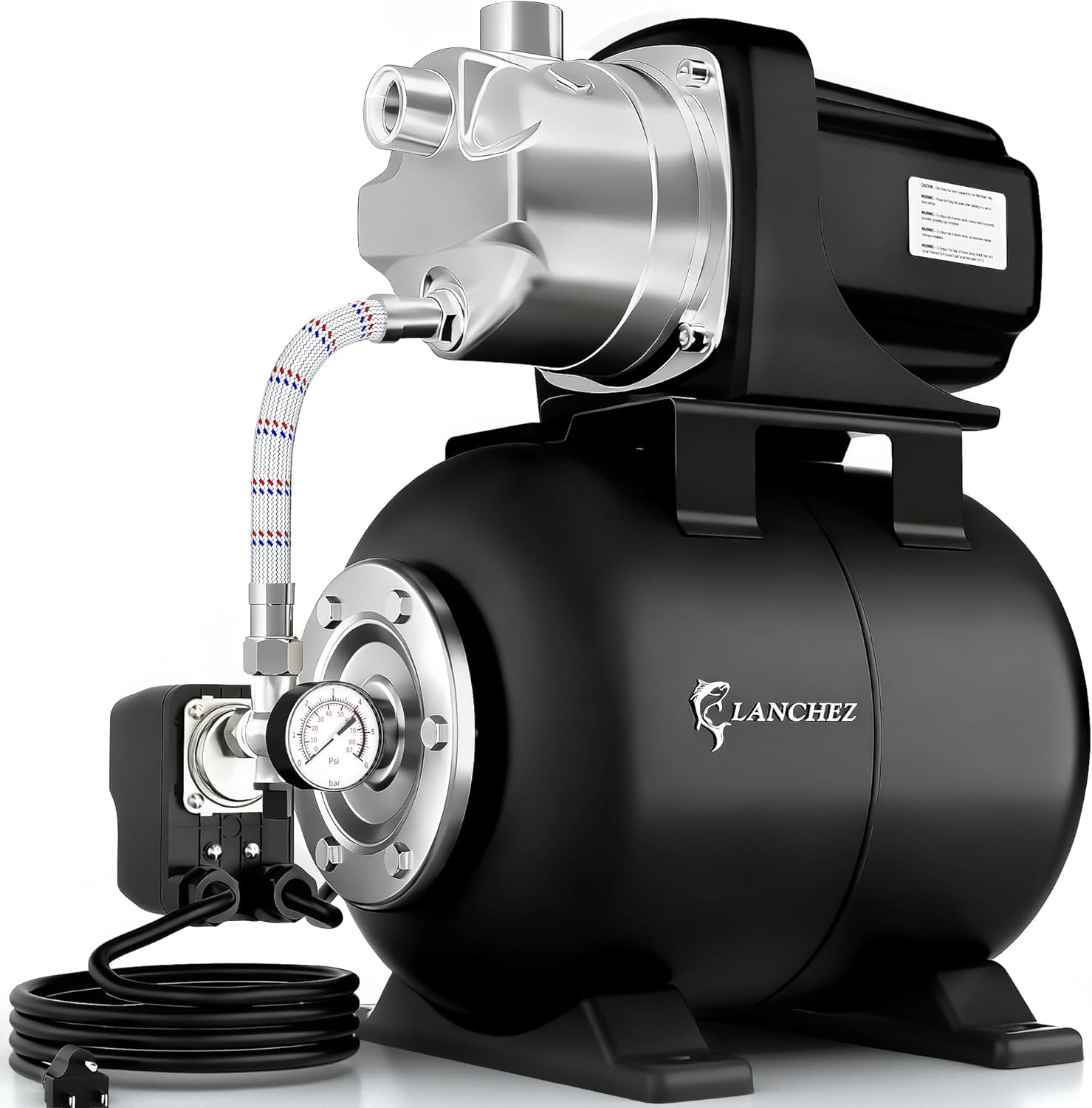
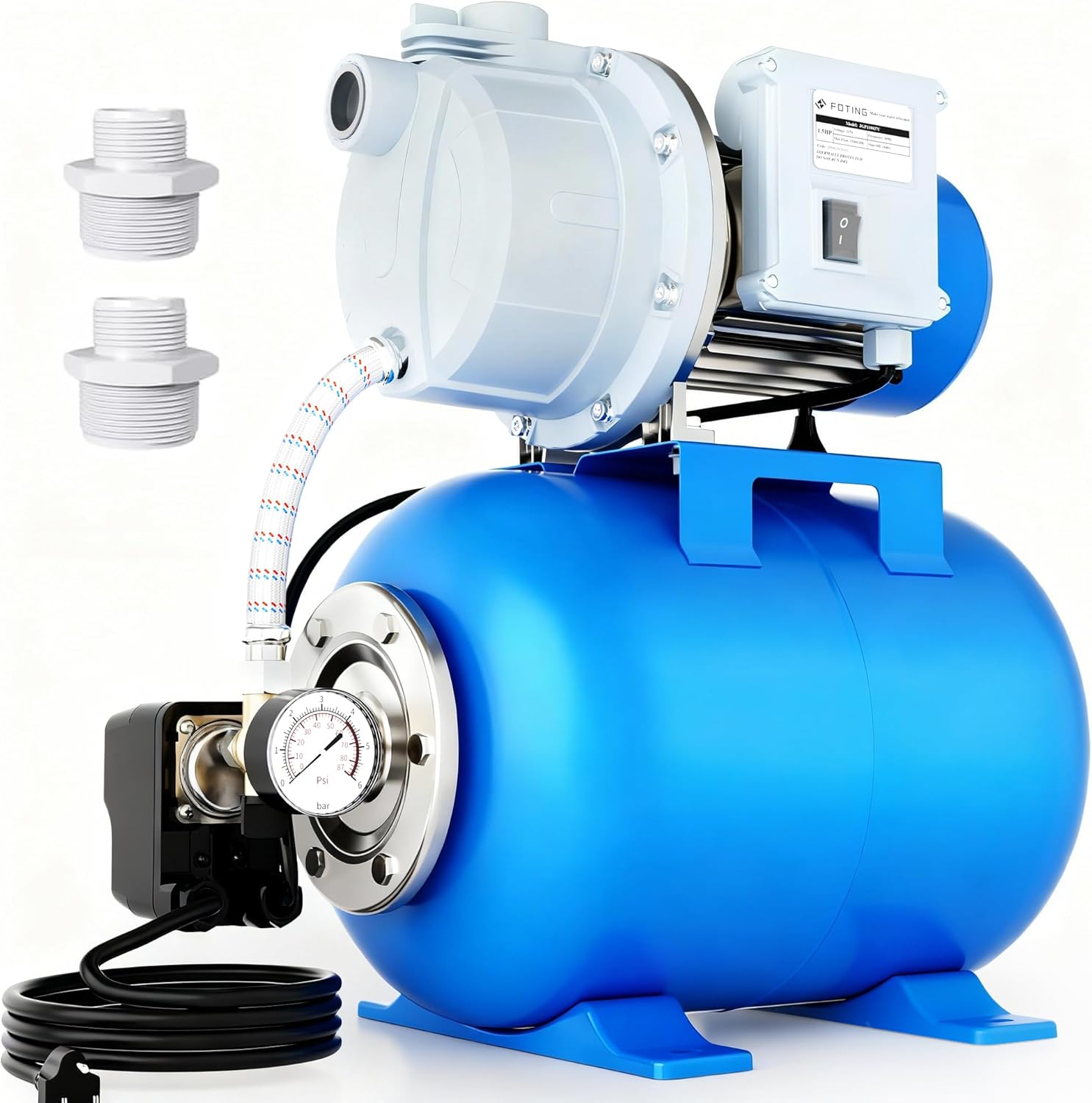
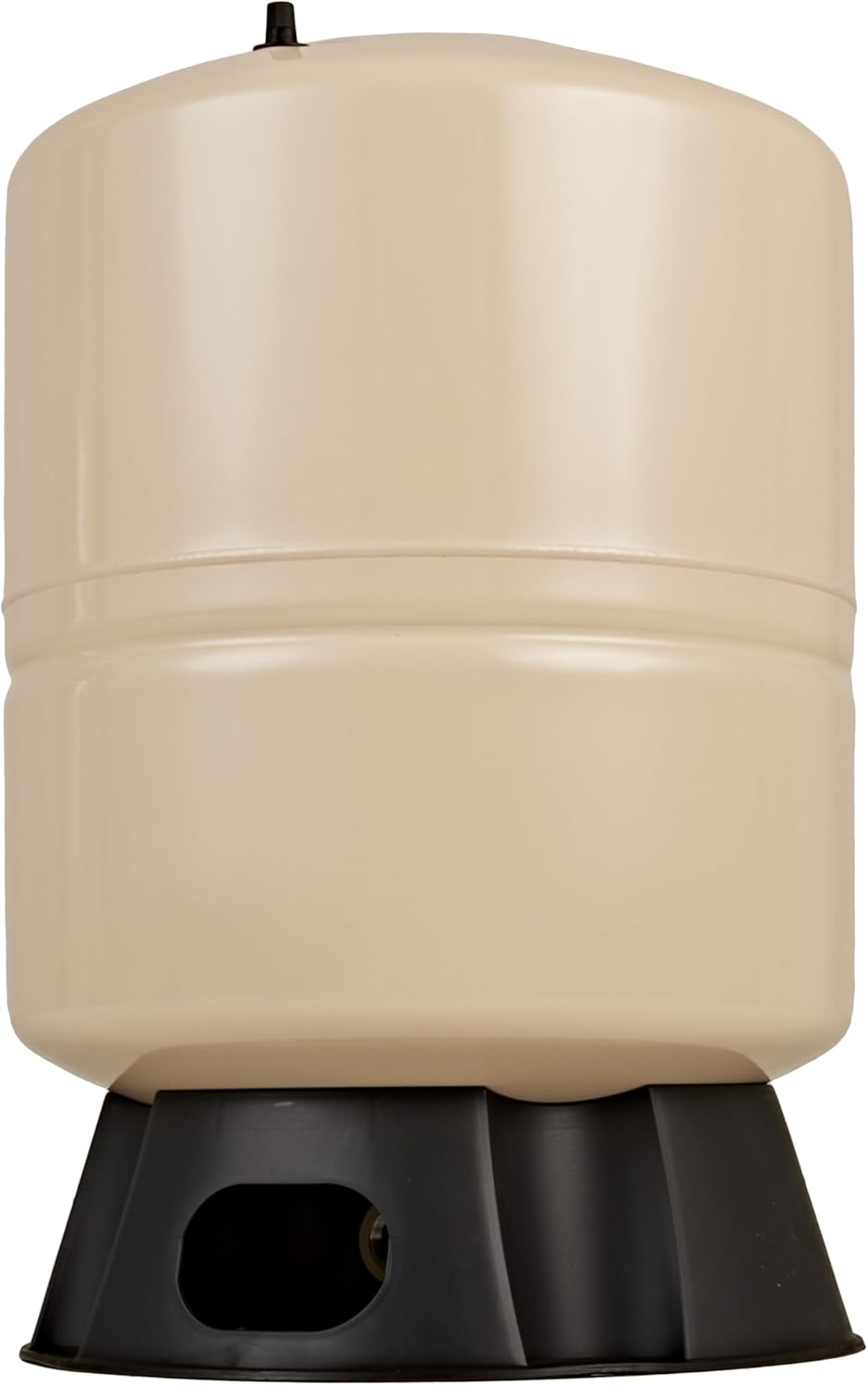
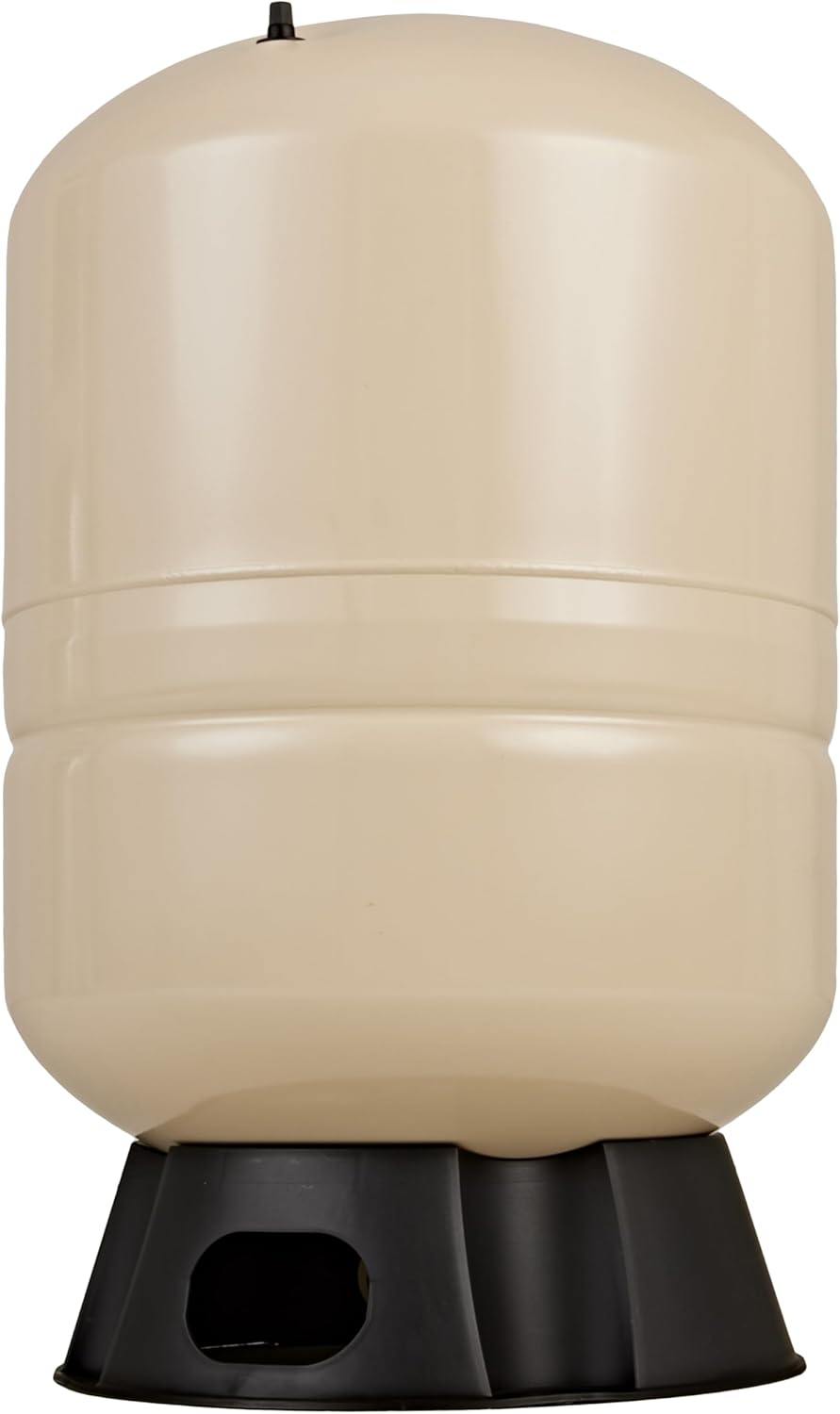
Step 4: Inspect the Pressure Tank
A completely waterlogged tank may prevent pressure delivery, though it will not usually cause zero flow.
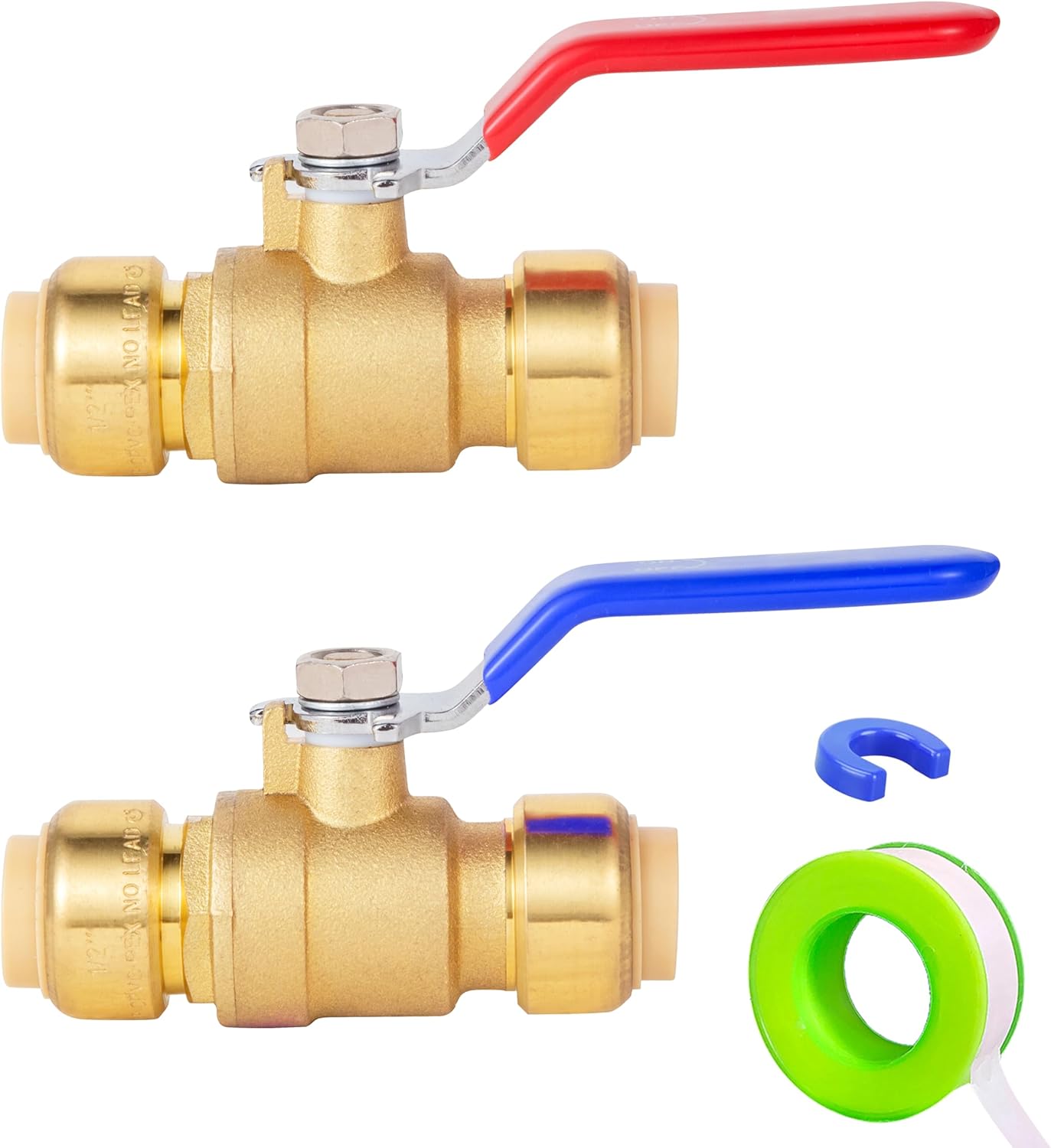
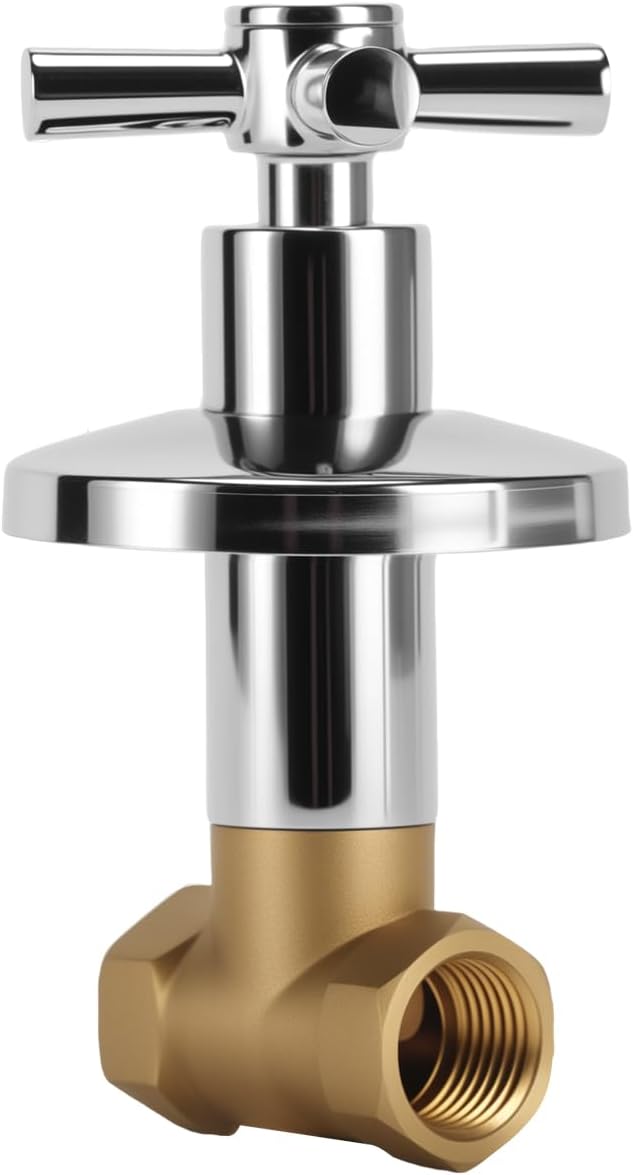
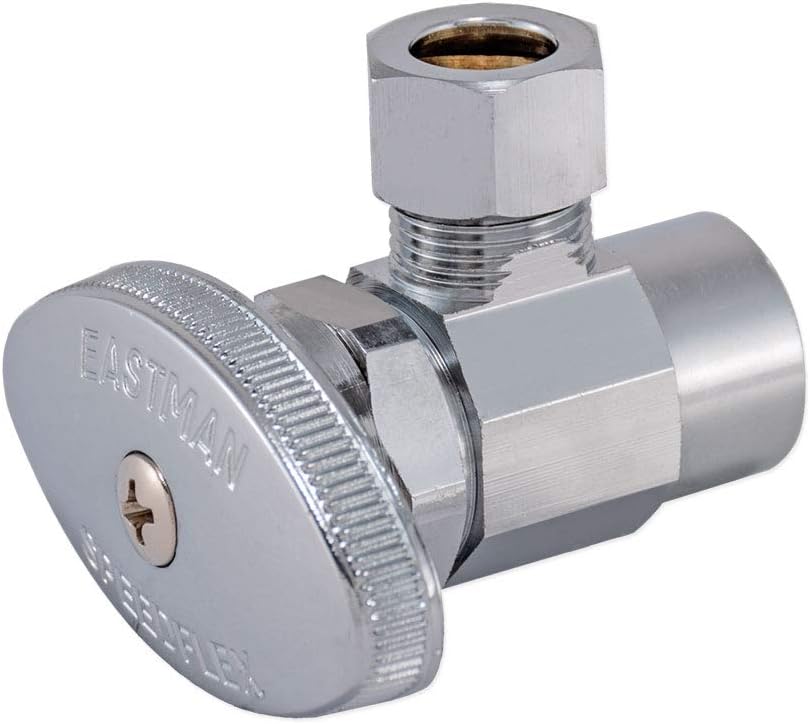
Step 5: Confirm Shutoff Valves Are Open
It sounds obvious, but partially closed or failed shutoff valves do happen.
What NOT to Do (This Destroys Pumps)
- Do not repeatedly cycle the breaker
- Do not bypass pressure switches
- Do not let the pump run unattended
When This Is No Longer DIY
Stop and call a professional if:
- You suspect a dry well
- The pump must be pulled
- The pump is submersible and inaccessible
- You hear abnormal motor noises
Preventing This Problem in the Future
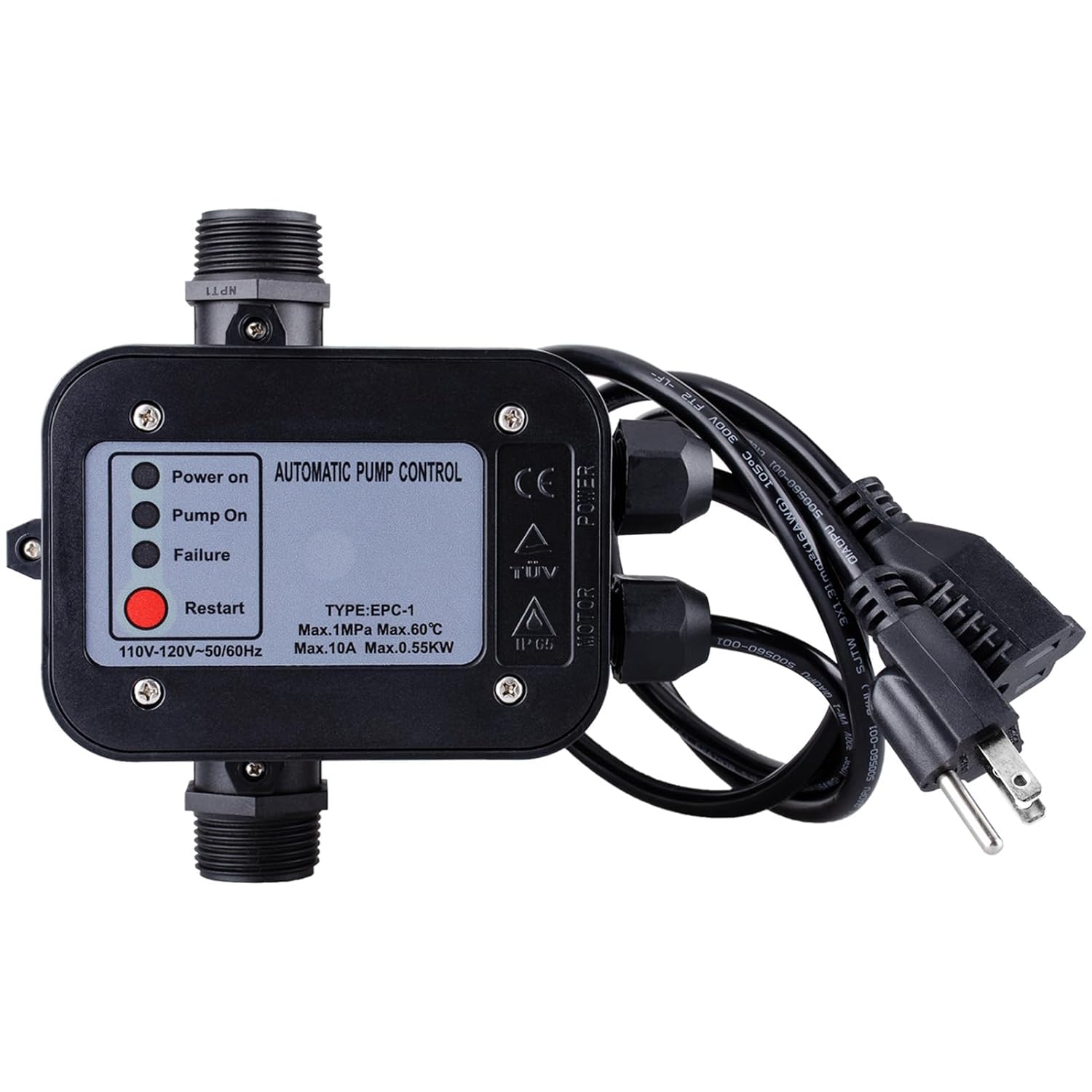
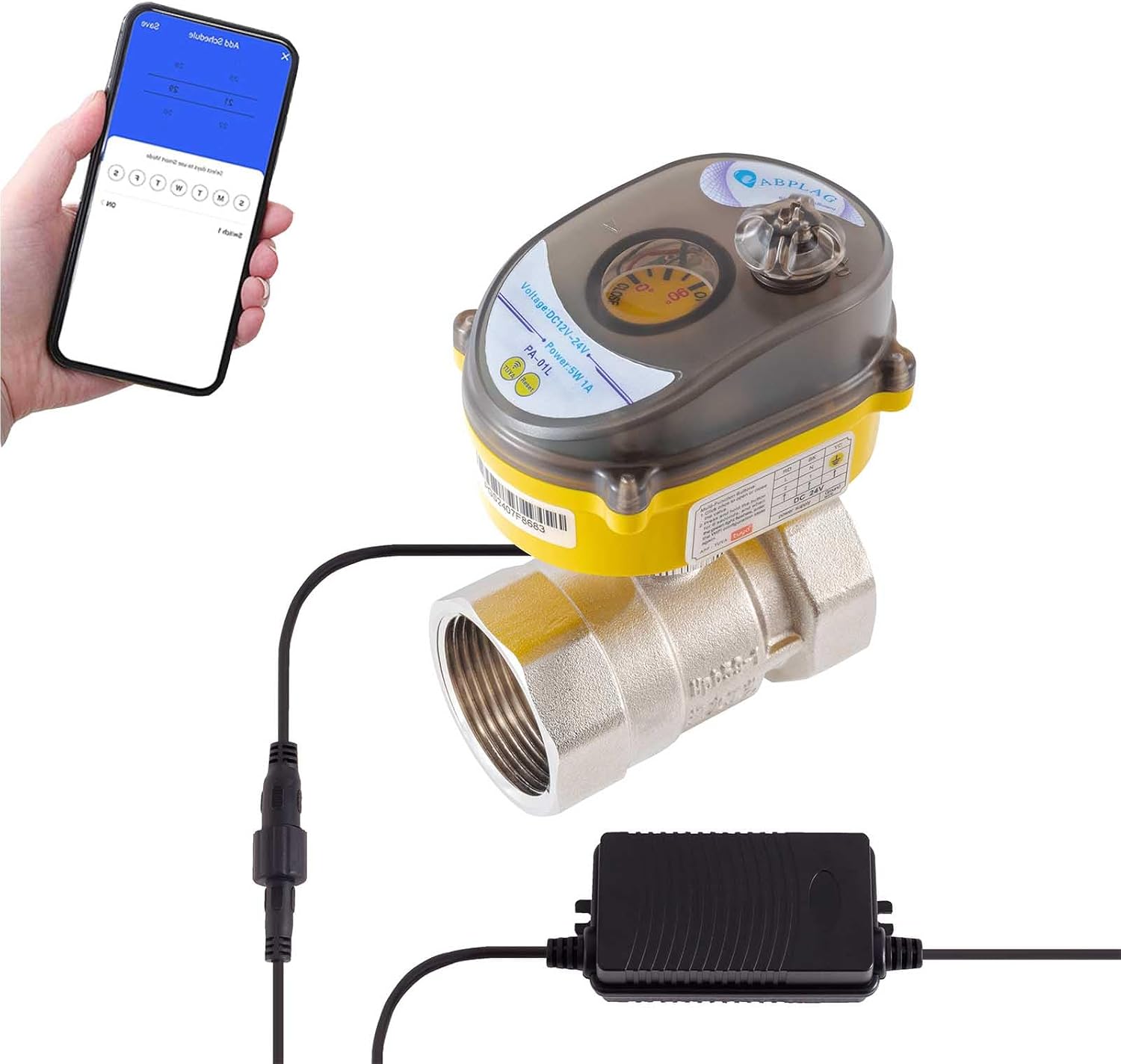
- Install low-water protection controls
- Protect exposed lines from freezing
- Use sediment filtration where sand is present
Final Takeaway
When a well pump has power but delivers no water, the situation feels urgent — but panic causes damage. Turning the pump off, diagnosing methodically, and knowing when to stop can mean the difference between a simple repair and a full pump replacement.
Related Products