Why Your Water Bill Suddenly Spiked (A Leak-Path and Meter Logic Diagnosis Guide)
Opening a water bill that’s double or triple your normal amount is one of the fastest ways to trigger panic. Many homeowners assume the utility made an error, or that rates quietly increased.
In reality, sudden water bill spikes almost always mean water is flowing somewhere continuously — often where you can’t see it.
This guide is designed to remove guesswork. It walks you through:
- How water meters actually record usage
- The most common hidden leak paths
- Step-by-step tests to isolate the cause
- When the issue is plumbing — and when it’s behavior or seasonal use
How Water Bills Are Actually Calculated
Water meters measure volume, not pressure. If water passes through the meter, you are billed for it — regardless of whether you benefited from that water.
Important implications:
- Even slow leaks add up over time
- Underground leaks are still billed
- Running fixtures don’t need to be loud to be expensive
The Most Common Causes of Sudden Water Bill Spikes
1. Running or Leaking Toilets
Toilets are the #1 cause of unexplained water usage.
- Worn flappers leak silently into the bowl
- Overflow tubes mask continuous refill
2. Underground Service Line Leaks
Leaks between the meter and the house are invisible and extremely costly.
Warning signs:
- Wet spots in the yard
- Soft soil near the service line
- Meter movement when all water is off
3. Outdoor and Irrigation Leaks
Sprinkler systems, hose bibs, and buried valves often fail unnoticed.
4. Seasonal or Behavioral Changes
New appliances, guests, or irrigation schedules can legitimately increase usage.
Step-by-Step Diagnosis (Do This in Order)
Step 1: Read the Water Meter
Locate the meter and note the reading. Turn off all water inside and outside the home.
Wait 15–30 minutes and recheck.
- Meter moved → leak is present
- No movement → usage-based spike
Step 2: Isolate the House Plumbing
Shut off the main valve inside the house.
- Meter still moves → service line leak
- Meter stops → leak inside the house
Step 3: Perform a Toilet Dye Test
Add dye to toilet tanks and wait 15 minutes.
- Dye in bowl → leaking flapper
Step 4: Check Outdoor Fixtures
Inspect hose bibs, irrigation valves, and timers.
Why Small Leaks Cause Big Bills
A toilet leaking one gallon per minute wastes:
- 1,440 gallons per day
- Over 43,000 gallons per month
Leaks don’t need to be dramatic to be expensive.
How to Fix the Problem Correctly
Fix Toilets and Fixtures First
These repairs are inexpensive and often resolve the issue entirely.
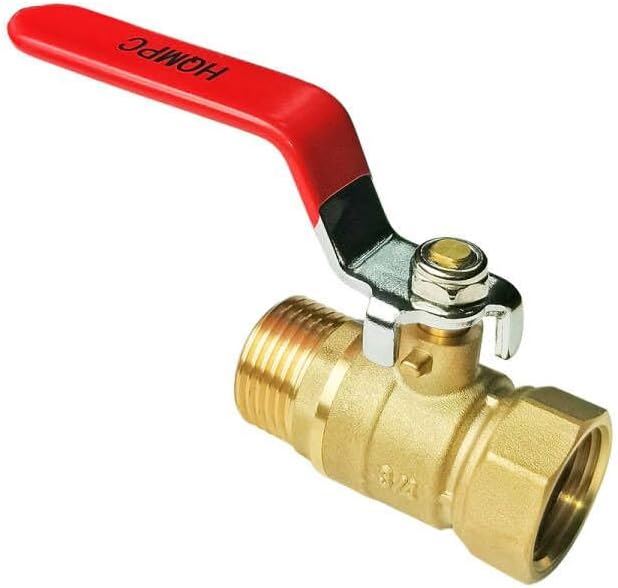
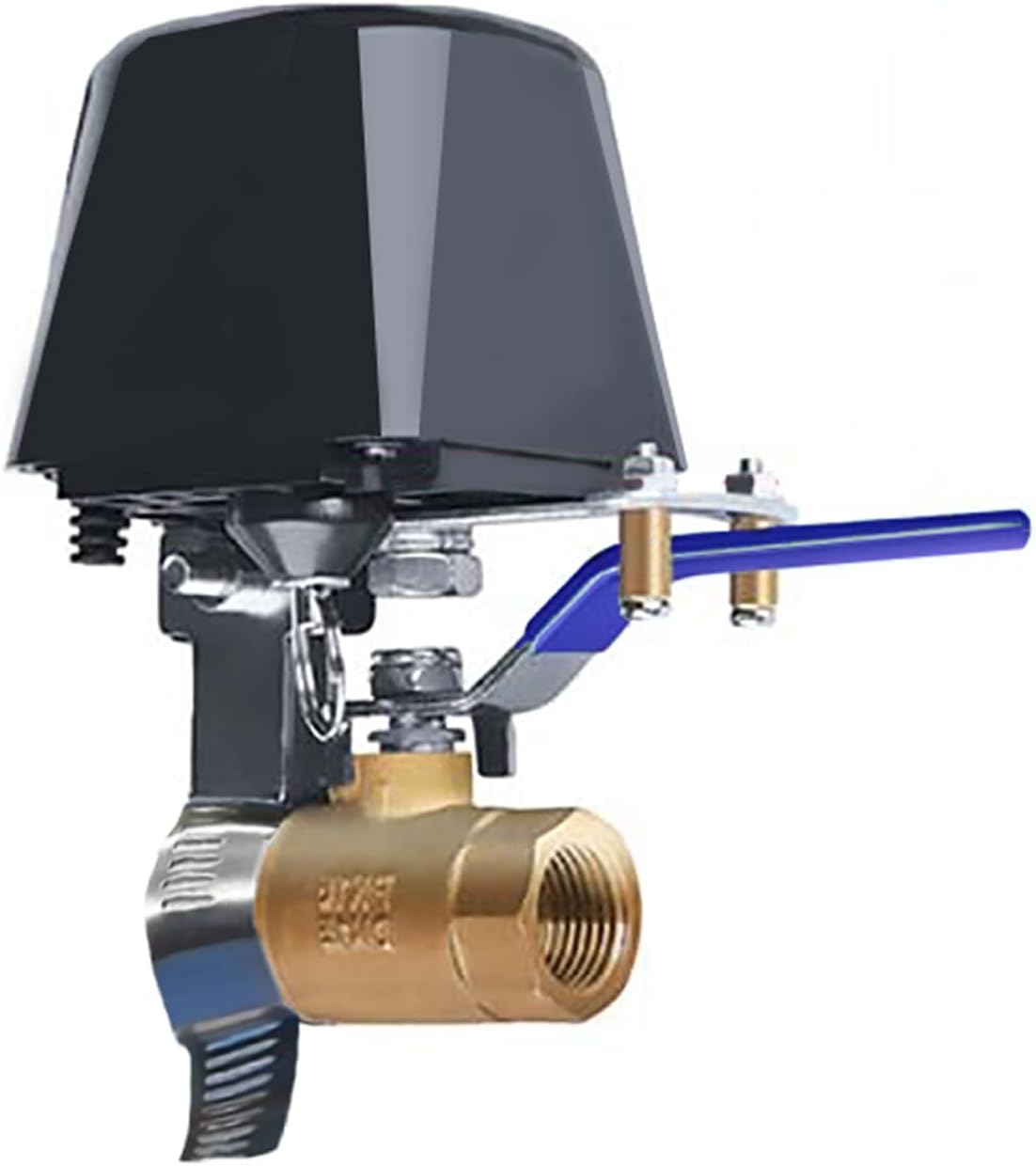
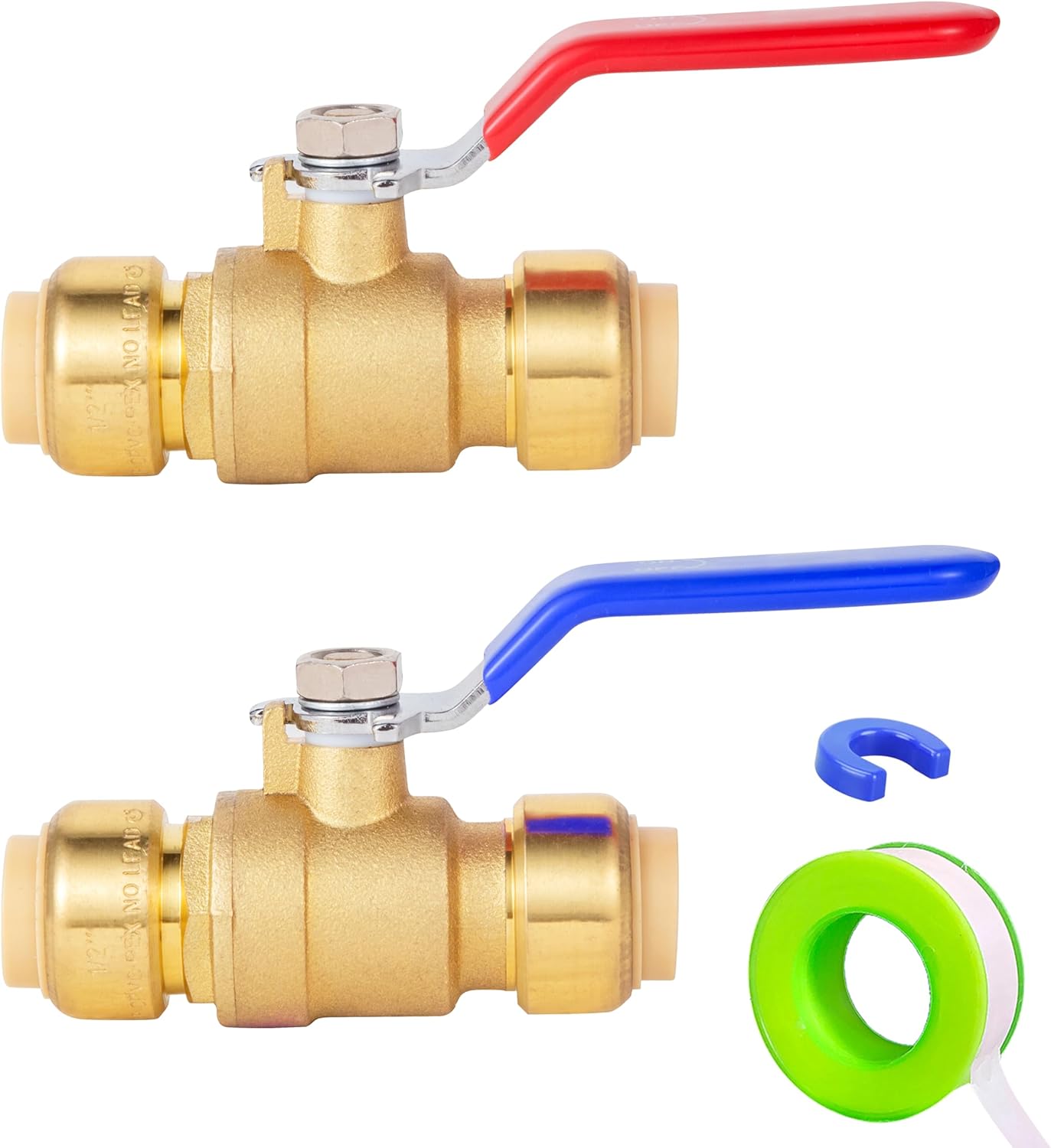
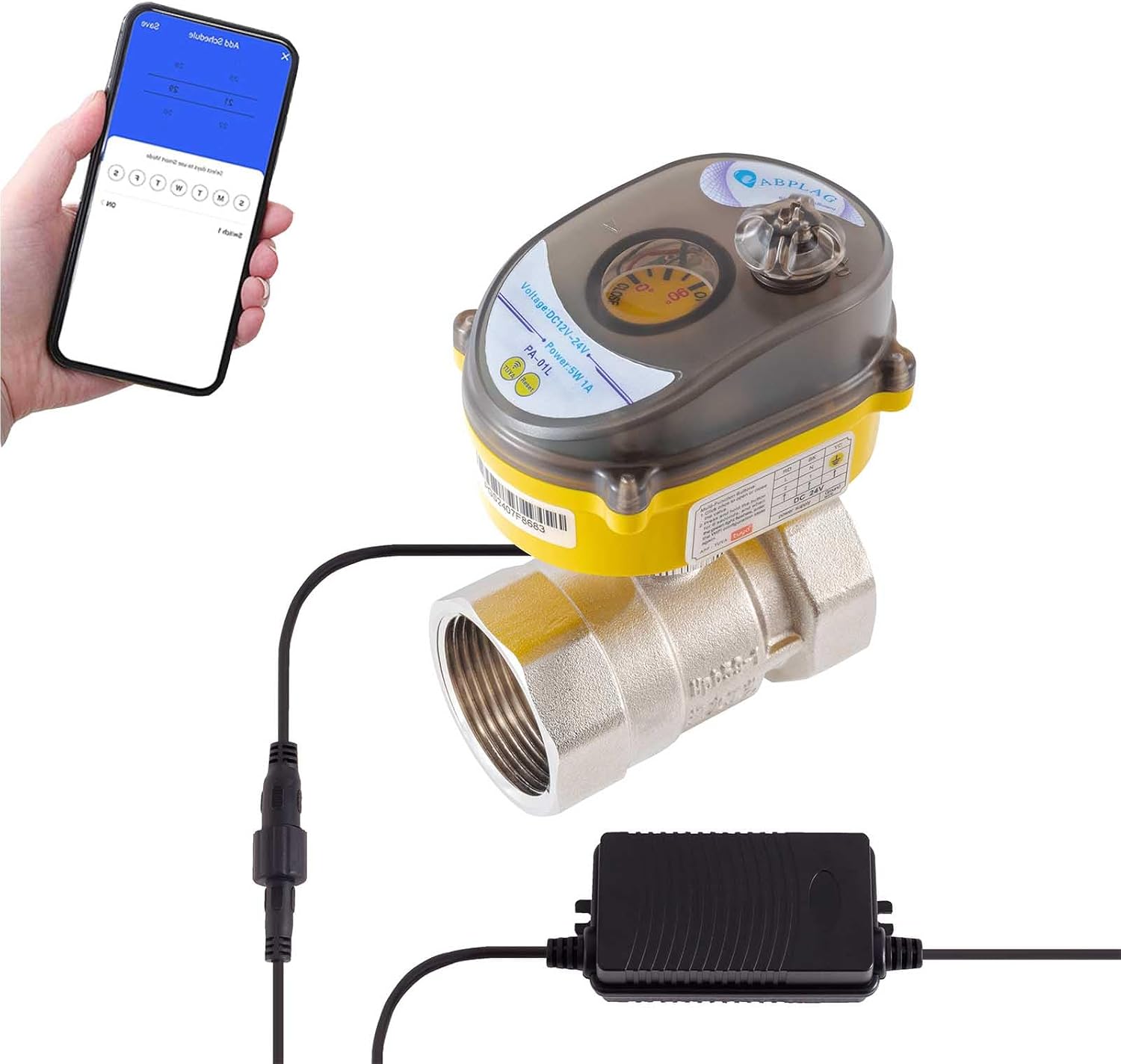
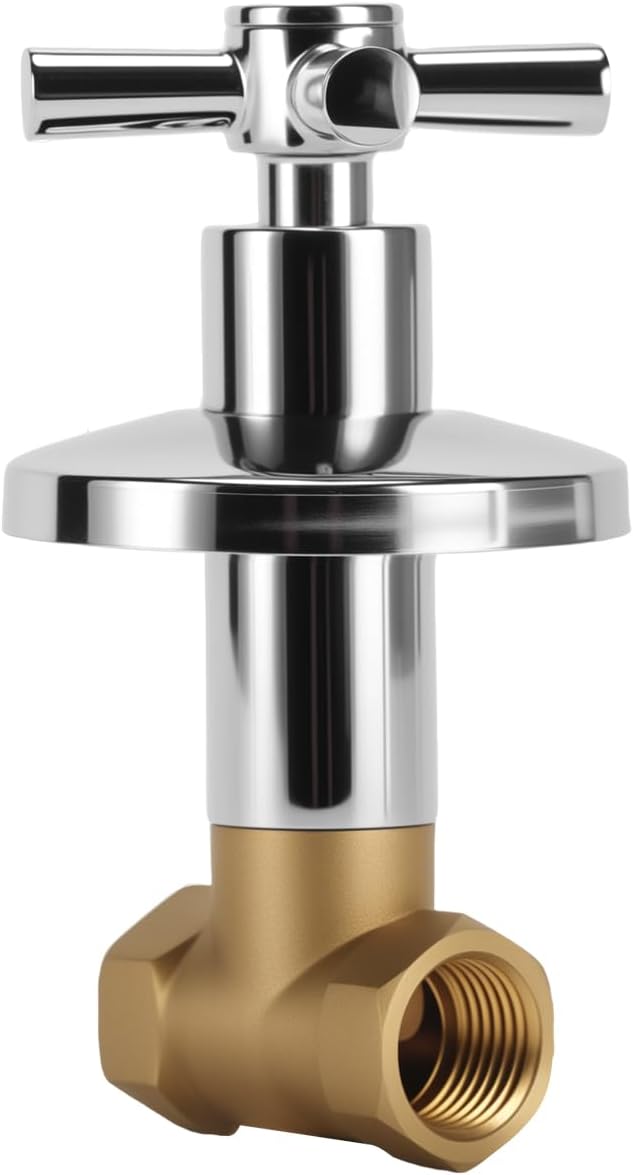
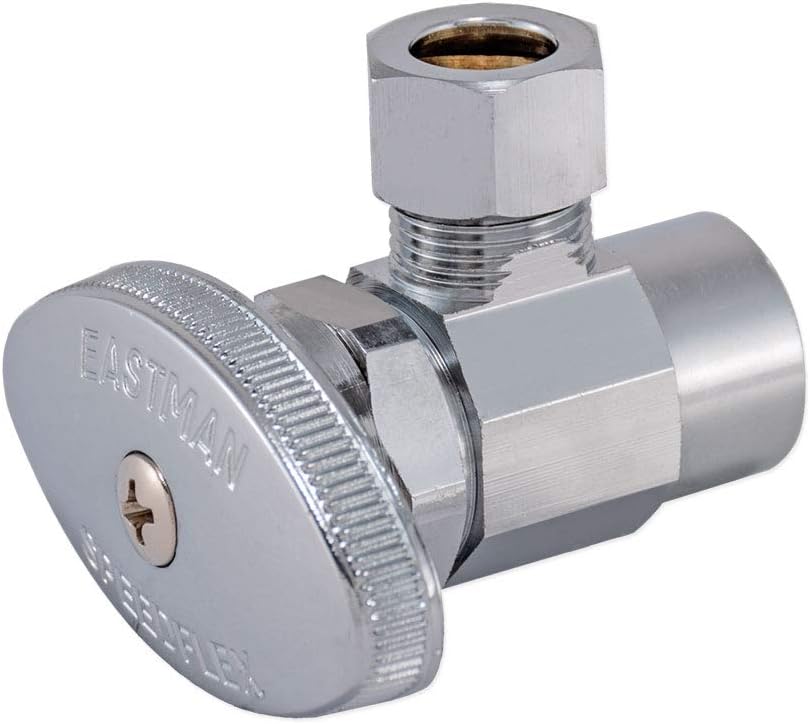
Repair or Replace Failed Shutoff Valves
Valves that don’t close fully prevent proper isolation.
Address Underground Leaks Professionally
Service line leaks require specialized detection and repair.


What NOT to Do
- Do not assume billing errors without testing
- Do not ignore meter movement
- Do not delay underground leak repairs
Preventing Future Water Bill Surprises
- Read your meter quarterly
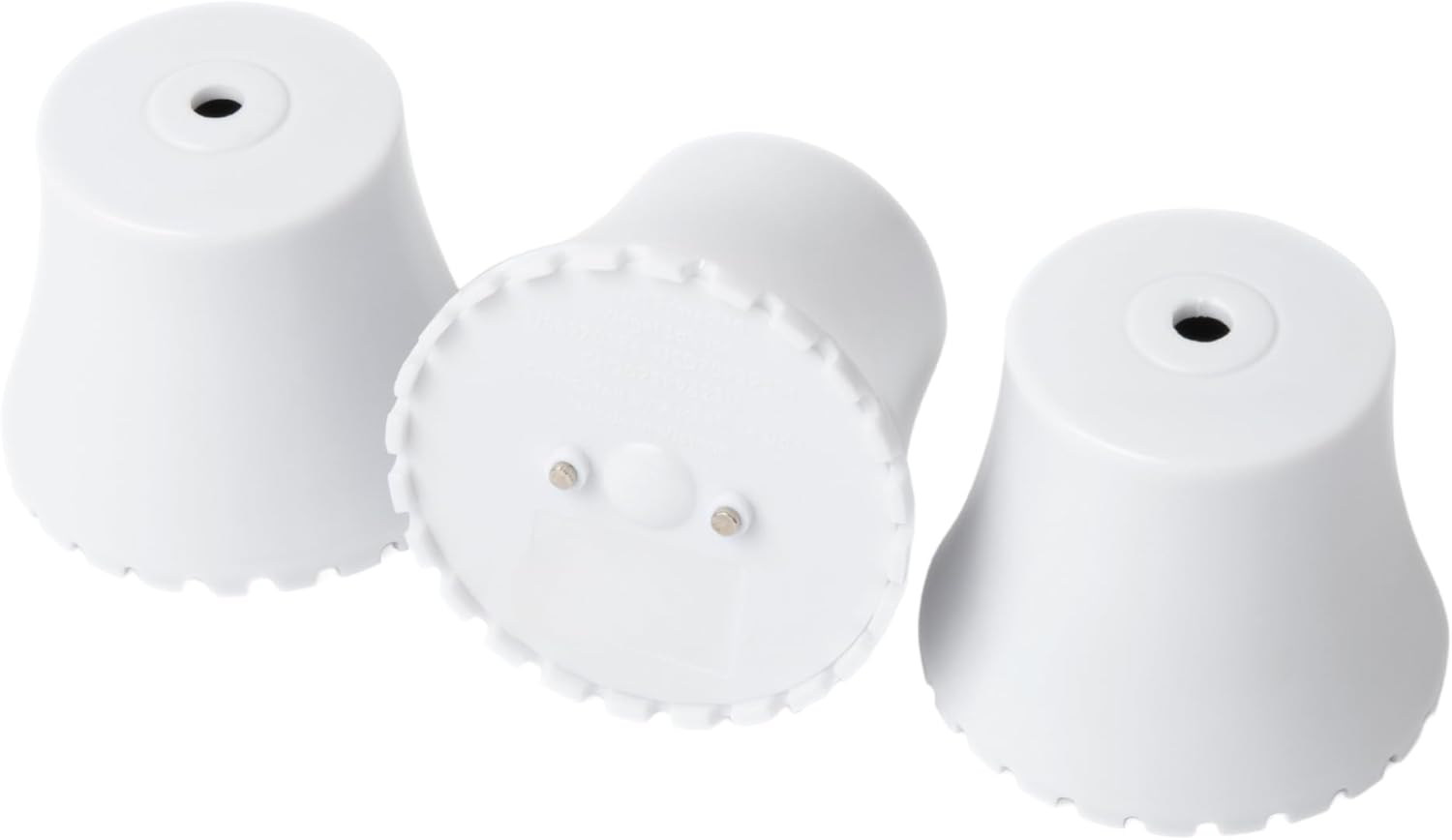
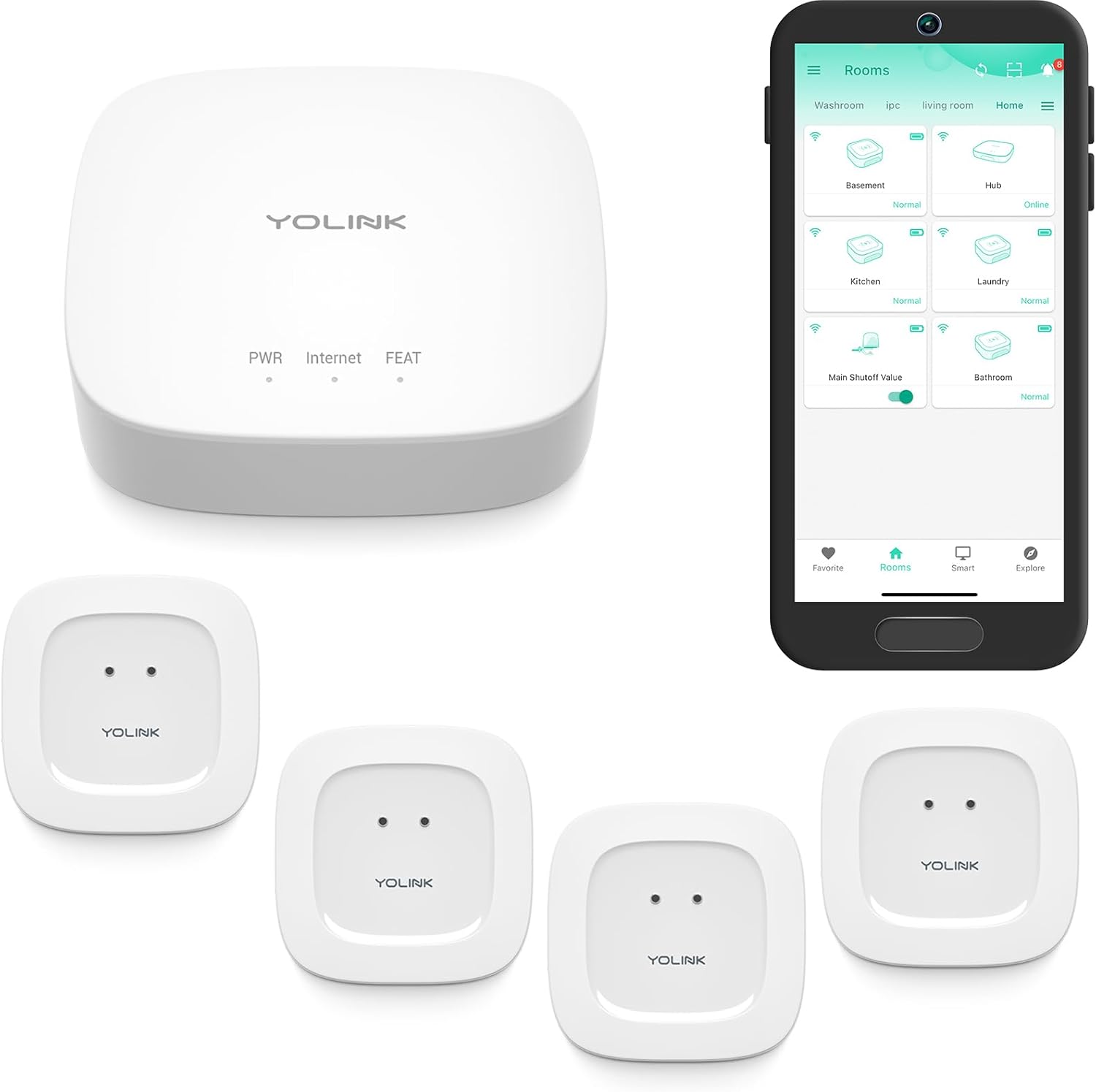
- Install leak detection
- Replace aging valves proactively
Final Takeaway
Sudden water bill spikes are rarely mistakes. Following the meter, isolating leak paths, and fixing problems early saves thousands of gallons — and prevents repeat surprises.
Related Products