Why Your Toilet Takes Forever to Refill (A Complete Flow-Restriction Diagnosis Guide)
A slow-refilling toilet is usually treated as a minor annoyance. Many homeowners live with it for years, assuming it’s normal or that the toilet is simply old.
In reality, a slow refill is a symptom of restricted water flow — and that restriction often exists elsewhere in the plumbing system as well. Left unaddressed, the same issue that slows your toilet can damage valves, reduce pressure, and create future leaks.
This guide explains:
- How toilet refill systems actually work
- Where flow restrictions really occur
- How to diagnose the exact choke point
- The correct fixes that restore full, reliable refill speed
How a Toilet Is Supposed to Refill
After a flush, the fill valve opens and allows pressurized water to enter the tank. As the water level rises, the float closes the valve at a preset height.
A normal refill takes:
- 30–60 seconds for standard toilets
- Up to 90 seconds for some high-efficiency models
Anything longer indicates restricted flow to the fill valve.
The Most Common Causes of Slow Toilet Refill
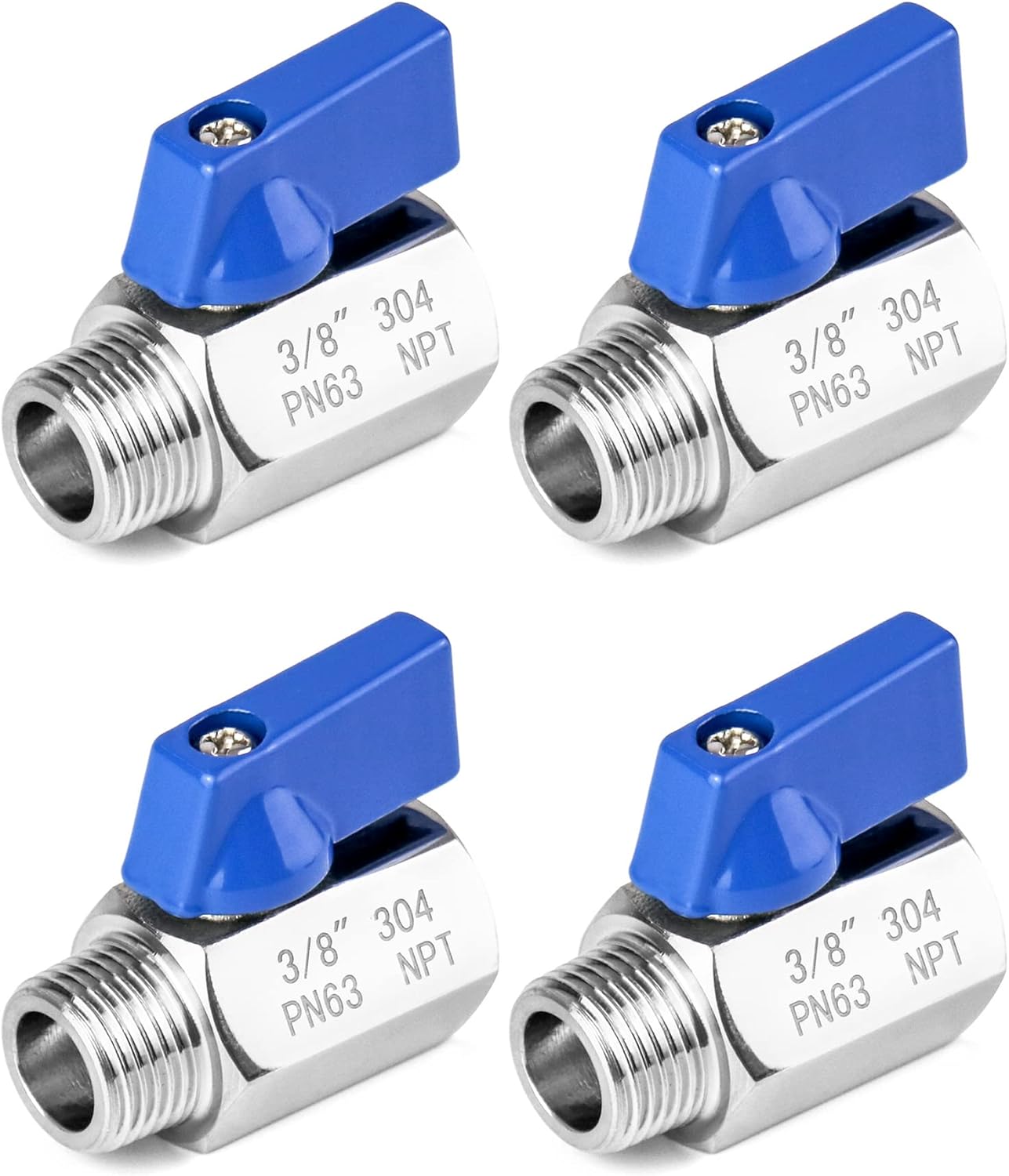
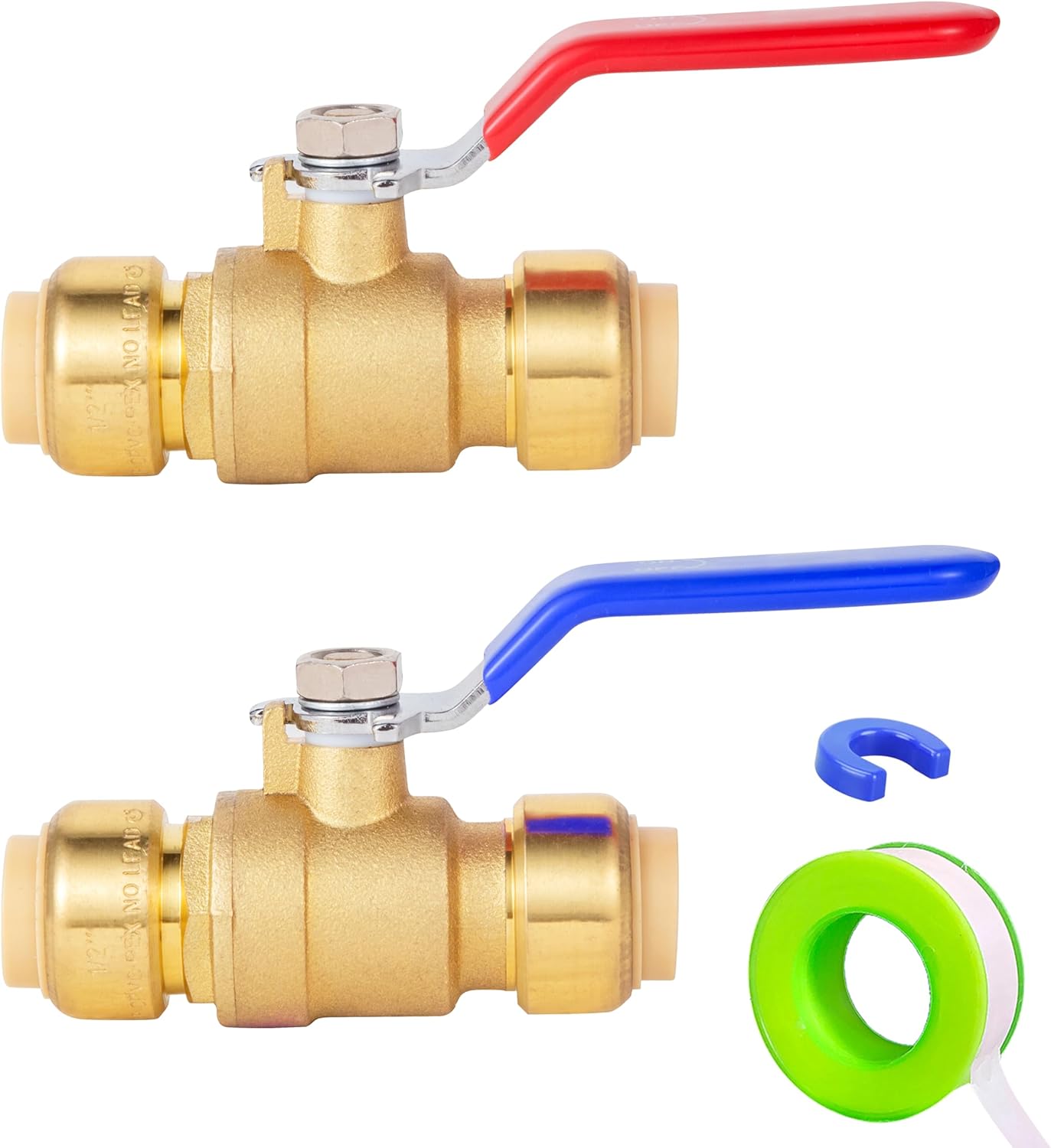
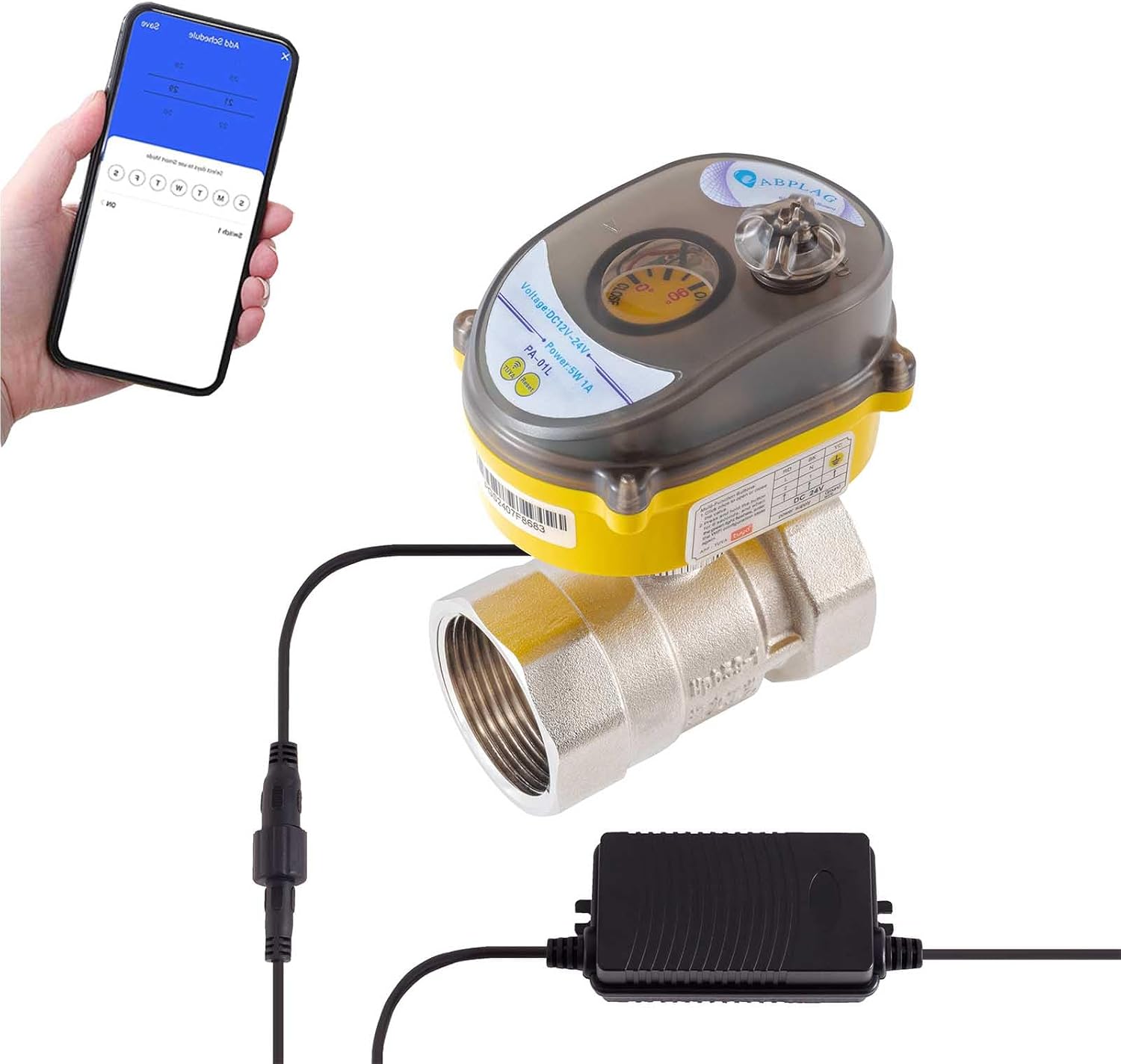
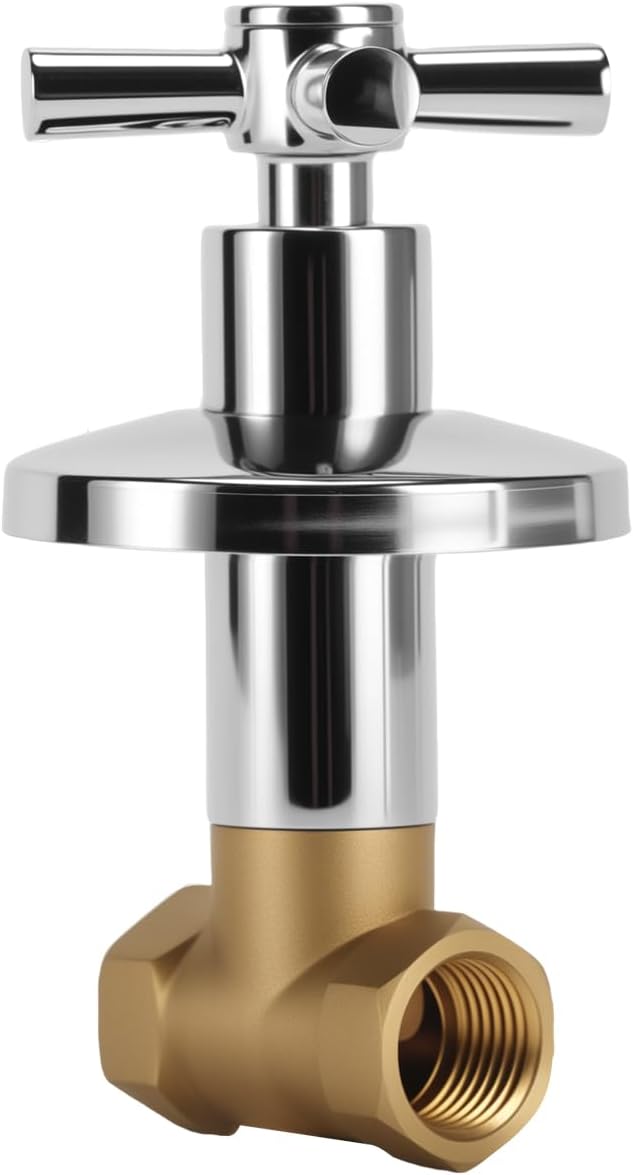
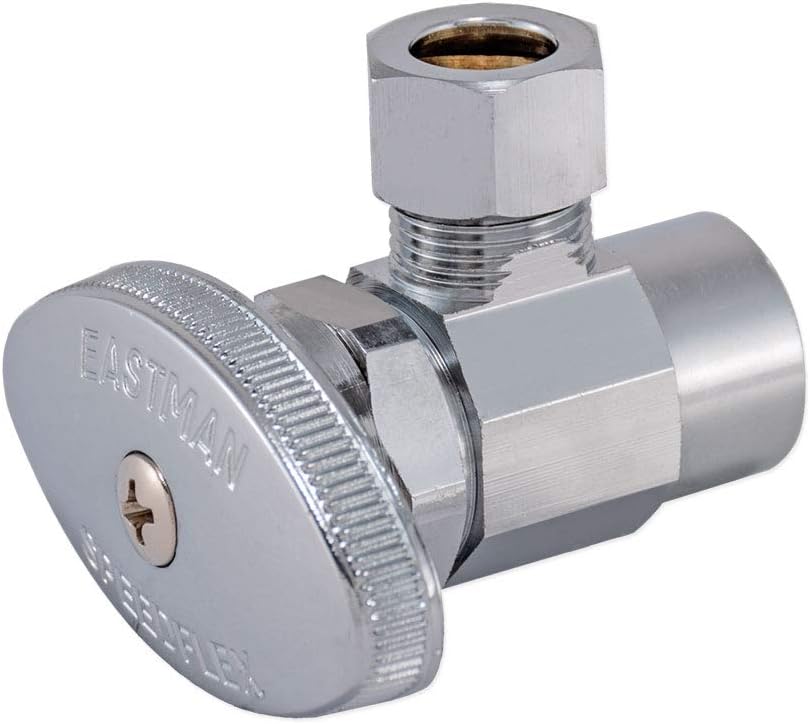
1. Partially Closed or Failing Shutoff Valve
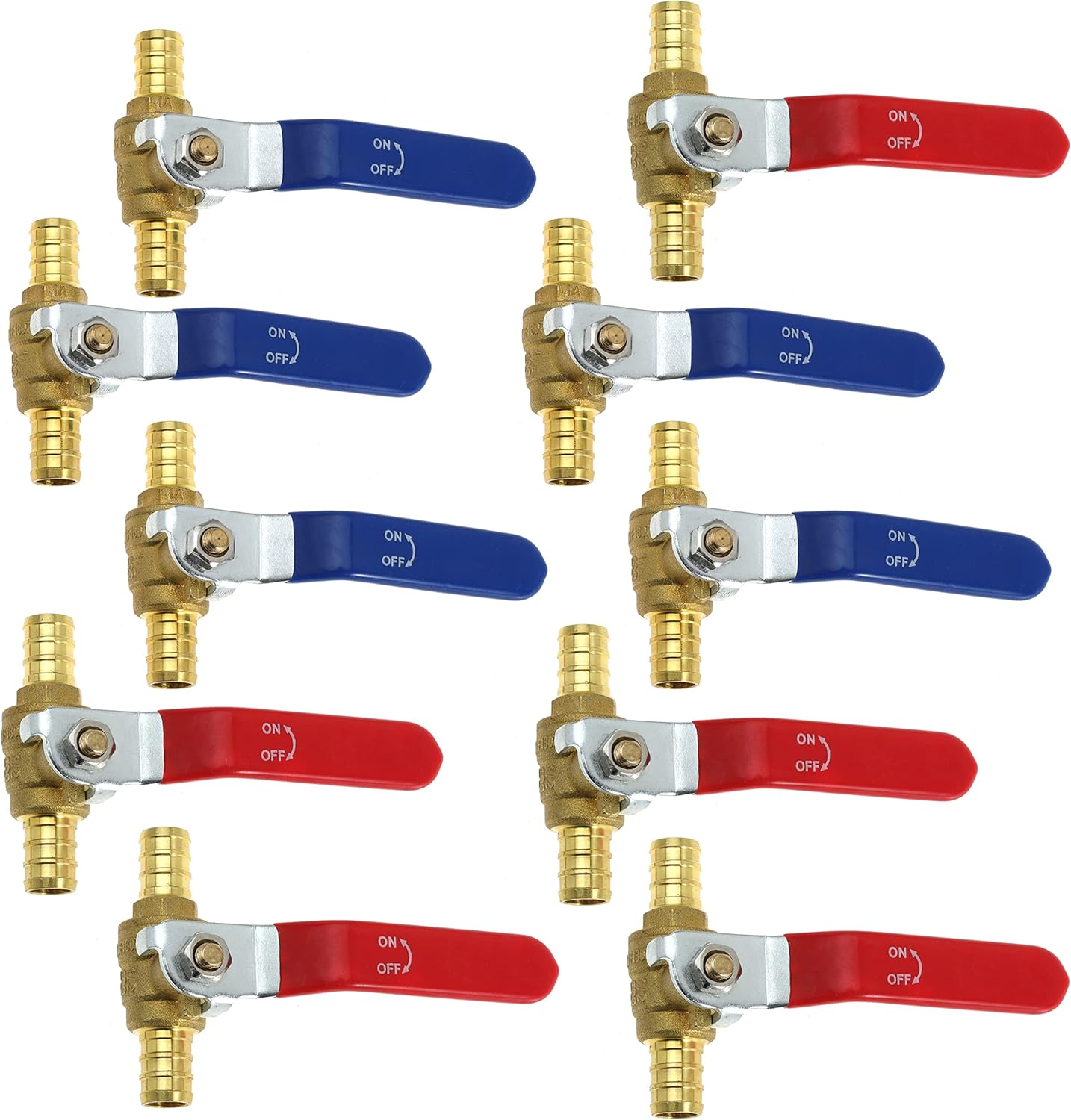
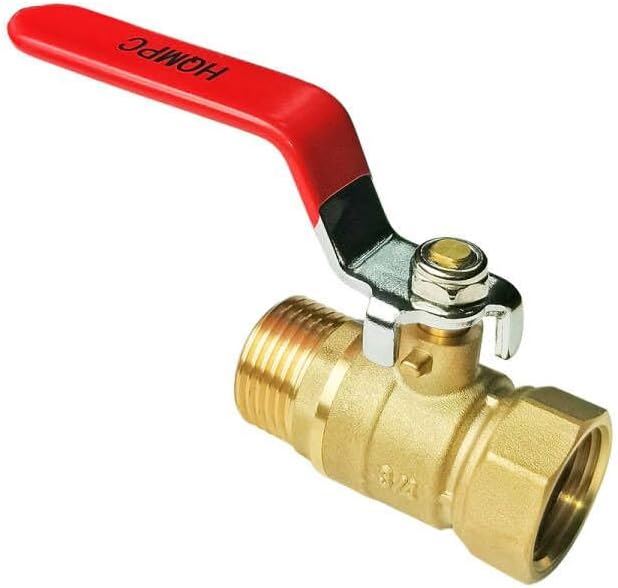
The toilet shutoff valve is the most common restriction point.
- Valves corrode internally
- Old gate-style valves fail to open fully
- Valves may appear open but are not
2. Debris in the Fill Valve Screen
Most fill valves contain a small inlet screen that traps sediment. Over time, this screen clogs and dramatically reduces flow.
This is especially common in:
- Homes with sediment issues
- Older plumbing systems
- After water main or well disturbances
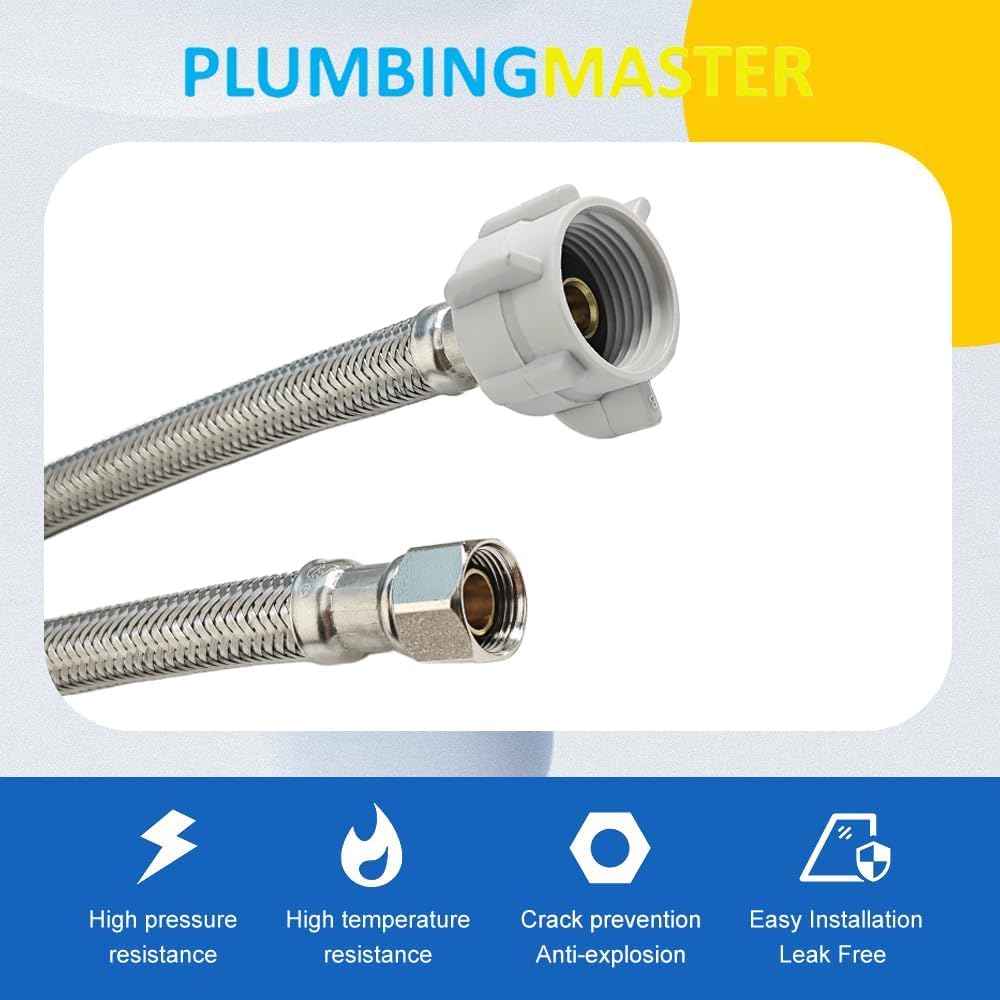
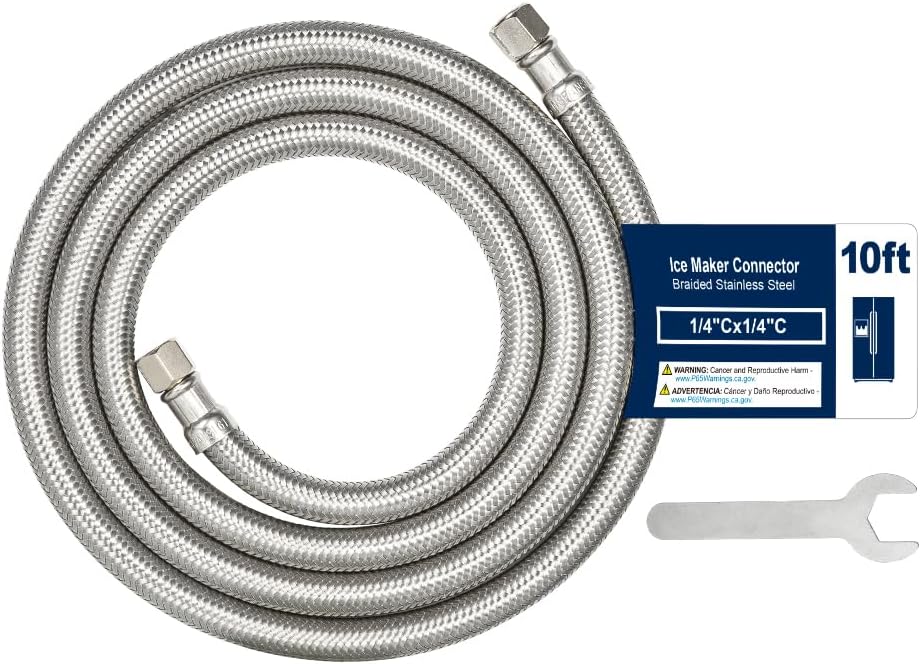
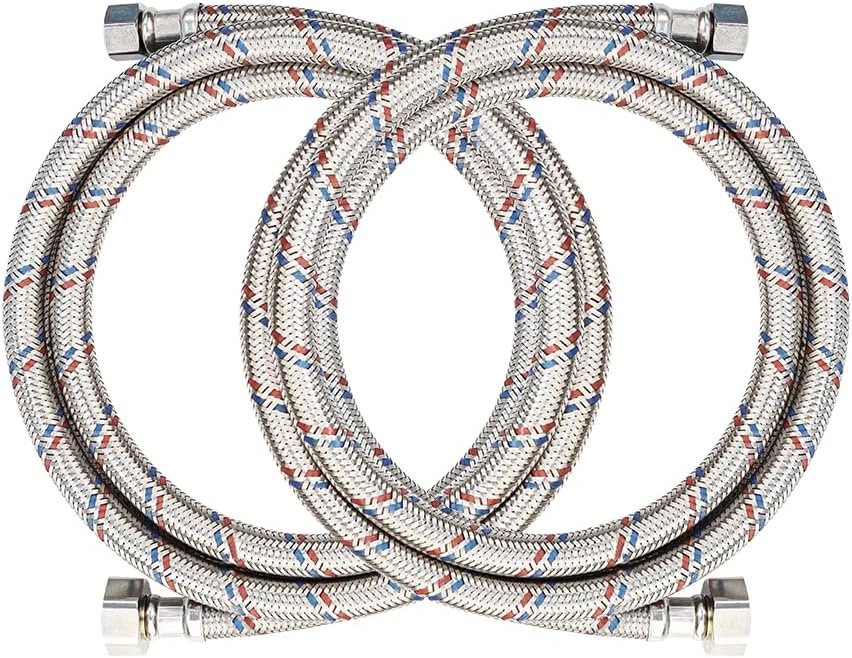
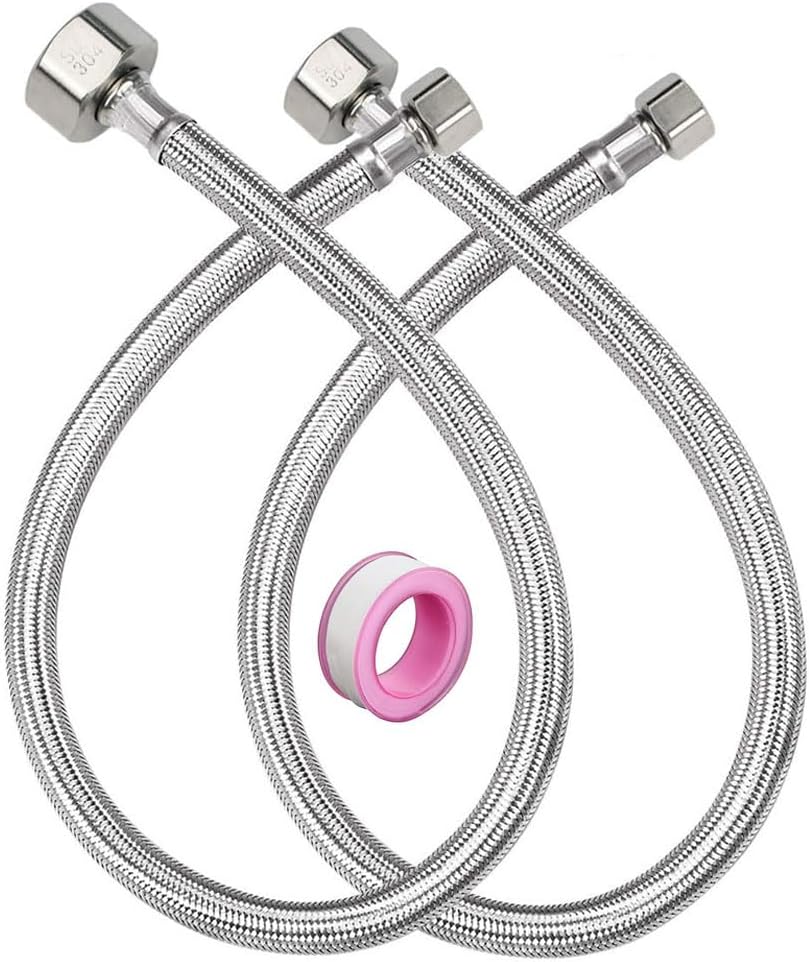
3. Restricted or Collapsed Supply Line
Flexible supply lines can collapse internally without visible kinks.
4. Low System Pressure (Less Common)
If multiple fixtures refill slowly, the issue may be system-wide rather than toilet-specific.
Step-by-Step Diagnosis (Do This in Order)
Step 1: Compare With Other Fixtures
If sinks and showers flow normally, the problem is localized to the toilet.
Step 2: Check the Shutoff Valve
Turn the valve fully open, then close and reopen it once to break loose internal deposits.
If the valve feels gritty, loose, or does not change flow, replacement is recommended.
Step 3: Inspect the Fill Valve Screen
Shut off water, disconnect the supply line, and inspect the inlet screen for debris.
Cleaning may restore flow, but replacement is often more reliable.
Step 4: Replace the Supply Line
Supply lines are inexpensive and frequently the hidden restriction.
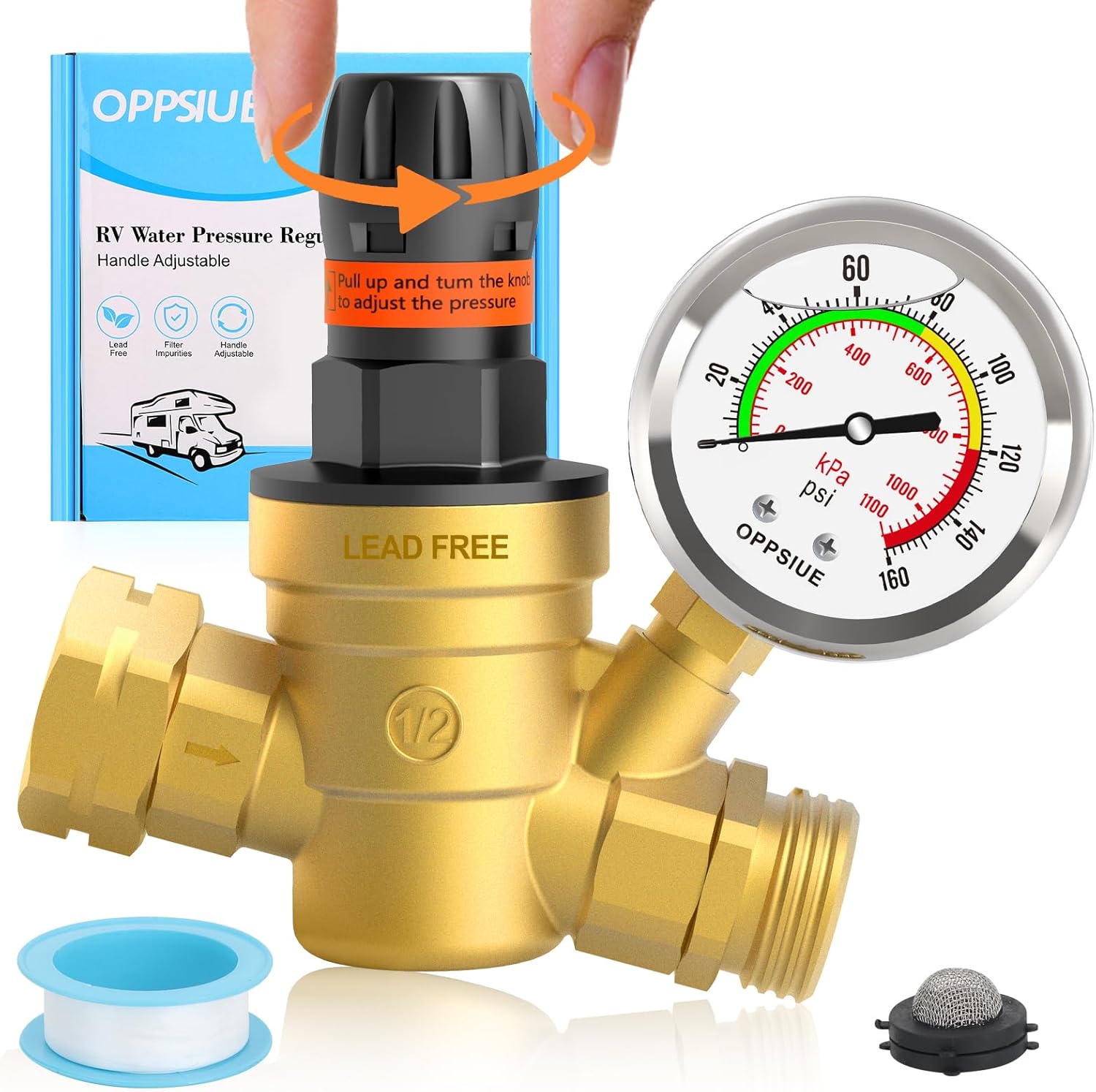
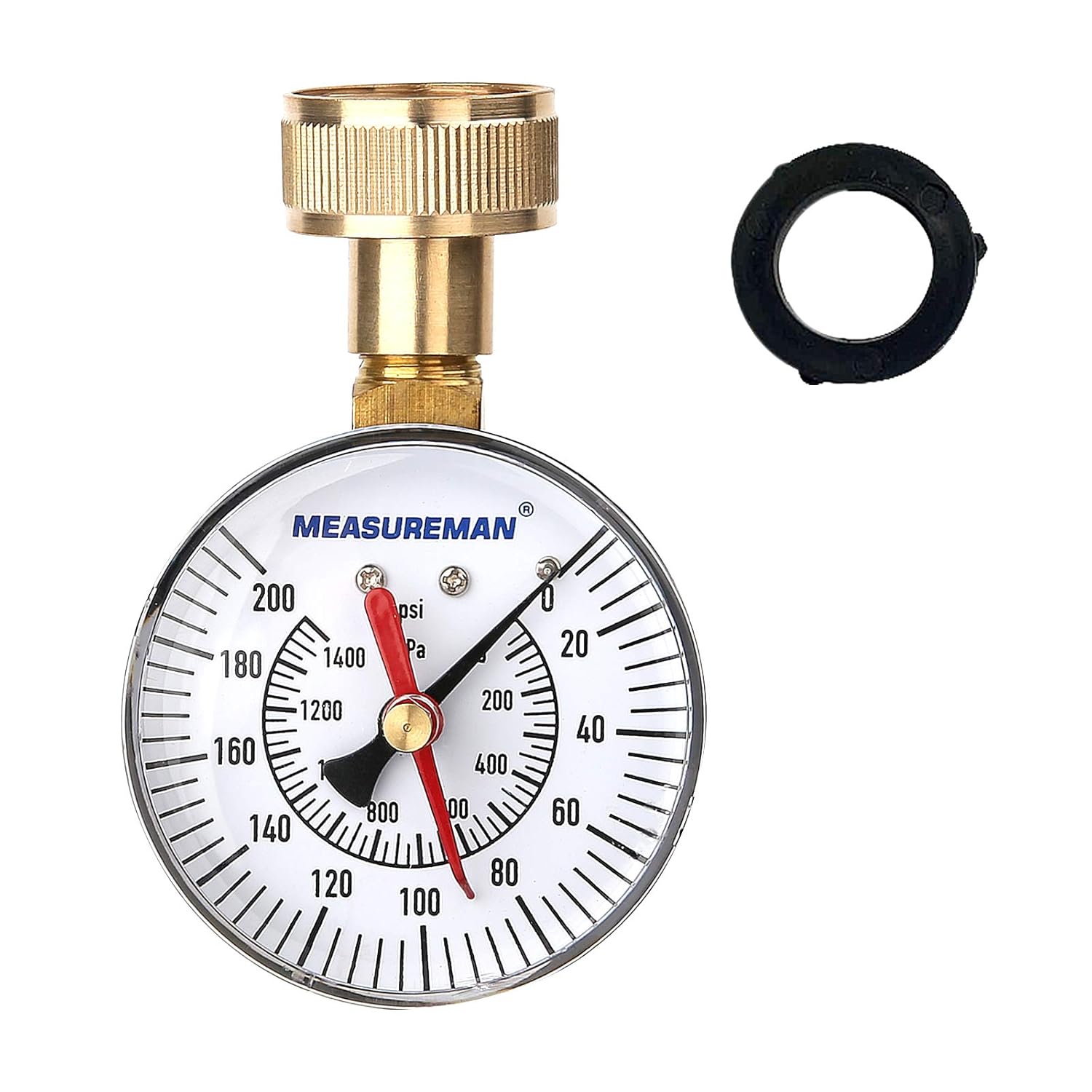
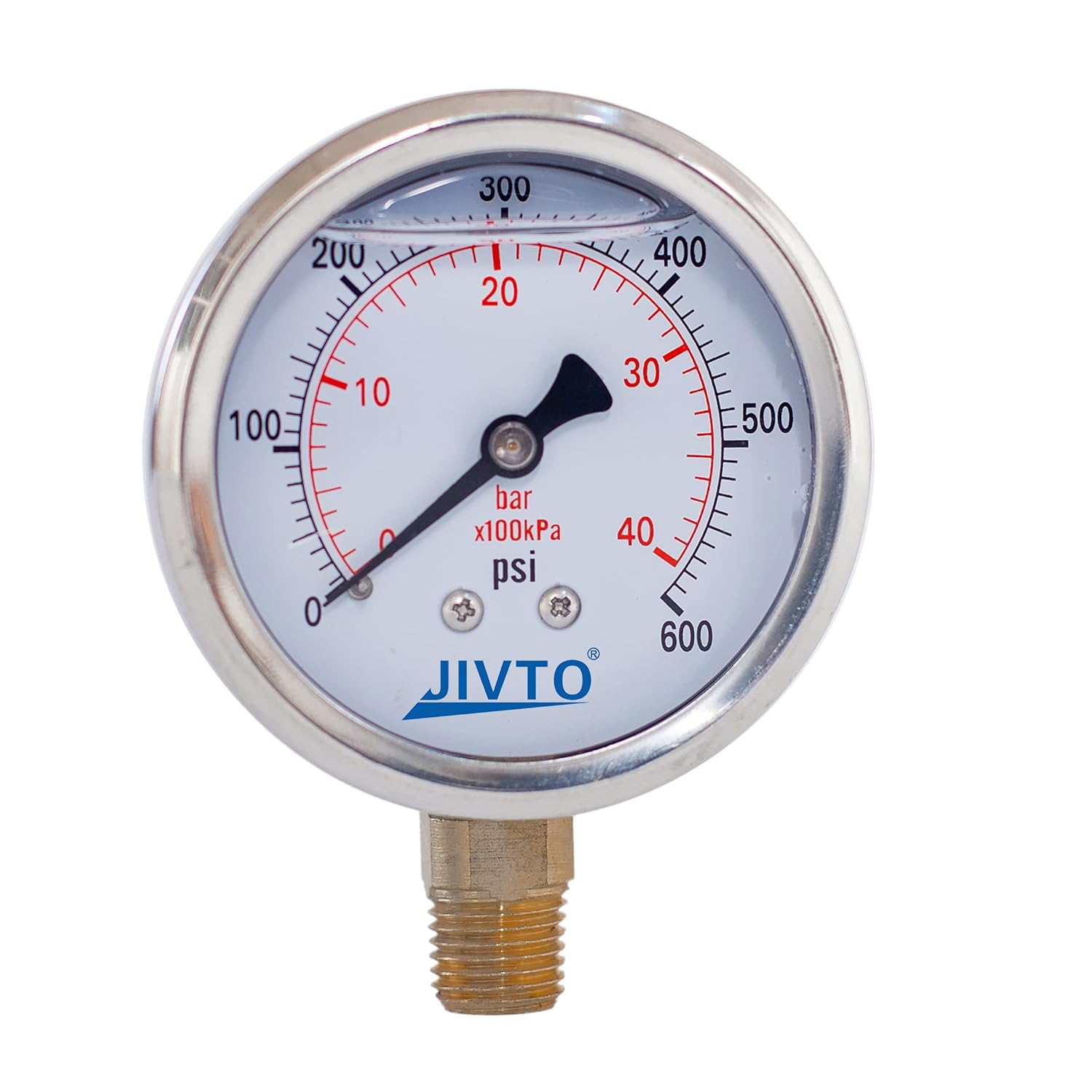
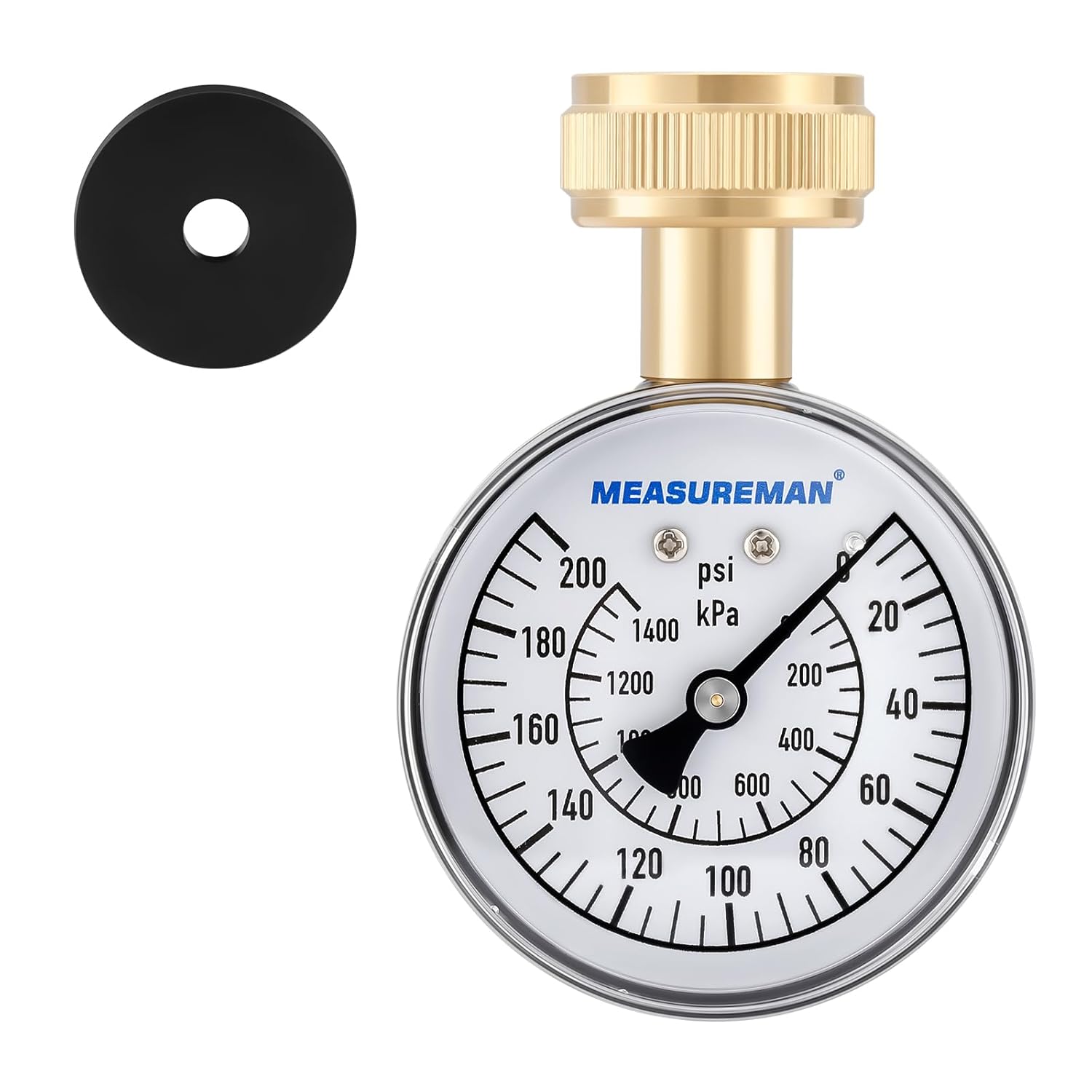
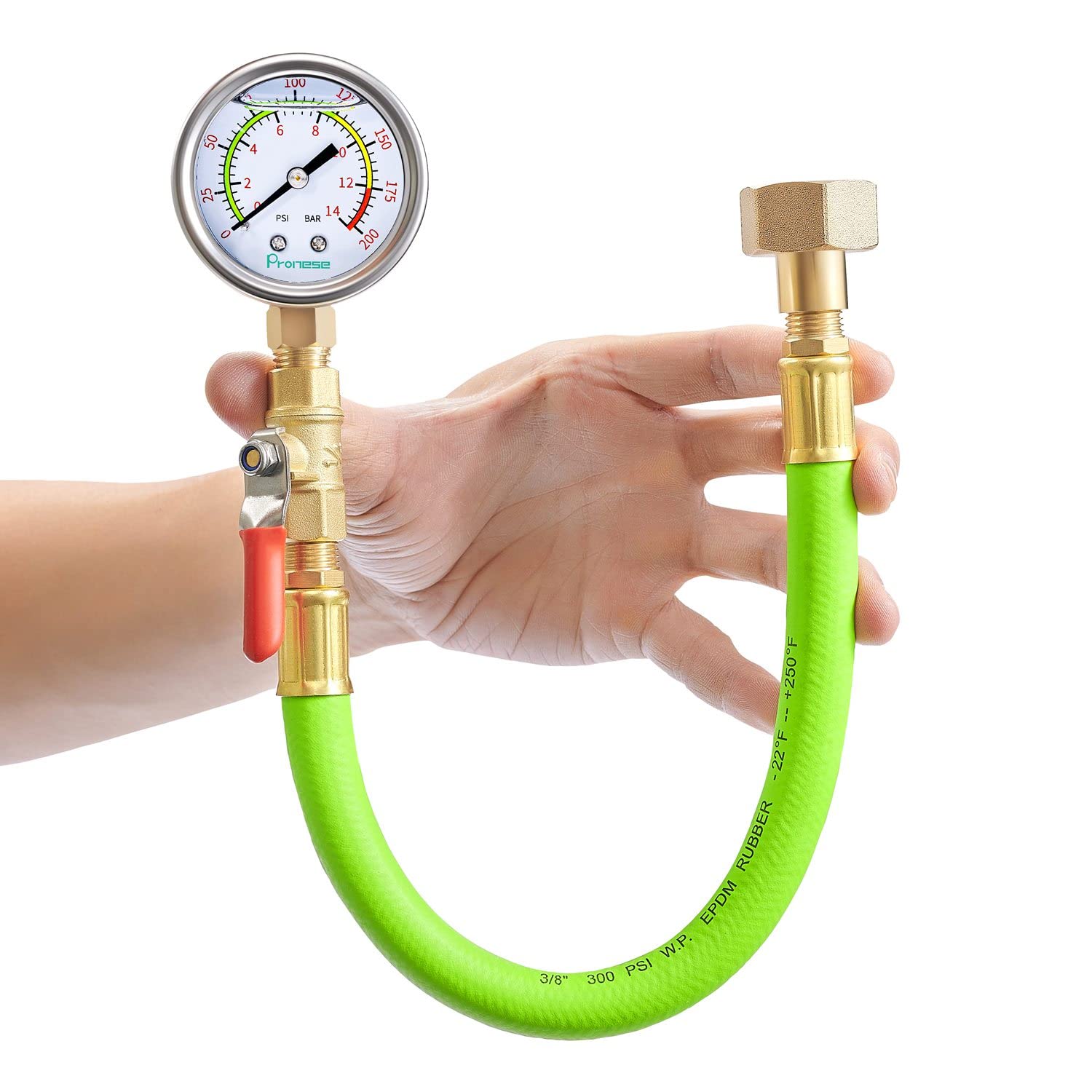
Step 5: Measure System Pressure (If Needed)
If refill remains slow after localized fixes, verify overall water pressure.
Why Ignoring Slow Refill Causes Bigger Problems
Restricted flow increases wear on:
- Fill valves
- Shutoff valves
- Pressure-regulating components
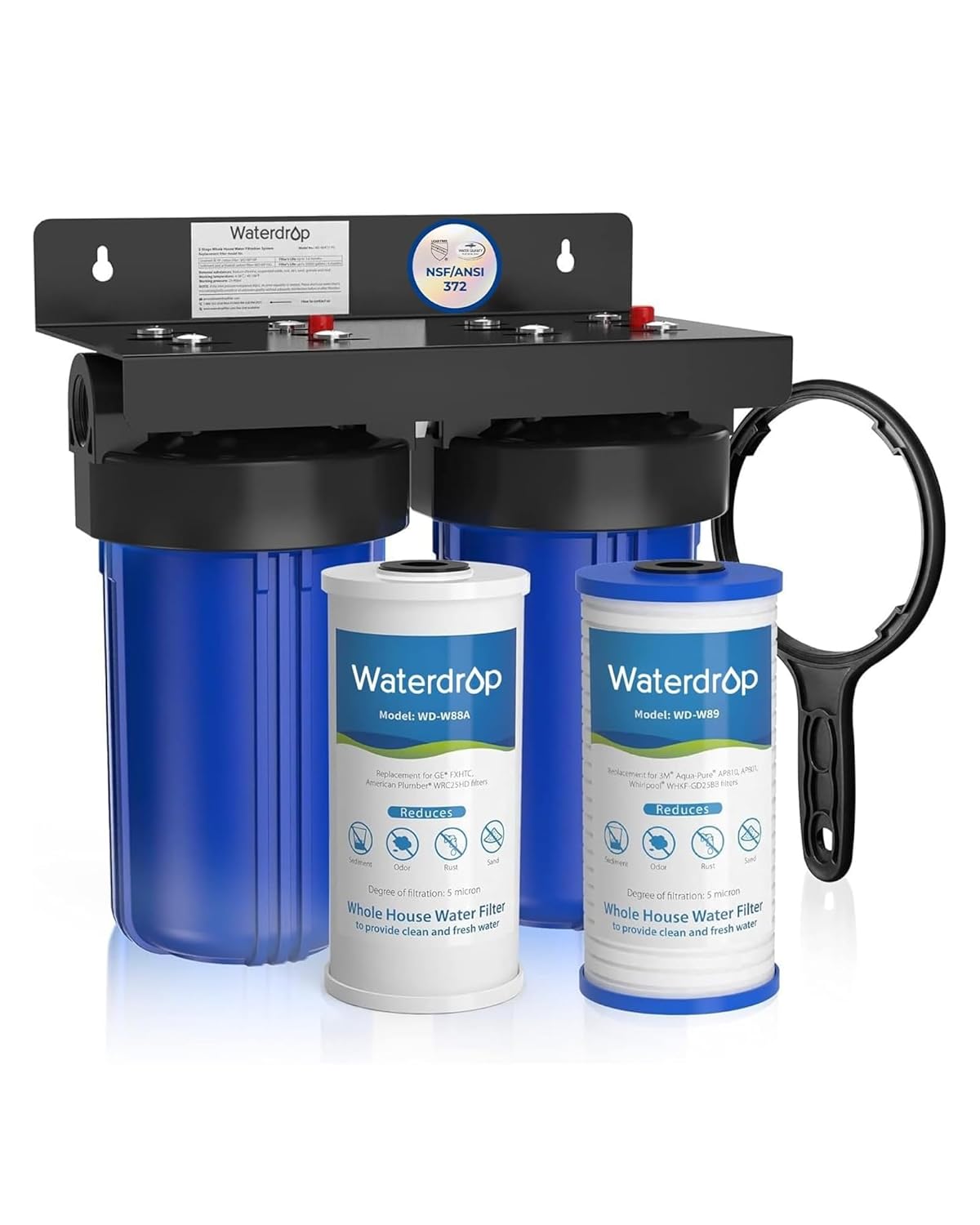
Sediment buildup that clogs toilets also damages appliances and fixtures throughout the home.
How to Fix the Problem Permanently
The correct fix depends on where flow is restricted:
- Replace aging shutoff valves
- Install new supply lines
- Address upstream sediment issues
What NOT to Do
- Do not drill out fill valves
- Do not oversize or modify components
- Do not ignore sediment warnings
Preventing Future Slow Refill Issues
- Use sediment filtration on the main supply
- Replace aging shutoff valves proactively
- Flush plumbing after service work
Final Takeaway
A slow-refilling toilet is not “just annoying” — it’s telling you water flow is being restricted somewhere in the system. Finding and fixing that restriction restores normal operation and prevents larger plumbing failures down the line.
Related Products