Why Your Well Pump Keeps Turning On and Off (Short Cycling Explained)
A well pump that constantly turns on and off — sometimes every few seconds — is not normal behavior. This problem is known as <B>short cycling</B>, and it is one of the fastest ways to burn out a pump motor.
Short cycling doesn’t just waste electricity. It causes excessive heat, mechanical wear, and electrical stress that can reduce a pump’s lifespan from decades to just a few years if left uncorrected.
The good news is that short cycling almost always has a clear cause. This guide walks through how a well system is supposed to operate, what actually causes short cycling, and how to diagnose and fix it without guessing.
How a Well Pump System Is Supposed to Work
A properly functioning well system maintains stable pressure by combining three key components:
- The pump: Moves water from the well into the plumbing system.
- The pressure tank: Stores pressurized water and prevents the pump from running constantly.
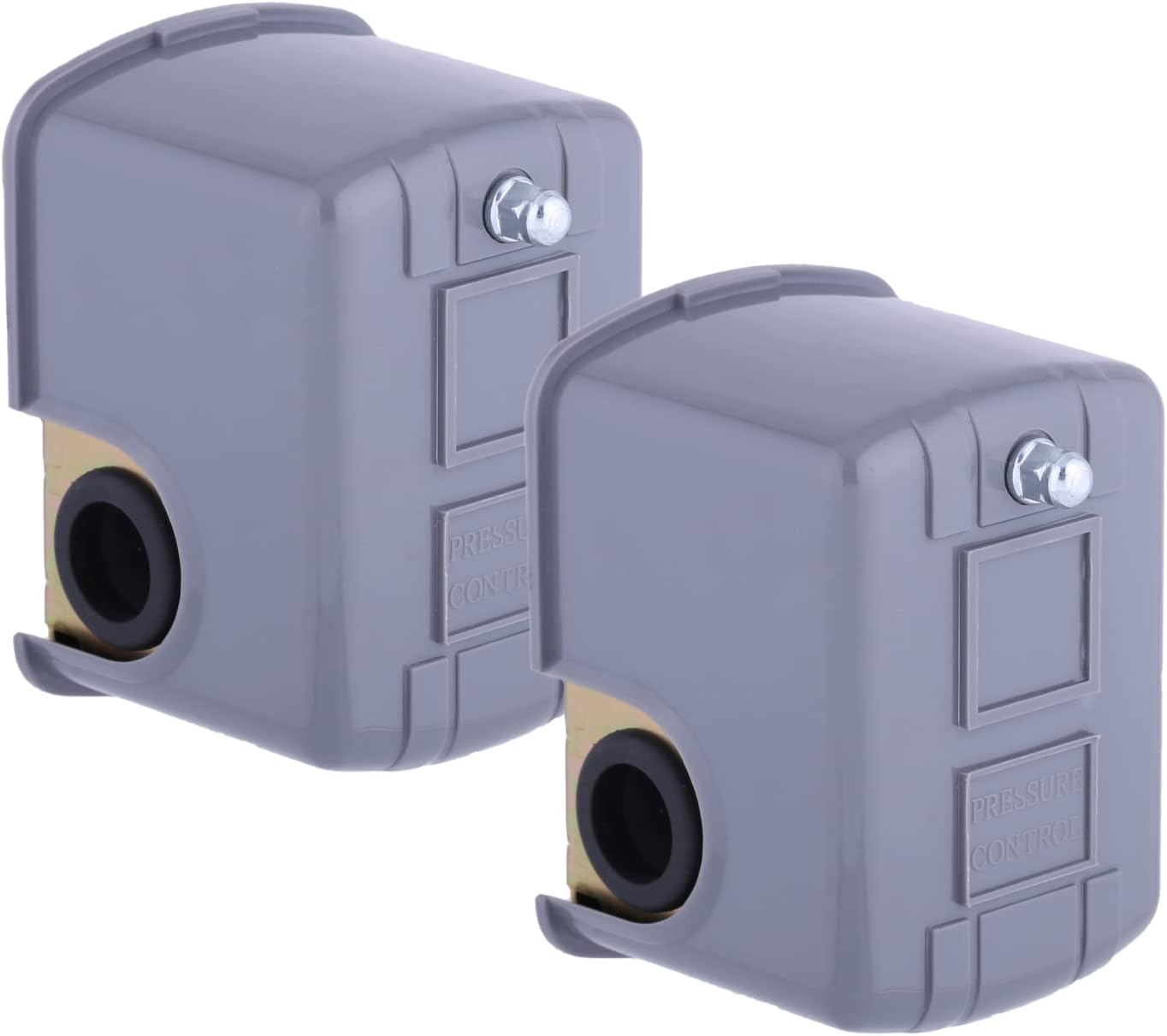
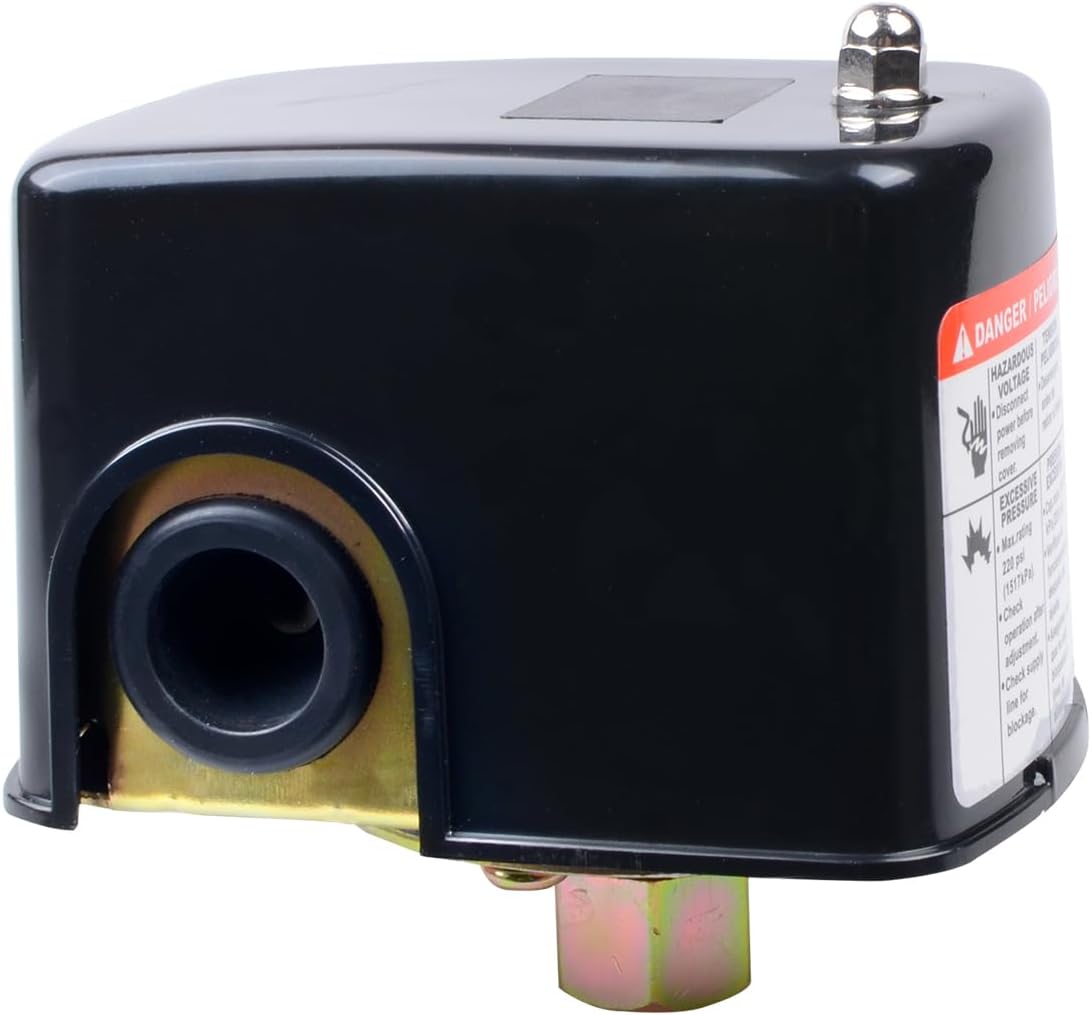
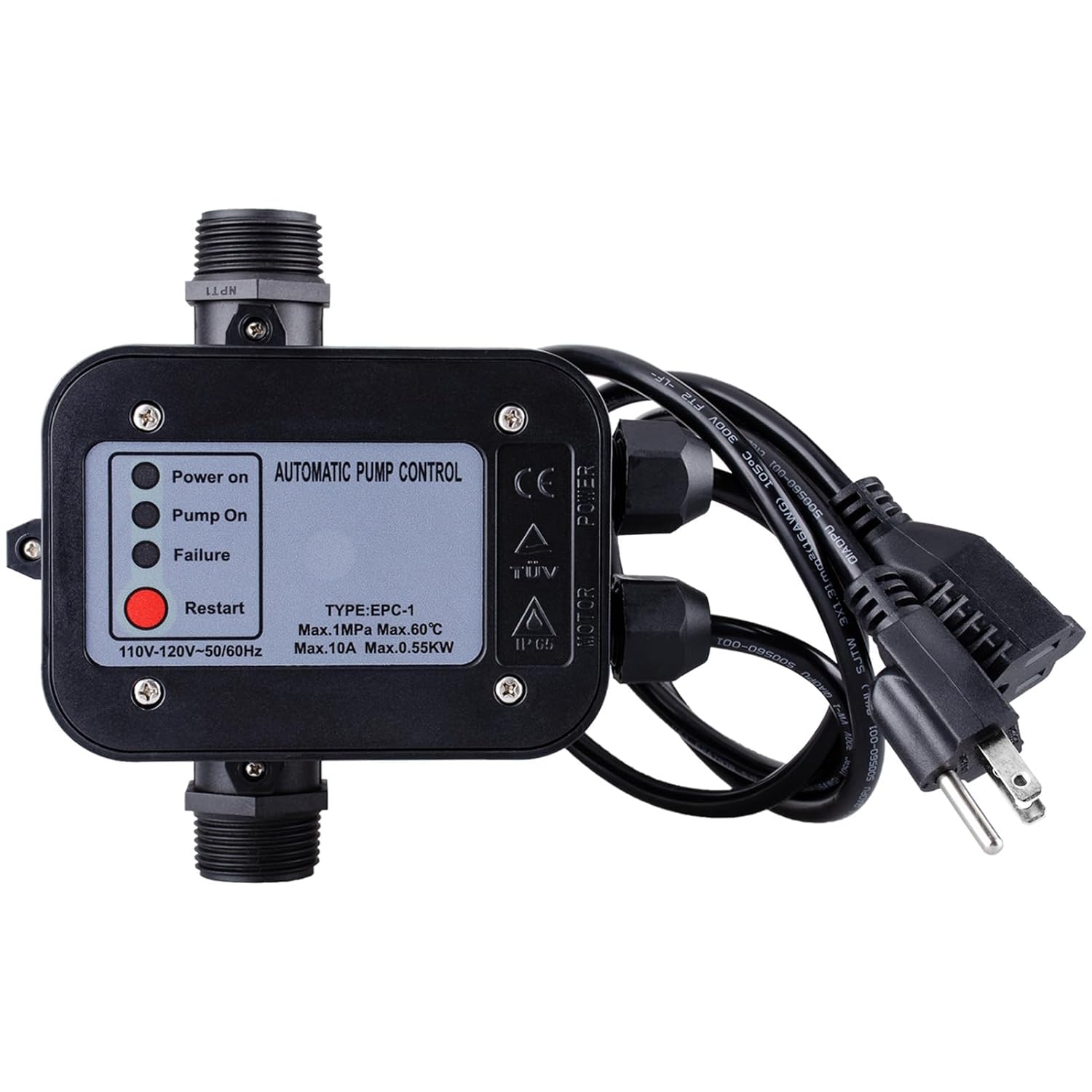
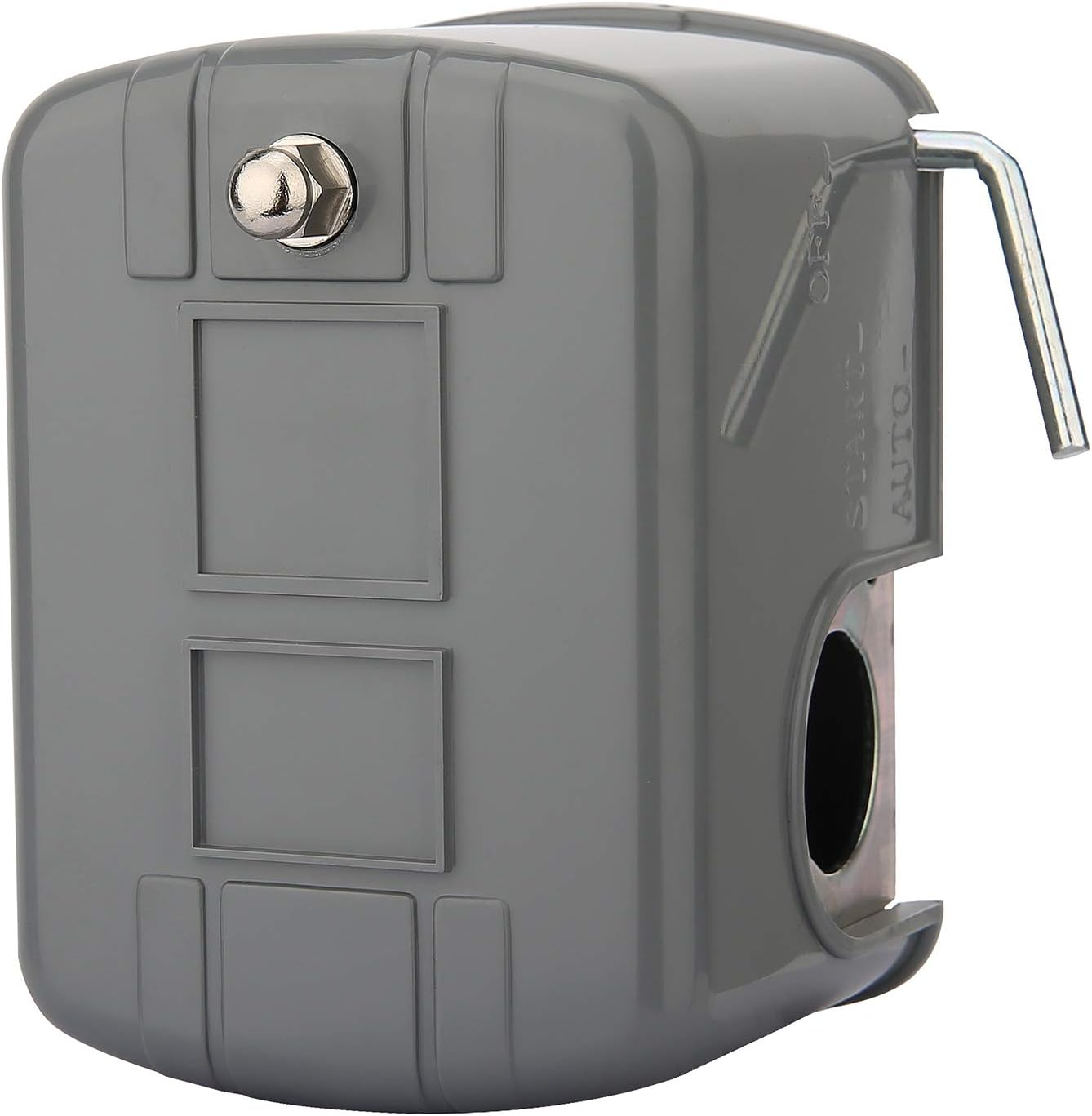
- The pressure switch: Turns the pump on and off at preset pressure levels.
Most residential systems use a pressure range such as <B>40/60 PSI</B> or <B>30/50 PSI</B>.
- The pump turns ON at the cut-in pressure (e.g., 40 PSI).
- The pump turns OFF at the cut-out pressure (e.g., 60 PSI).
When everything is working correctly, the pump runs for a reasonable amount of time, fills the pressure tank, and then stays off while water is used from the stored pressure.
Short cycling means that storage is no longer happening.
What Short Cycling Actually Looks Like
Common signs include:
- Pump turns on and off every few seconds
- Rapid clicking from the pressure switch
- Pressure gauge jumps quickly from low to high
- Lights dim briefly when water is used
If your pump behaves like this, stop troubleshooting slowly — every cycle causes wear.
The Real Causes of Short Cycling (Most Common First)
1. Waterlogged Pressure Tank (Failed Bladder)
This is the most common cause by far.
Modern pressure tanks use an internal rubber bladder or diaphragm to separate air from water. When that bladder fails, the tank fills completely with water and can no longer store pressure.
Without air cushioning, pressure rises instantly and drops instantly — forcing the pump to cycle rapidly.
2. Incorrect Air Charge in the Pressure Tank
Even if the bladder is intact, the air charge may be wrong.
The tank’s air pressure (with the pump off and system drained) should be set to:
2 PSI below the pressure switch cut-in setting.An incorrect air charge drastically reduces usable storage volume.
3. Undersized Pressure Tank
If the tank is too small for household demand, it fills and empties too quickly.
This is common when:
- A tank was replaced with a cheaper, smaller model
- Water usage increased (additional bathrooms, irrigation)
4. Leaks in the Plumbing System
Leaks downstream of the tank prevent pressure from stabilizing.
Even a small continuous leak can cause repeated pump starts.
5. Faulty Pressure Switch
Pressure switches can clog with sediment or fail mechanically, causing erratic readings and rapid cycling.
Step-by-Step Diagnosis (Do This Exactly)
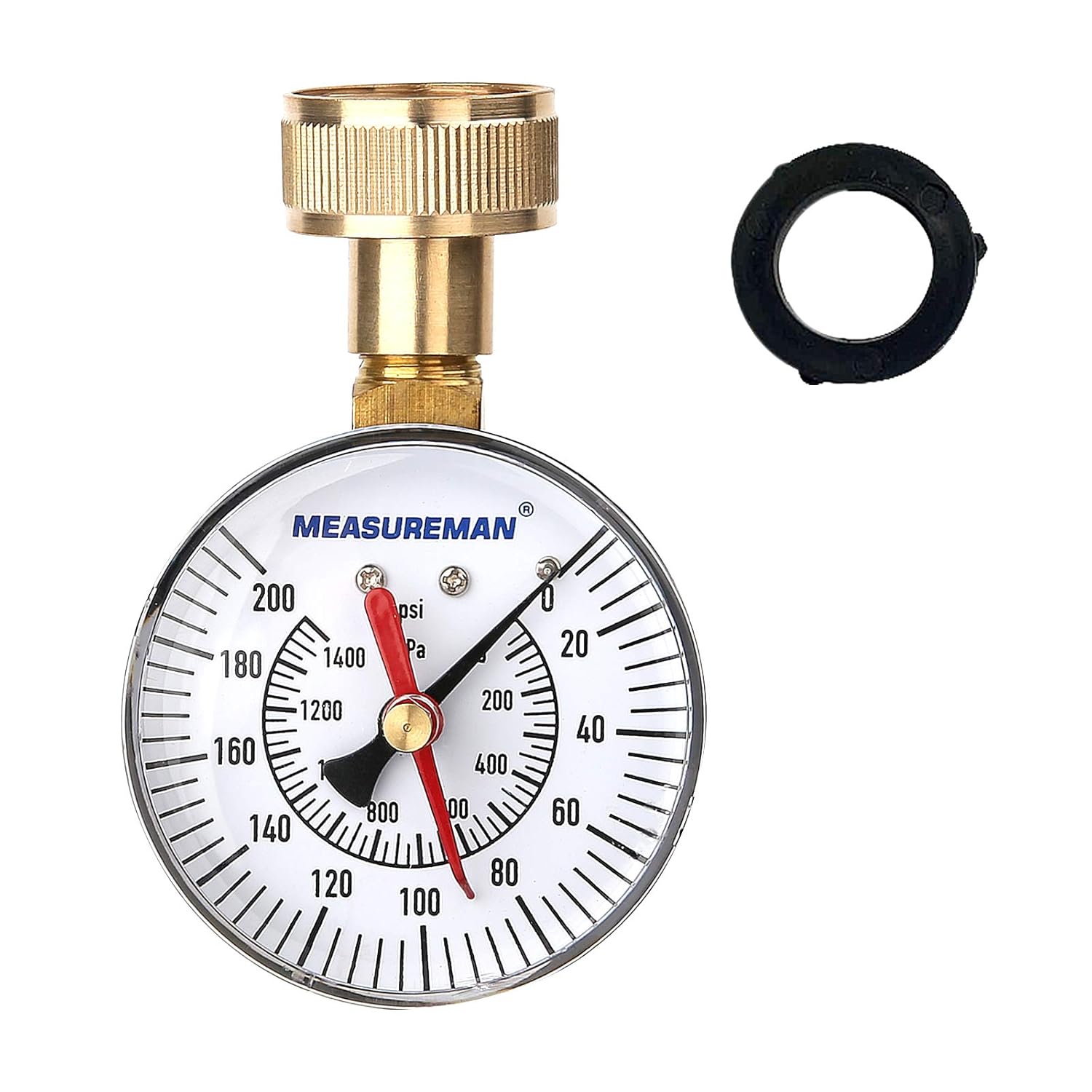
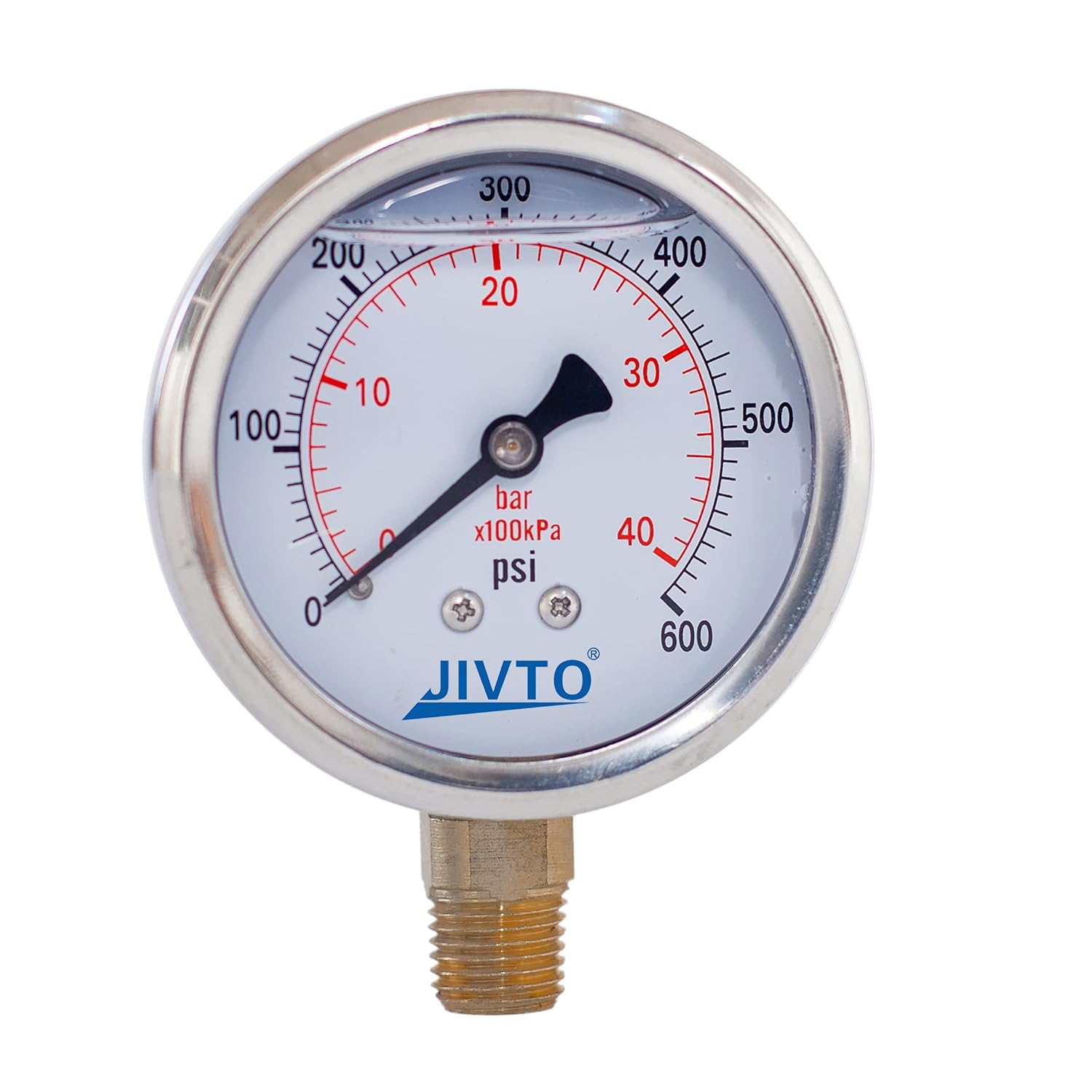
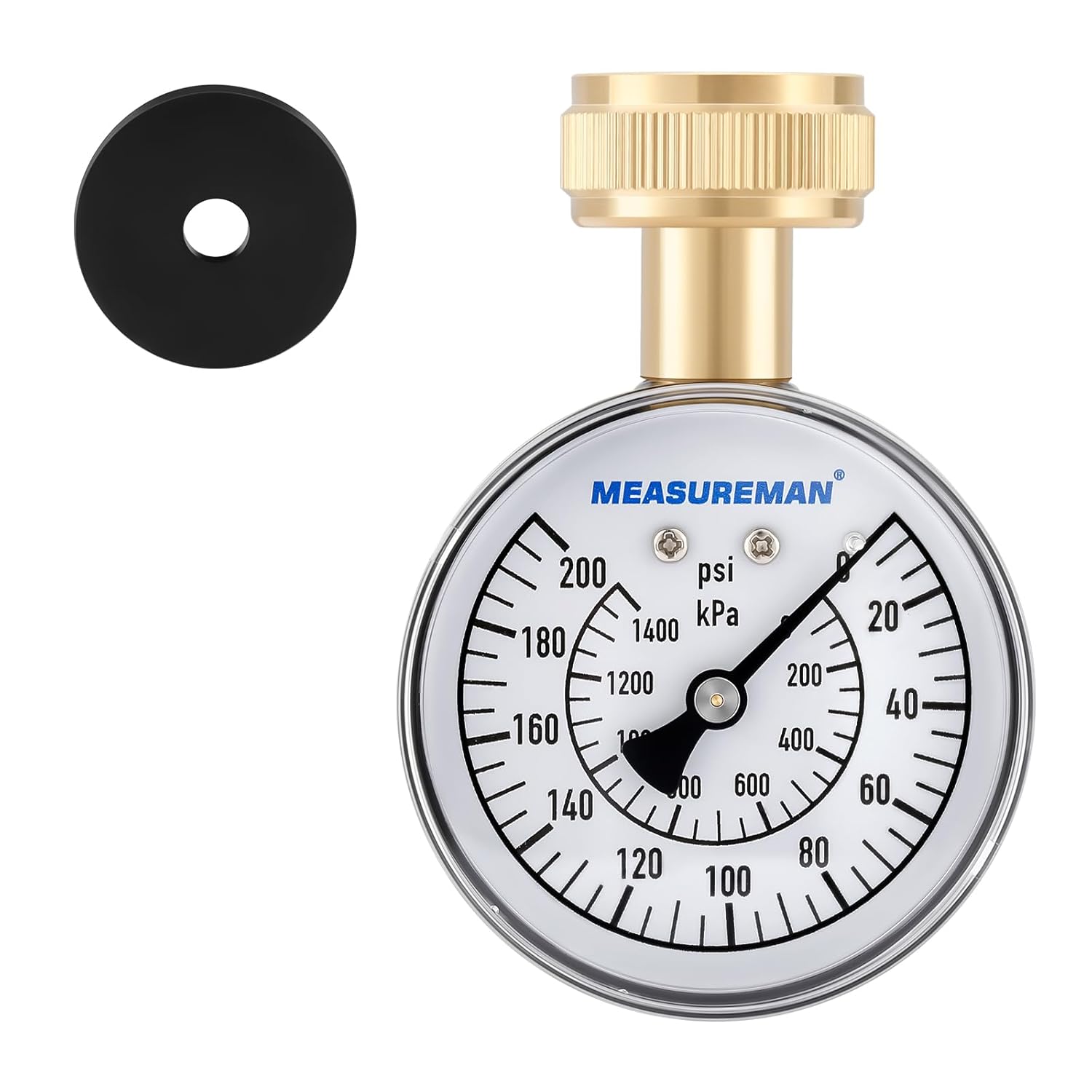
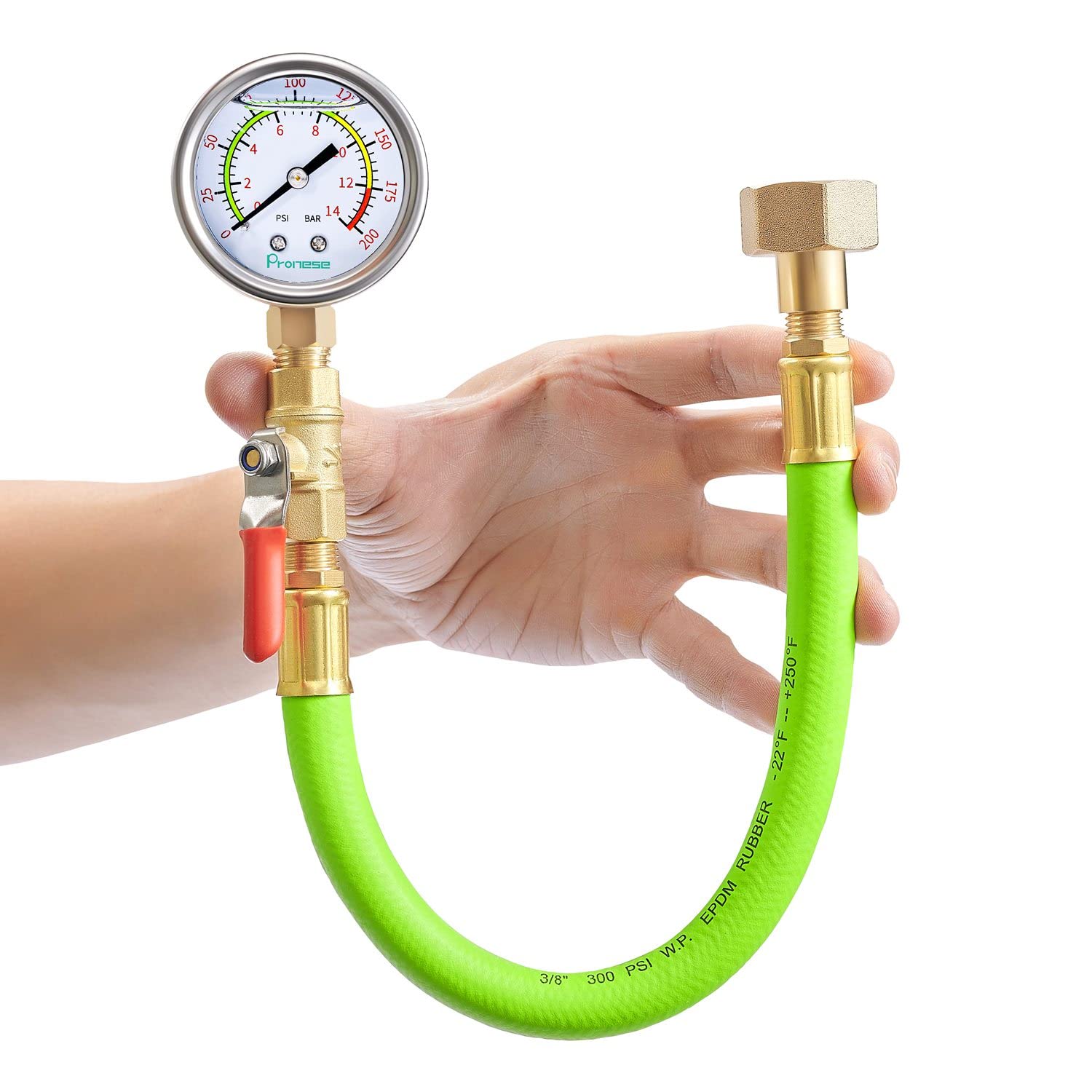
Step 1: Watch the Pressure Gauge
Open a faucet and observe the gauge:
- Pressure drops rapidly → tank issue
- Pressure spikes quickly → no usable air volume
Step 2: Power Off the Pump
Turn off the breaker to the well pump. This is critical before touching any components.
Step 3: Drain the System
Open a faucet and drain all pressure from the system.
Step 4: Check Tank Air Pressure
Use a tire pressure gauge on the tank’s air valve.
- No air or water comes out → bladder failure
- Air pressure incorrect → adjust
Step 5: Inspect for Leaks
Check visible piping, fixtures, and toilets for continuous flow.
How to Fix Well Pump Short Cycling
Re-Pressurizing the Pressure Tank
If the bladder is intact:
- Set air pressure to 2 PSI below cut-in
- Restore power and test
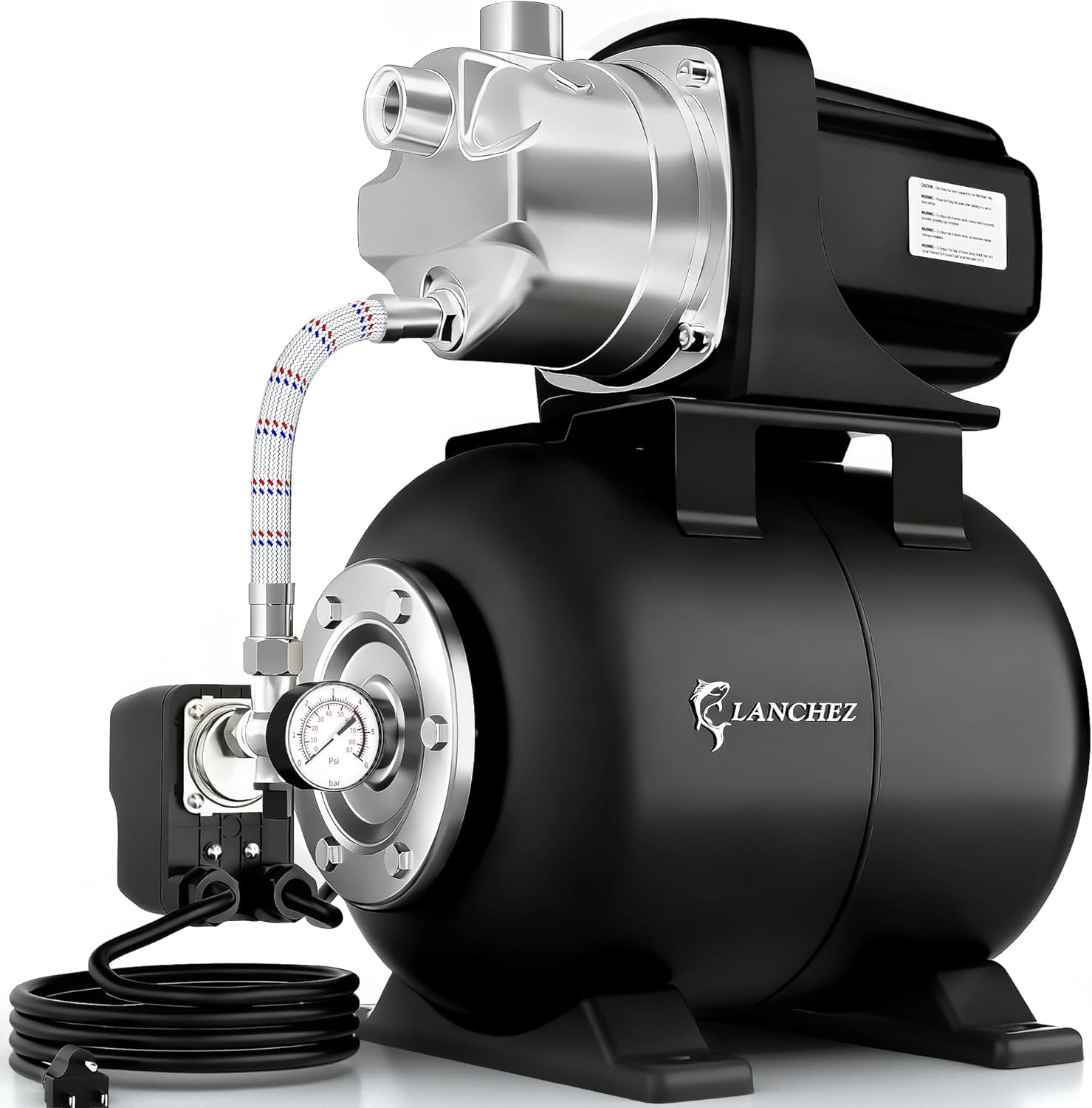
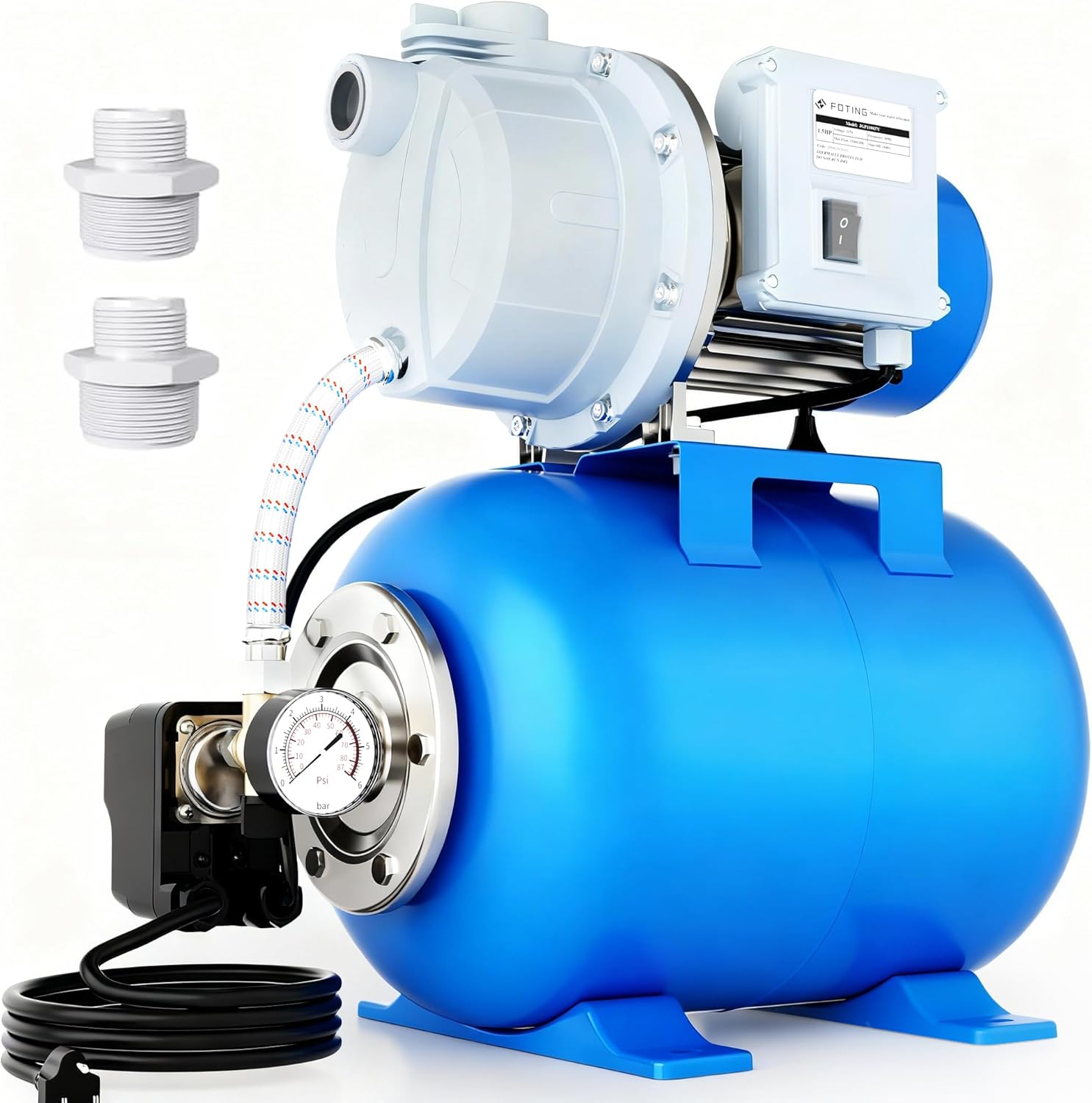
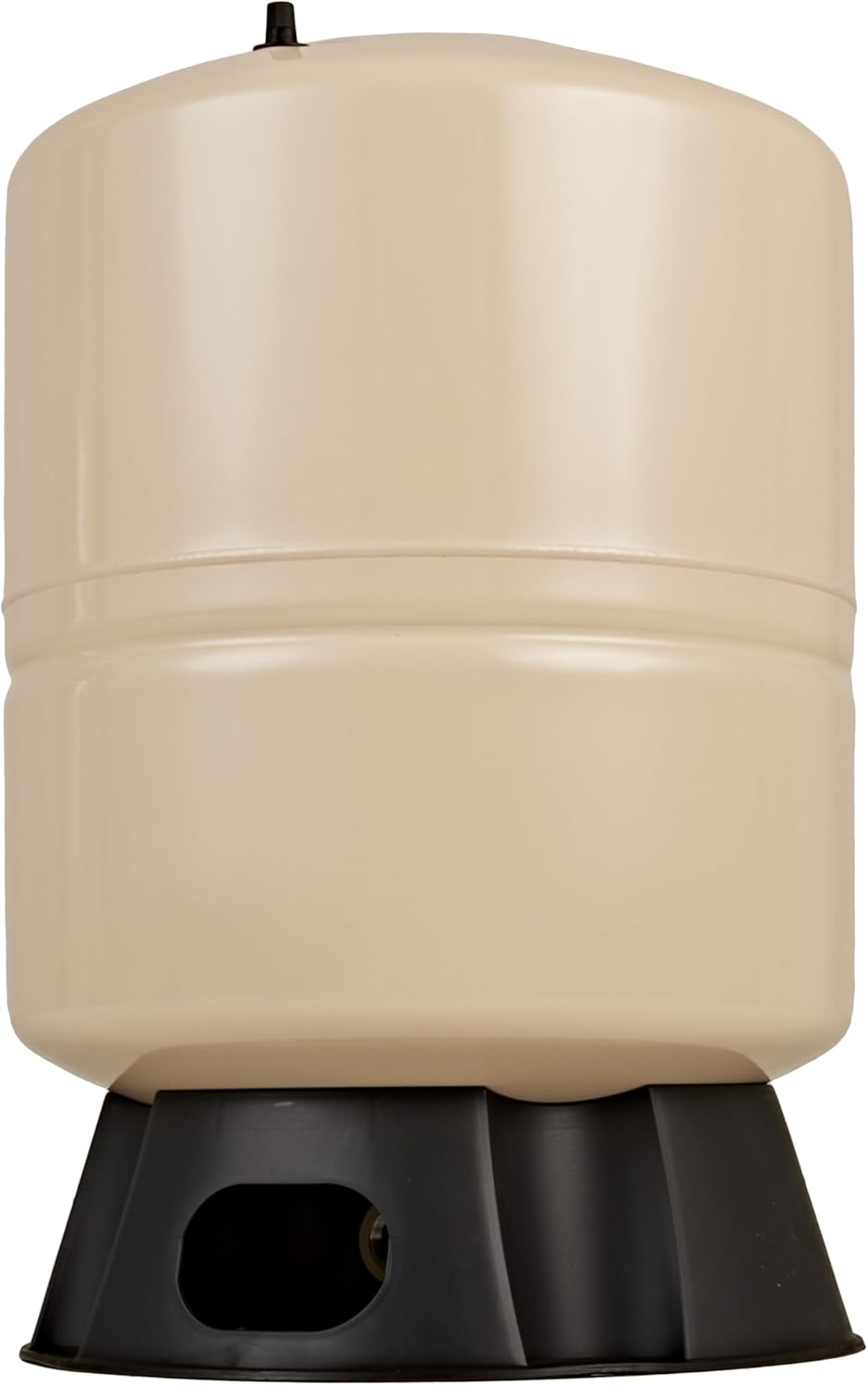
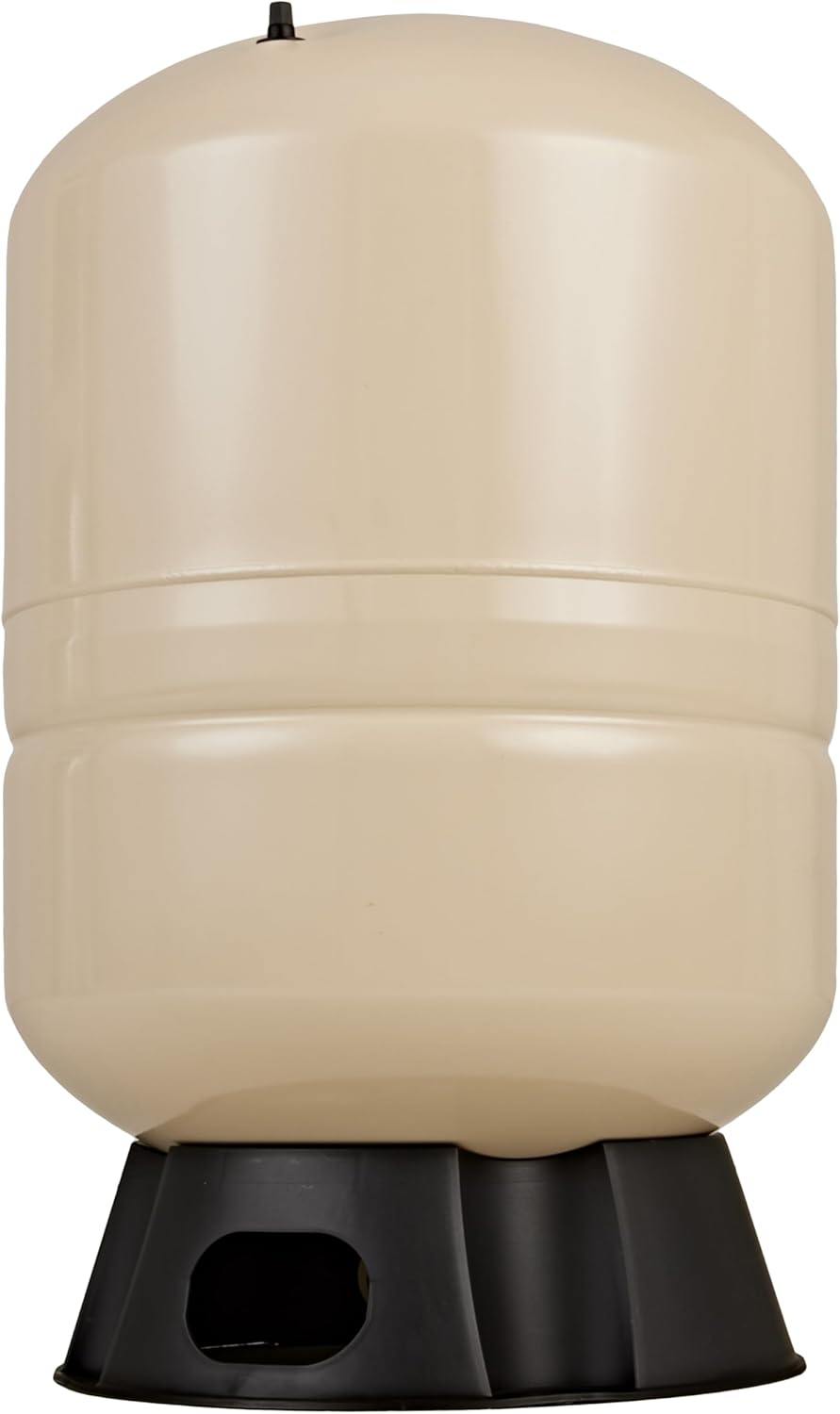
Replacing a Failed Pressure Tank
If the bladder has failed, replacement is the only solution.
Installing a correctly sized tank dramatically improves pump lifespan.
Repairing Leaks
Fix any continuous leaks before replacing components. Otherwise, the problem will return.
Replacing the Pressure Switch
Sediment-clogged or erratic switches should be replaced, not cleaned.
When NOT to DIY
Call a professional if:
- The pump runs dry
- The well is shallow and easily dewatered
- Electrical wiring is damaged
- The pump is cycling without any water usage
Long-Term Prevention
- Use a properly sized pressure tank
- Check tank air charge annually
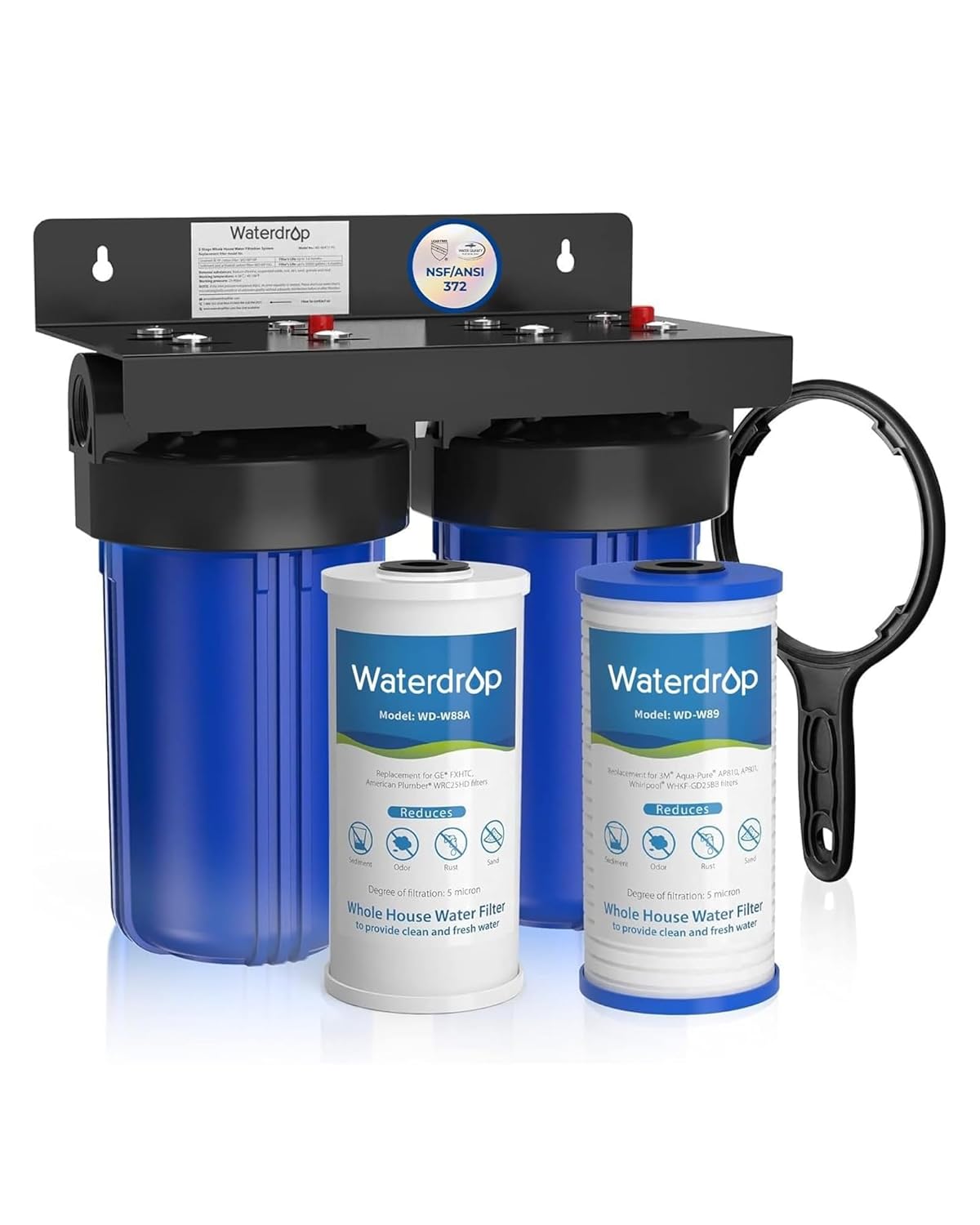
- Install sediment filtration
- Avoid excessive cycling during irrigation
Final Thoughts
Short cycling is not a minor annoyance — it is a system failure that must be corrected quickly. Fortunately, the cause is usually the pressure tank, and fixing it properly can add years or decades to your pump’s life.
Related Products